


 Français
 2025.03.03
The Benefits of Energy Storage: Battery Technology Explained
Content
Energy storage, powered by advanced battery systems, has become essential to the global energy transition. It turns intermittent solar and wind power into stable electricity, strengthens grid reliability, and supports worldwide decarbonization. In 2026, lithium-based technologies continue to lead, with rapid improvements in safety, cost, and performance across residential, commercial, and utility applications.
Key Battery Technologies
- LFP (Lithium Iron Phosphate): The most widely used battery type, offering high safety, long cycle life, and lower costs. It is the preferred choice for most home and grid-scale storage projects.
- NMC: Higher energy density in a smaller size, commonly used in compact or mobile applications.
- Flow Batteries: Ideal for long-duration energy storage, with long lifespans and strong safety performance.
- Sodium-Ion: A low-cost, resource-friendly alternative gaining popularity for cost-sensitive markets.
Major Benefits of Energy Storage
Stabilizes Renewable Energy
Solar and wind power depend on weather conditions. Energy storage stores surplus clean electricity and releases it when needed, greatly improving the efficiency of renewable energy and reducing waste. For homes, solar-plus-storage systems increase self-consumption and lower electricity bills significantly.
Improves Grid Reliability
Battery systems provide fast grid support, including peak shaving, frequency regulation, and voltage control. They also act as backup power during outages, ensuring continuity for homes, businesses, and critical facilities.
Delivers Strong Economic Value
Battery costs have dropped sharply in recent years, making storage more affordable than ever. Peak-valley price arbitrage, government incentives, and long service life help users achieve strong returns on investment within years.
Supports Carbon Reduction
By replacing fossil-fuel peaker plants and reducing energy waste, energy storage directly cuts carbon emissions. Recyclable battery materials also support a more sustainable, low-carbon energy ecosystem.
Trends in 2026
Grid-forming storage is becoming standard for high-renewable power systems. Four-hour storage dominates utility projects, while long-duration solutions continue to expand. LFP and sodium-ion batteries keep improving in energy density and cost efficiency, driving wider global adoption.
Conclusion
Energy storage is no longer an optional extra — it is a core part of the modern energy system. From household backup power to grid-scale stability, advanced batteries deliver clear environmental and economic benefits. As technology advances and costs decline, energy storage will remain a key driver of the global clean energy future.
Recommended Products
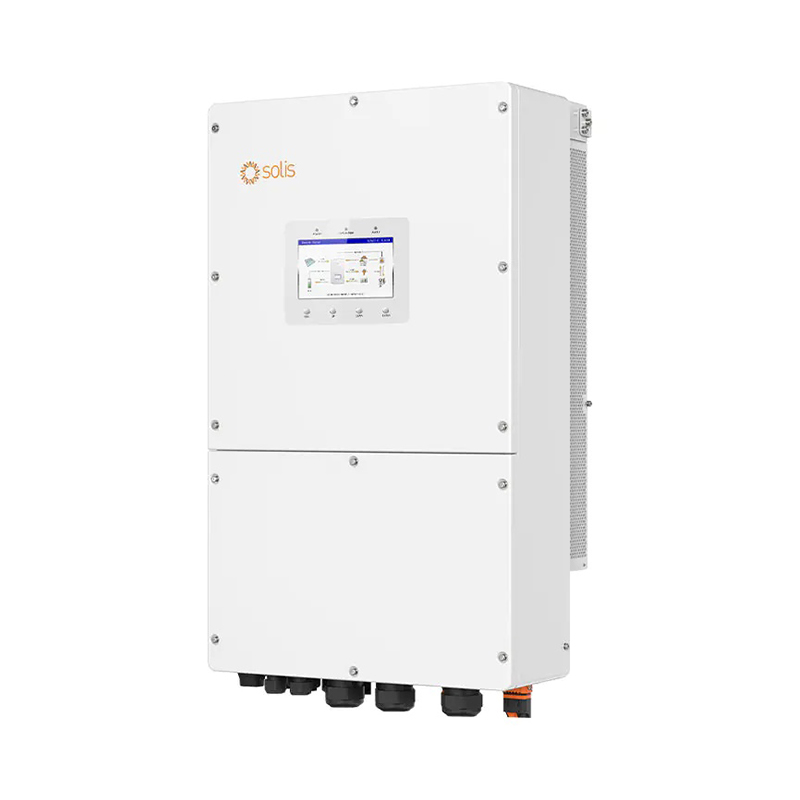
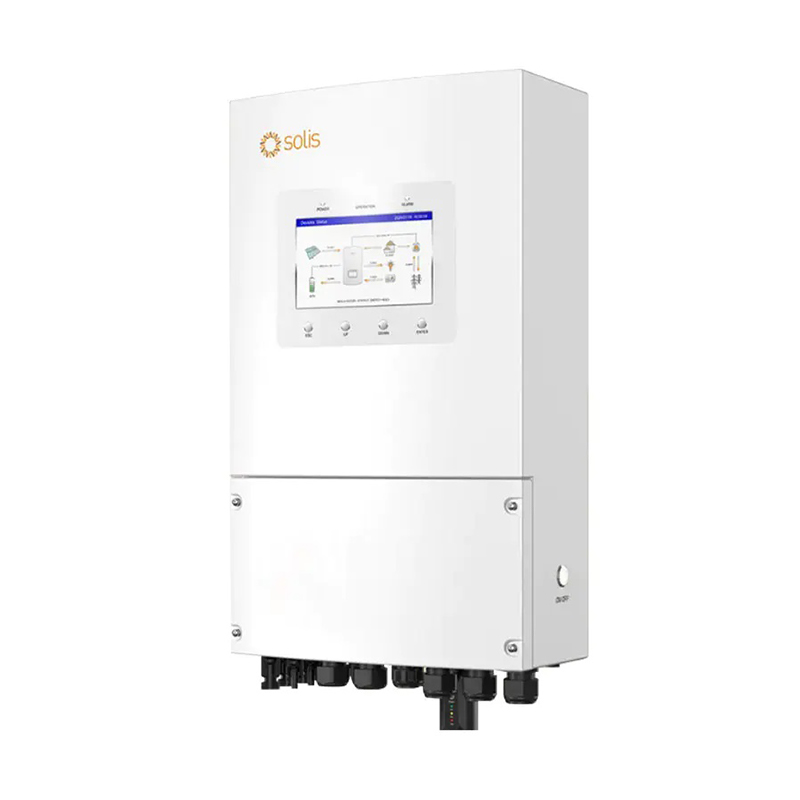
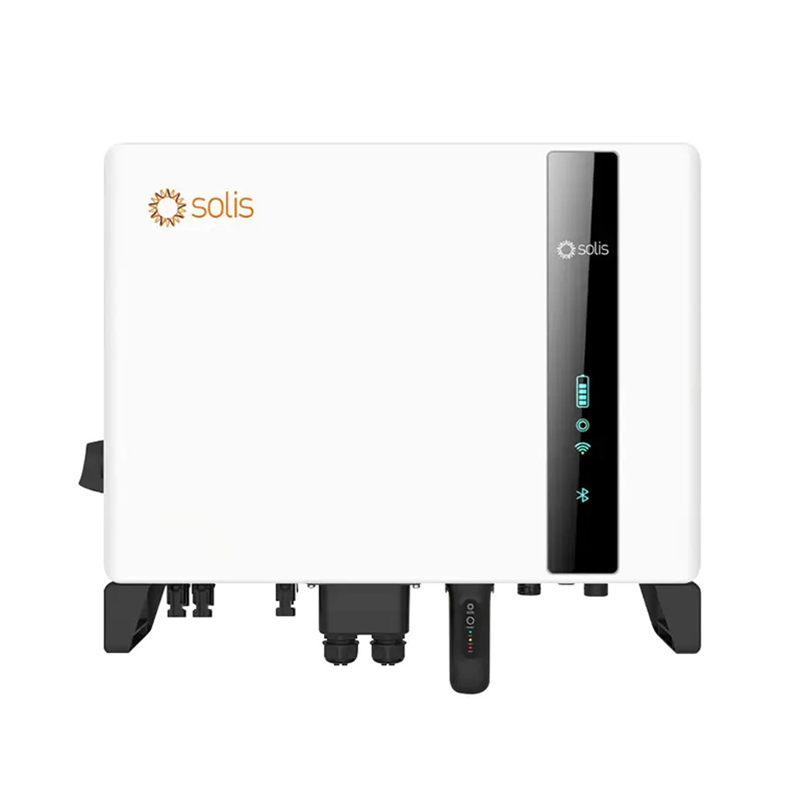
We select the most popular photovoltaic and energy storage products on the market, guaranteeing quality and offering immediate supply.







7+ Overseas Warehouses
3+ Branch Offices
1+ Factory
3+ Branch Offices
1+ Factory
Get in Touch
Your email address will not be published.
Required fields are marked
Required fields are marked

> Your Trusted Global Supply Platform for Solar Energy Storage Products <

Copyright @ Hangzhou Seetek New Energy Sci-tech Co., LtD. All rights reserved Solar Energy Storage Solution Solar Energy Storage Products Supplier
