

 Français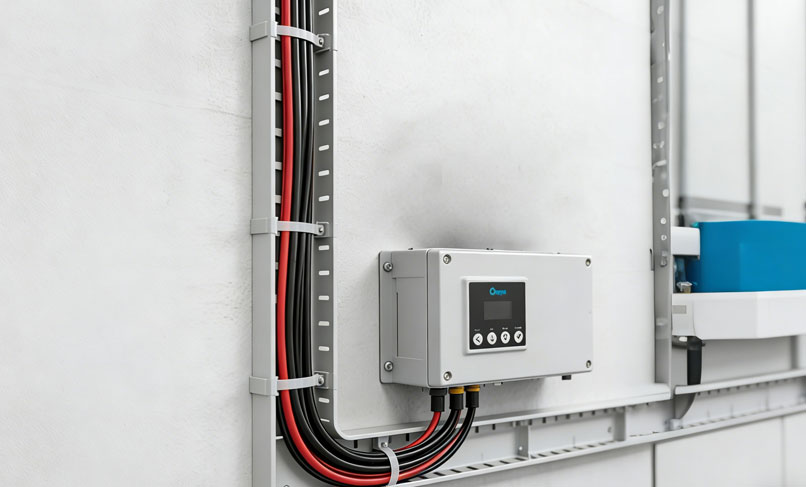

Industry Knowledge
Beyond Panels and Inverters: Why BOS Components Matter
A solar system is more than its two headline components. Between the panels on the roof and the inverter on the wall sits an entire layer of hardware — mounting structures, DC cabling, protection devices, connectors and monitoring equipment — collectively called the Balance of System, or BOS. These components don't generate or convert power, but they determine whether the system is safe, code-compliant, long-lasting and easy to maintain.
BOS components are also where specification shortcuts tend to show up later as problems. Undersized DC cables cause resistive losses that quietly reduce system output year after year. A mounting system not rated for local wind or snow loads becomes a liability. Connectors that don't match the panel's junction box standard create compatibility and warranty issues from day one.
Getting BOS right is as important as choosing the right panel or inverter — and sourcing it alongside the main equipment, rather than as an afterthought, is the most reliable way to ensure everything arrives compatible and project-ready.
The Deye Smart Ecosystem: How CT, Logger and Switch Work Together
Deye's smart accessories aren't standalone gadgets — they form a connected layer that sits on top of the inverter and gives it real-time awareness of what's happening in the home and on the grid. The Wireless CT (SUN-SMART-CT01) is the starting point: a current transformer that clamps onto the grid connection cable and continuously measures how much power is flowing in or out, without interrupting the circuit. This data feeds directly to the inverter, telling it whether the household is importing from or exporting to the grid at any given moment.
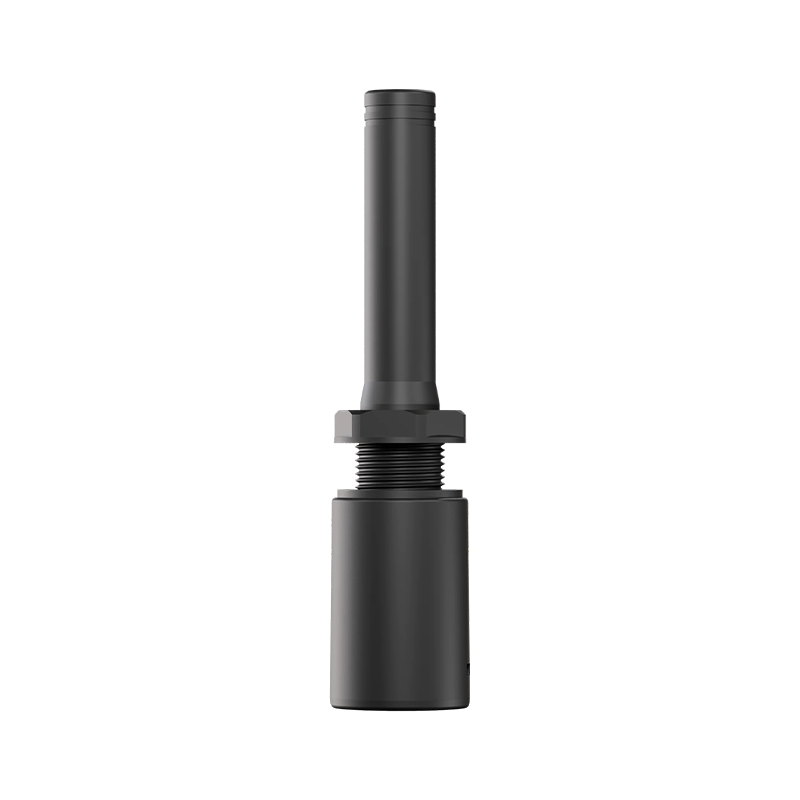
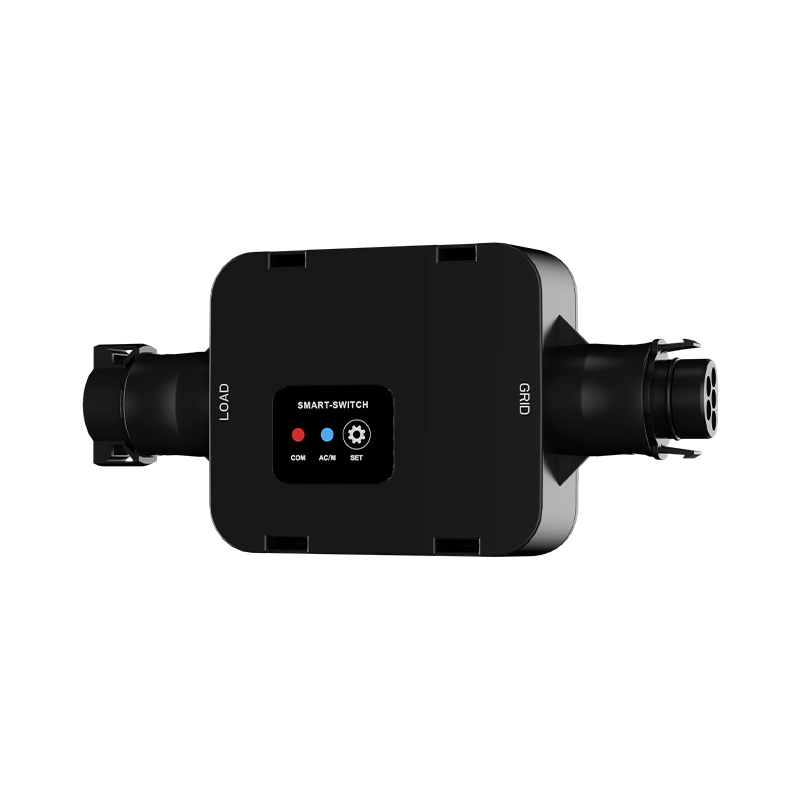
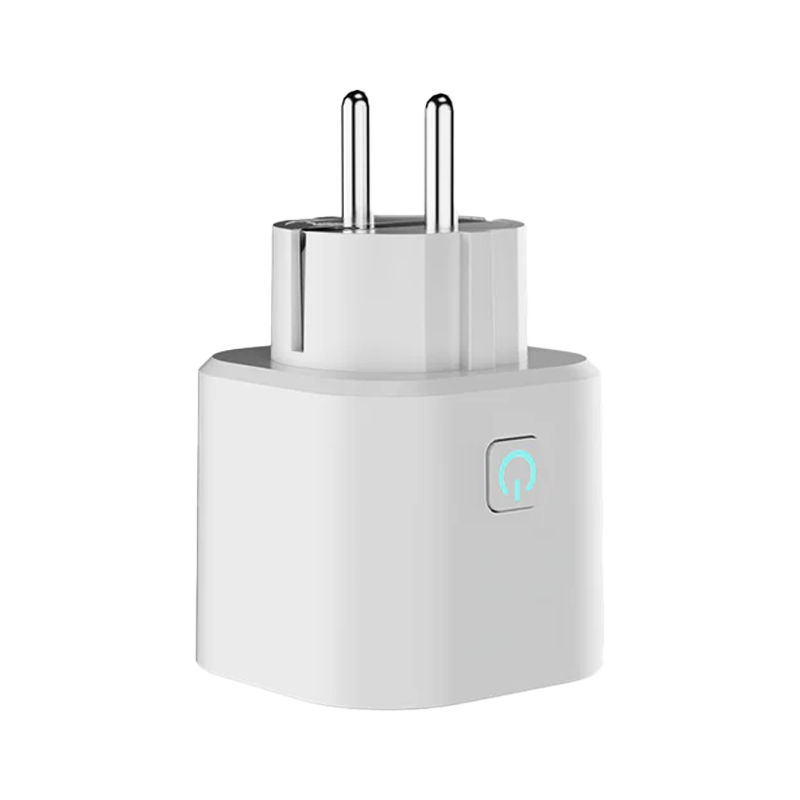
The Smart Transmitter (SUN-SMART-TX01) relays this and other system data wirelessly, removing the need for additional signal wiring between components. From there, the Smart Switch (SUN-SMART-SWITCH01P3) and Smart Plug (SUN-SMART-PLUG01P1-F) give the inverter the ability to act on what it knows — automatically turning loads on when solar surplus is available, or off when the battery needs to be protected. Together, these four devices close the loop between measurement and response, turning a standard solar installation into one that actively manages its own energy use.
Stick Logger Explained: How Remote Monitoring Works for Deye Systems
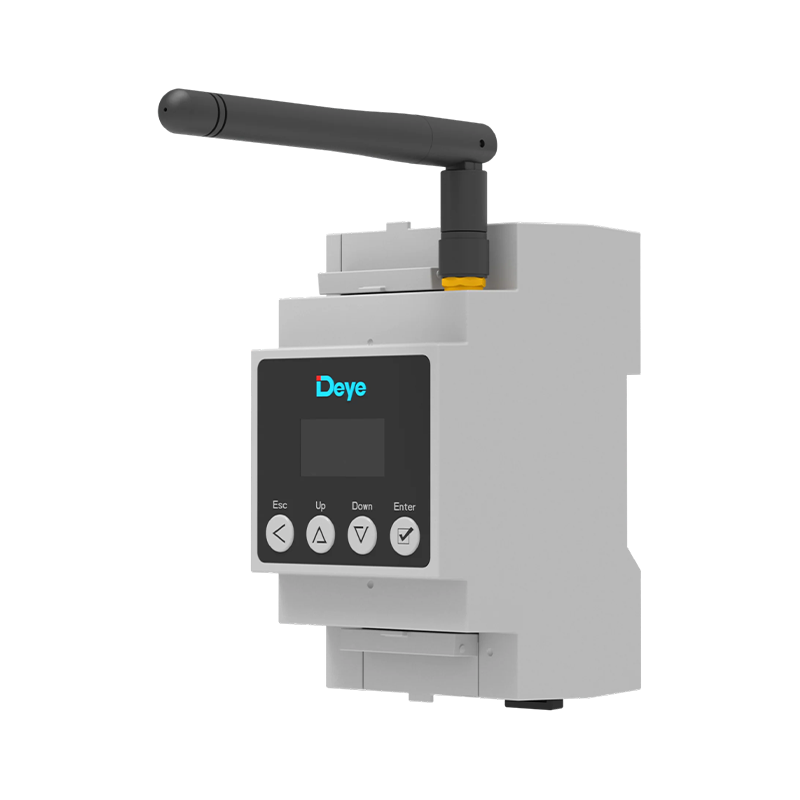
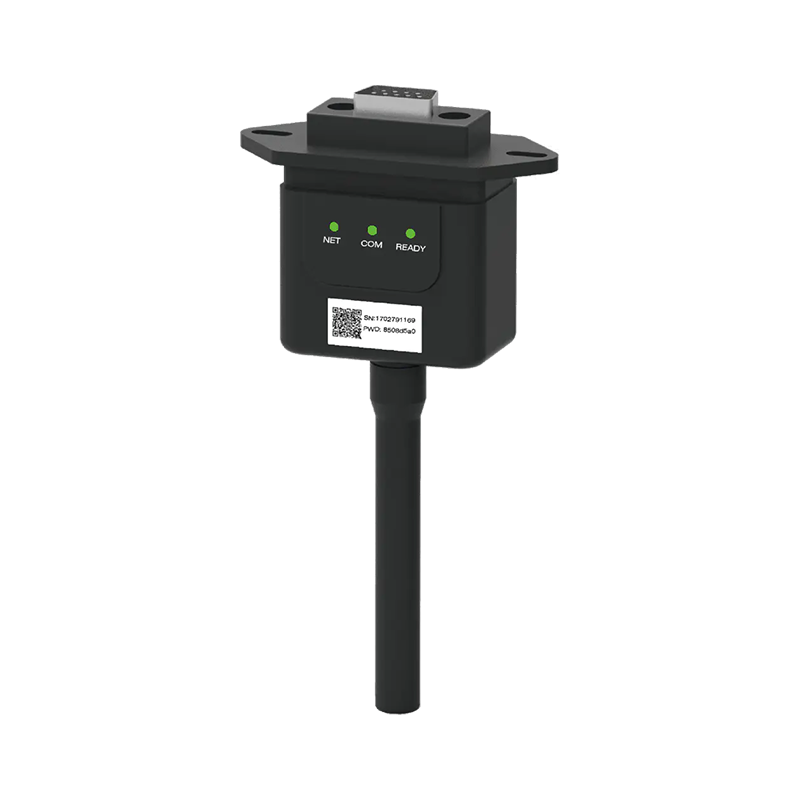
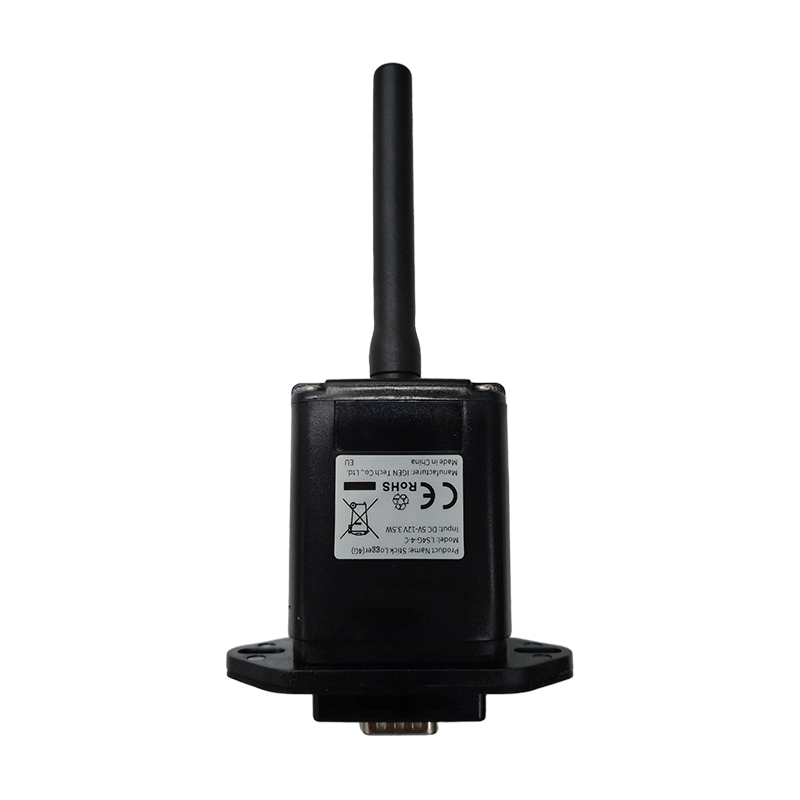
The Deye Stick Logger is a small data device that plugs directly into the inverter's communication port and connects the system to Deye's cloud monitoring platform via Wi-Fi or 4G, depending on the model. Once connected, it streams real-time performance data — current power output, battery state of charge, grid import and export, daily and lifetime energy generation — to the SolarmanPV app or web dashboard, accessible from anywhere.
The LSE-3 covers standard Wi-Fi environments, while the LS4G-4-C adds a 4G cellular connection for sites without reliable local Wi-Fi — remote properties, agricultural buildings or installations where running a network cable to the inverter isn't practical. Both models support fault alerts, which notify the system owner or installer when the inverter reports an error, making it possible to identify and respond to issues without a physical site visit.
For installers managing multiple sites, remote monitoring via Stick Logger substantially reduces the overhead of post-installation support — most performance questions and minor faults can be diagnosed remotely before any truck roll is needed.
Solar-Powered EV Charging: How the Deye Smart Wallbox Fits into a Home Energy System
An EV charger and a solar system are a natural combination — a car that sits in the driveway during the day is effectively a large battery waiting to be charged with free solar energy. The challenge is coordination: without communication between the charger and the inverter, the charger simply draws at full power regardless of how much solar is available, potentially pulling from the grid instead of from the panels.
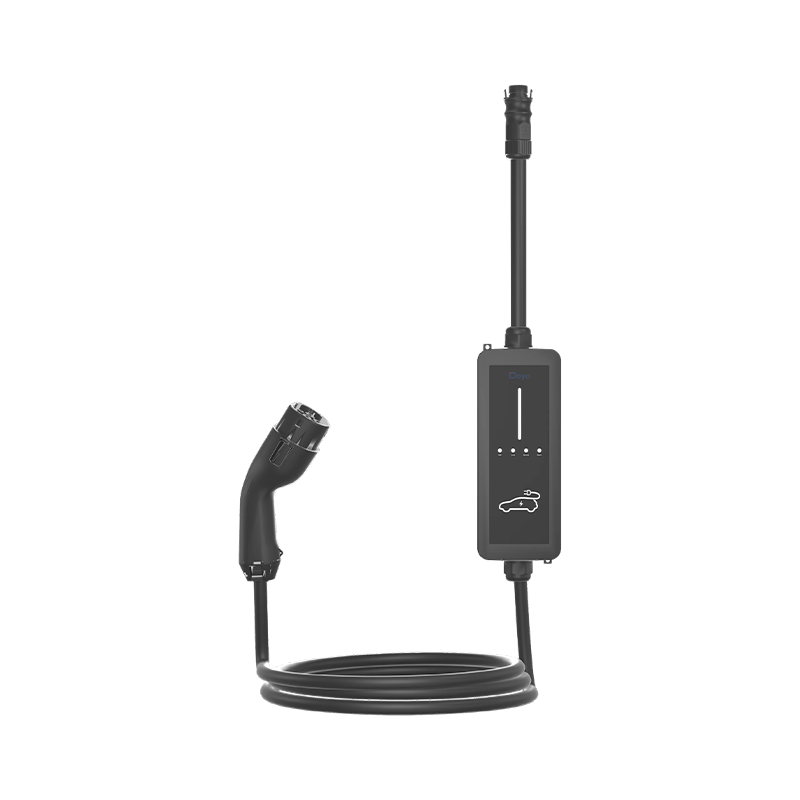
The Deye Smart Wallbox (SUN-EVSE22K01-EU-AC) resolves this by integrating directly with the Deye inverter ecosystem. It can dynamically adjust its charging rate based on real-time solar surplus — ramping up when excess generation is available, throttling back when the house load or battery needs priority, and pausing if the system switches to backup mode during a grid outage. This solar-first charging logic means a larger proportion of the energy going into the car comes from the roof rather than the grid.
At up to 22kW AC output, the Smart Wallbox also covers faster charging needs for households with higher-capacity EVs, while remaining fully compatible with the standard Type 2 charging interface used across most European markets. If you're planning a solar-plus-EV setup and want to understand how the Wallbox integrates with a specific Deye inverter model, SEETEK can help confirm compatibility and configuration.