


 Français

Industry Knowledge
TOPCon vs PERC: What the Cell Technology in Your Solar PV Module Actually Means
PERC (Passivated Emitter and Rear Cell) was the dominant solar cell technology for most of the past decade, and it remains widely used today. It works by adding a reflective layer to the rear of the cell to capture light that would otherwise pass through, improving efficiency over standard cells. Most PERC panels settle in the 20–22% efficiency range, making them a reliable and cost-effective choice for mainstream residential and commercial projects.
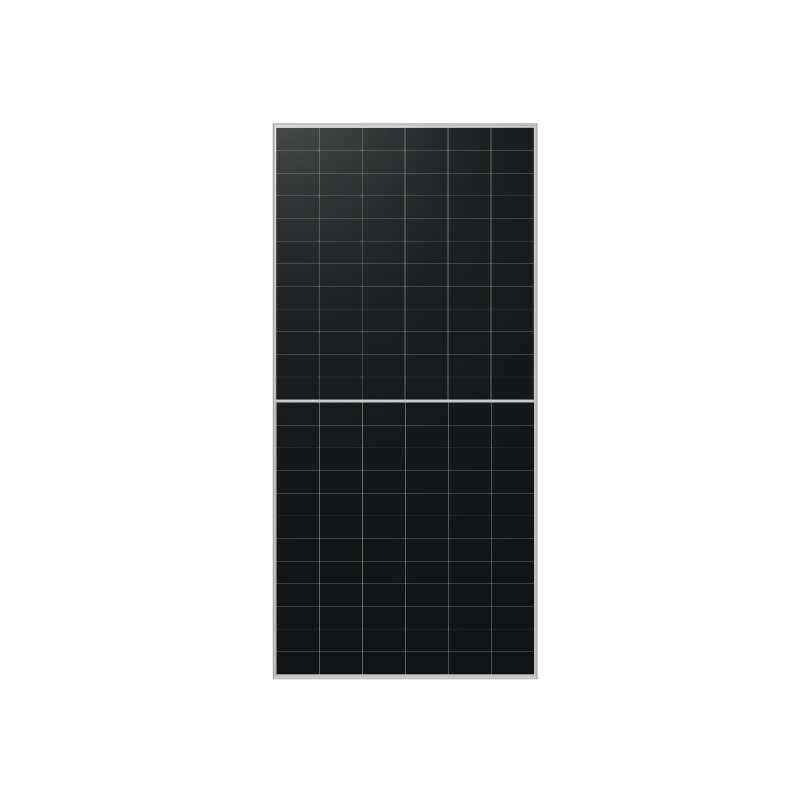
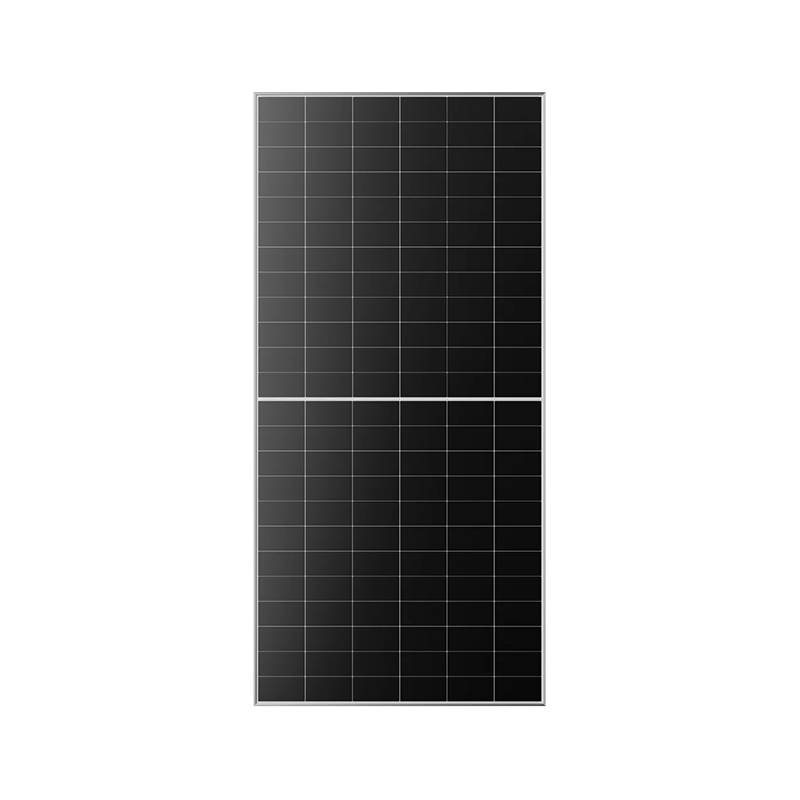
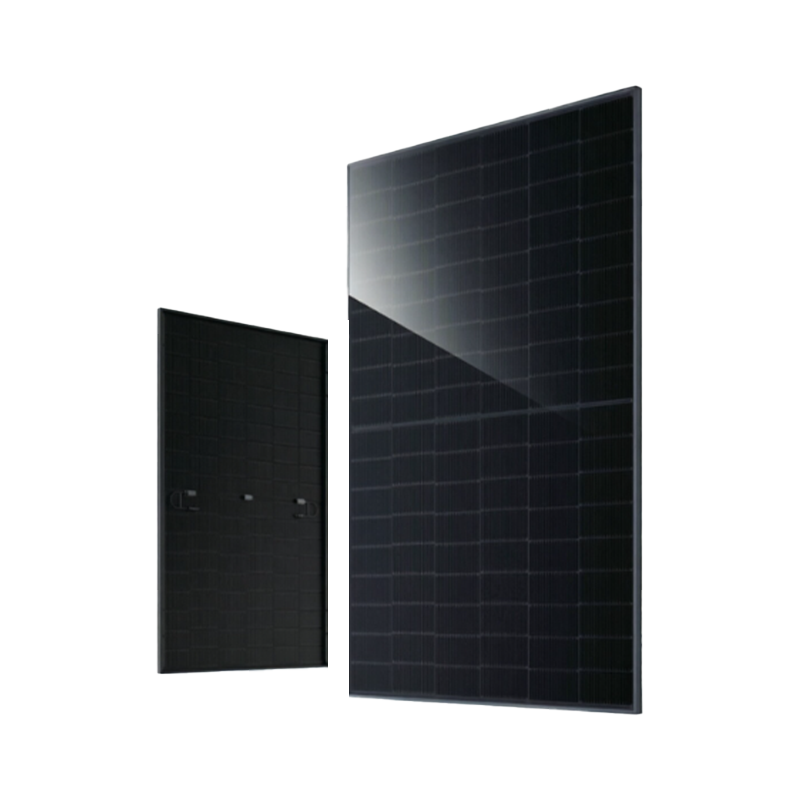
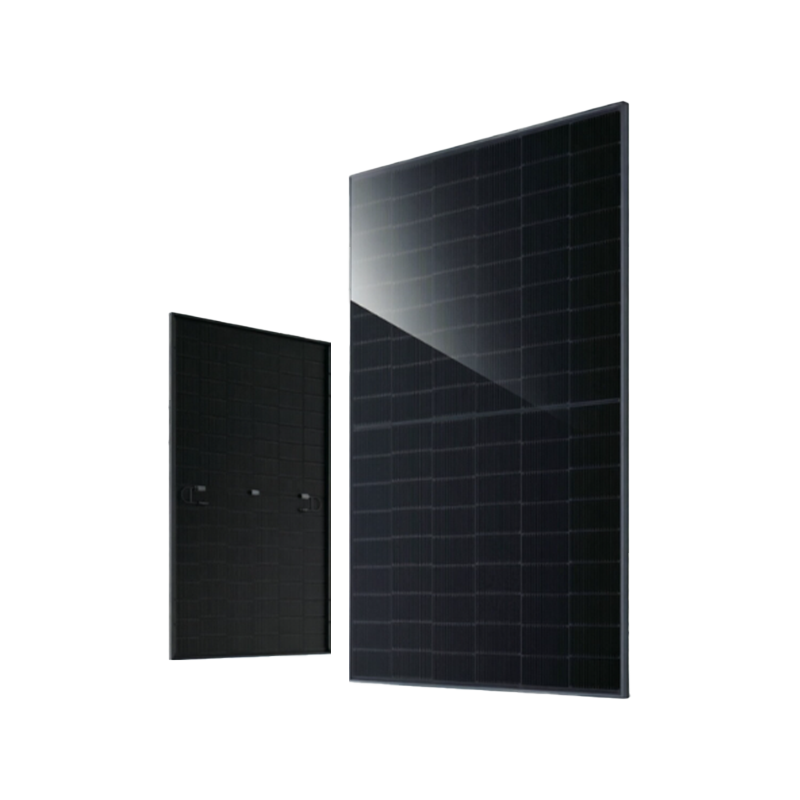
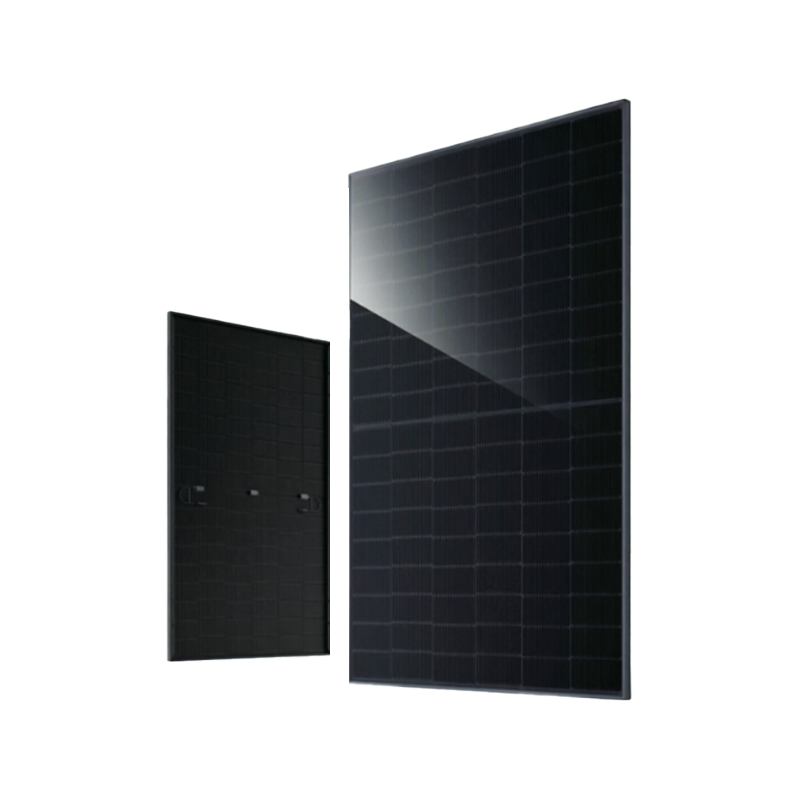
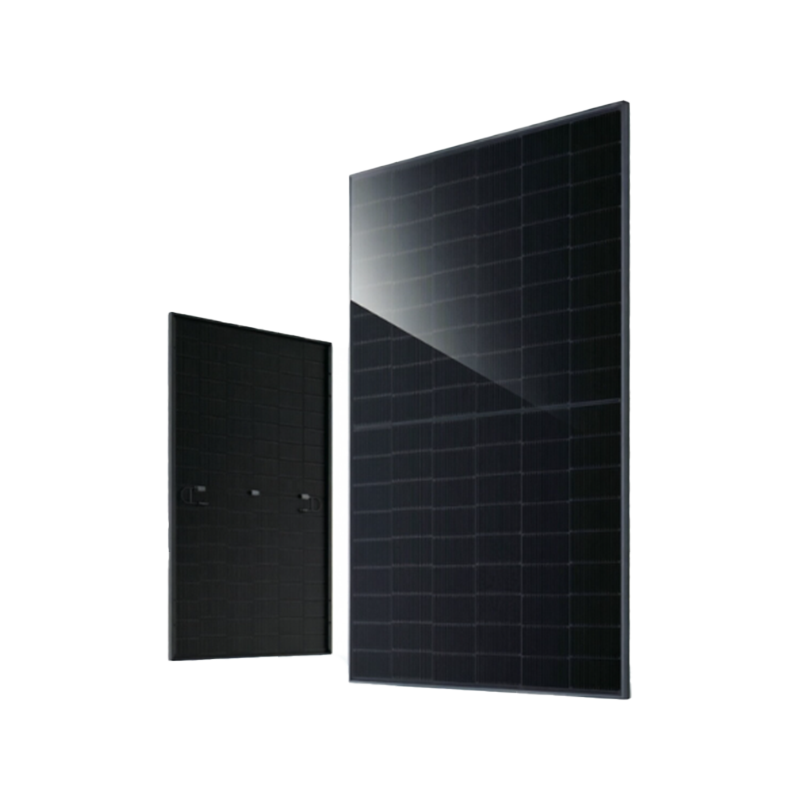
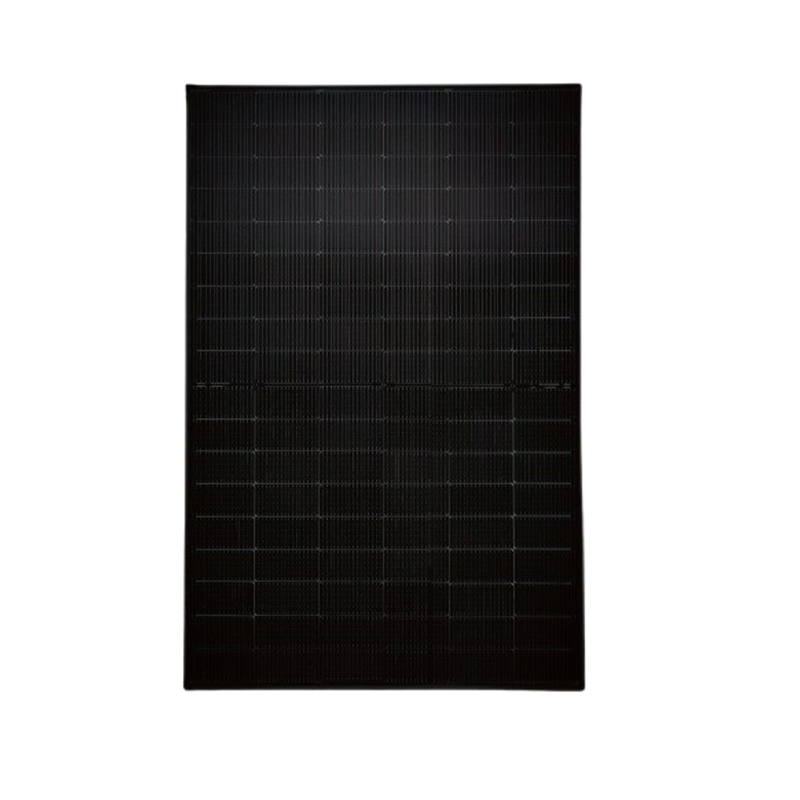
TOPCon (Tunnel Oxide Passivated Contact) is the technology increasingly replacing PERC at the higher end of the market. By adding an ultrathin tunnel oxide layer that reduces electron recombination losses, TOPCon cells achieve higher efficiencies — typically 22–24% — in the same physical footprint. This means more watts per panel and more energy from the same roof area. LONGi's Hi-MO X6 and X10 series, as well as JA Solar's D41 range, are built on TOPCon architecture.
For most projects, TOPCon makes sense where roof space is limited or where squeezing more output from a fixed array size matters. PERC remains competitive where budget is the primary constraint and space isn't an issue.
Dual Glass vs Single Glass: Which Panel Construction Suits Your Project
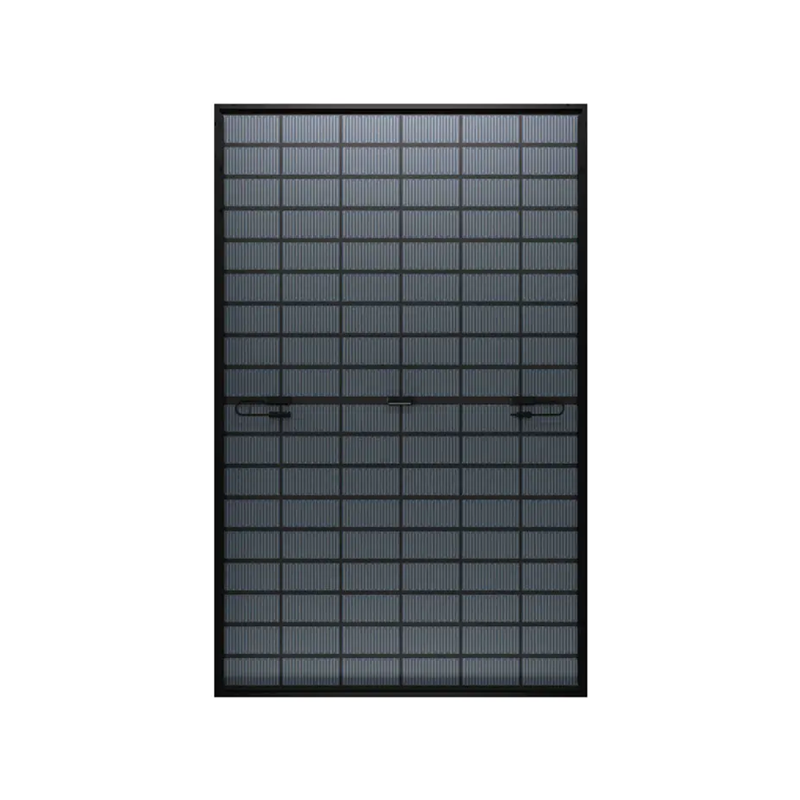
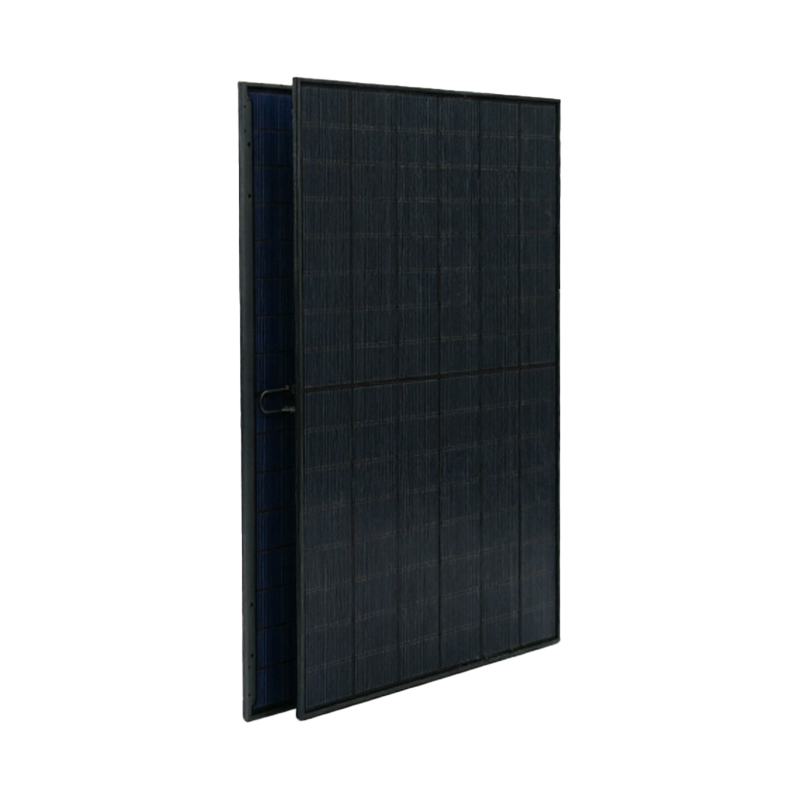
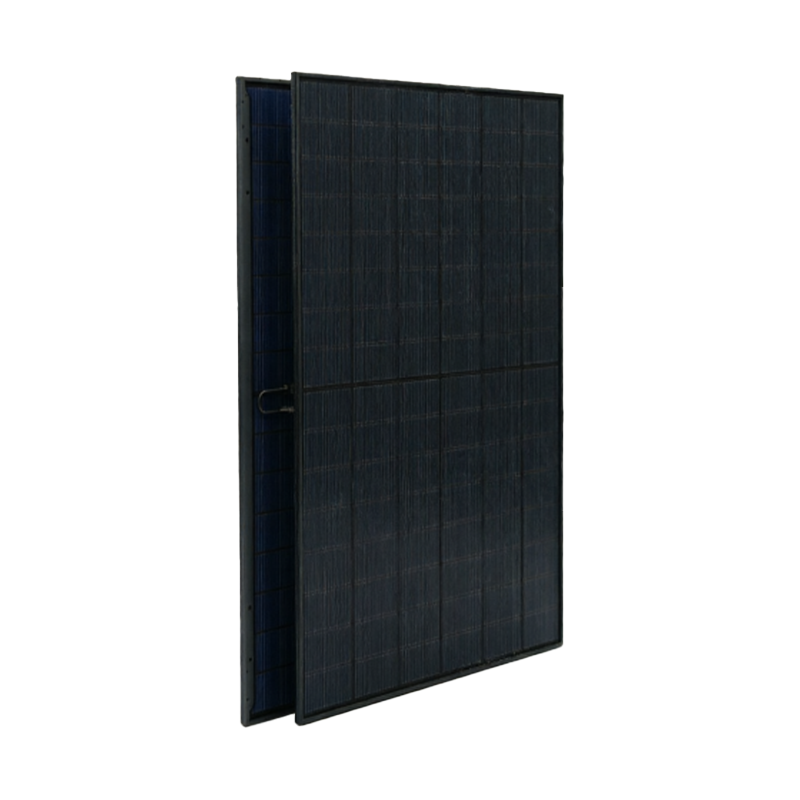
Standard solar panels use a glass front sheet and a polymer backsheet — durable enough for most rooftop installations and well suited to sheltered, low-humidity environments. Dual glass panels replace the polymer backsheet with a second sheet of glass, which changes the panel's performance profile in several ways.
Glass-on-glass construction is more resistant to moisture ingress, UV degradation and potential-induced degradation (PID) — failure modes that become more significant in hot, humid or coastal environments. It also tends to support a longer warranty period, with some manufacturers offering 30-year product warranties on dual glass modules versus 10–12 years on standard backsheet panels. The tradeoff is added weight, which can affect mounting system requirements and handling on steep roofs.
For ground-mounted systems, carport canopies, or installations in exposed coastal or tropical environments, dual glass is often worth the premium. For typical sheltered rooftop applications in temperate climates, single glass with a quality backsheet continues to perform reliably for the system's lifetime.
Tier 1 Solar Brands: What the Ranking Means and Why It Matters for Financing
The "Tier 1" classification in solar panels is widely referenced but often misunderstood. It doesn't directly measure panel quality or performance — it's a bankability rating, originally developed by Bloomberg NEF to assess whether a manufacturer's products are considered acceptable collateral by project finance lenders. A Tier 1 manufacturer is one that has had its modules used in multiple bank-financed projects, demonstrating that lenders trust the product will perform over the loan term.
In practice, Tier 1 status has become a proxy for manufacturing scale, financial stability and long-term brand reliability. All six brands available through this range — LONGi, Jinko, JA Solar, Tongwei, Suntech and Astronergy — sit within the Tier 1 category, which matters when a project involves project finance, insurance, or resale considerations where lender approval is required.
Within Tier 1, differences between brands come down to specific product lines, regional certifications, available wattages and commercial terms rather than a blanket quality gap. If you're sourcing for a financed project and need confirmation that a specific model appears on an approved product list, SEETEK can assist with the documentation.
Real-World Output vs STC: Why Lab Ratings Don't Always Match Field Performance
Every solar panel is rated under Standard Test Conditions — 1000W/m² irradiance, 25°C cell temperature, and a specific air mass value. These conditions produce a clean, comparable number: the panel's rated wattage. What they don't reflect is how a panel actually performs on a rooftop in summer, on a cloudy afternoon, or in a cold northern climate.
Cell temperature is the biggest variable. On a hot sunny day, a panel's cell temperature can easily reach 45–65°C, well above the 25°C STC baseline. Because efficiency drops with rising temperature — at a rate described by the panel's temperature coefficient — a panel rated at 600W under lab conditions may deliver noticeably less in a hot climate. A lower temperature coefficient (closer to -0.25%/°C rather than -0.40%/°C) means the panel holds its output better as it heats up.
Low-light performance is the other key variable. On overcast days or during early morning and late afternoon hours, irradiance levels drop well below the 1000W/m² STC figure. Some cell technologies — including TOPCon — tend to perform proportionally better under low irradiance, contributing to higher annual energy yields than the nameplate rating alone would suggest.