


 Français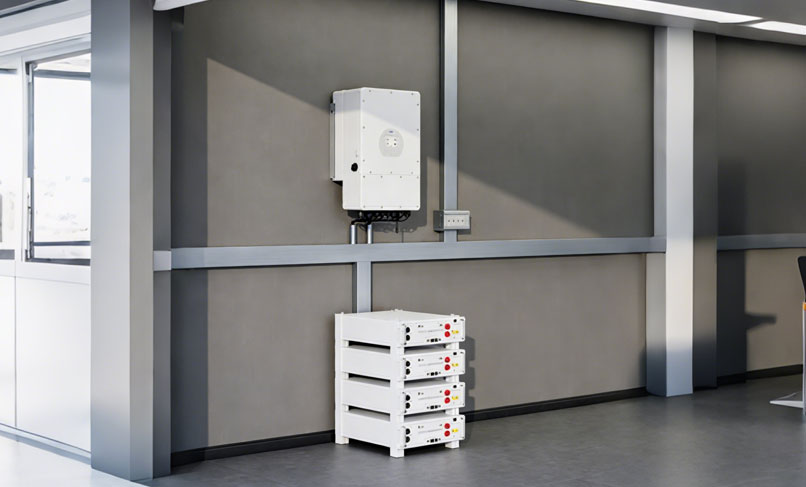

Industry Knowledge
Deye LV Battery Series at a Glance: SE-G, SE-F, AI-W and RW Explained
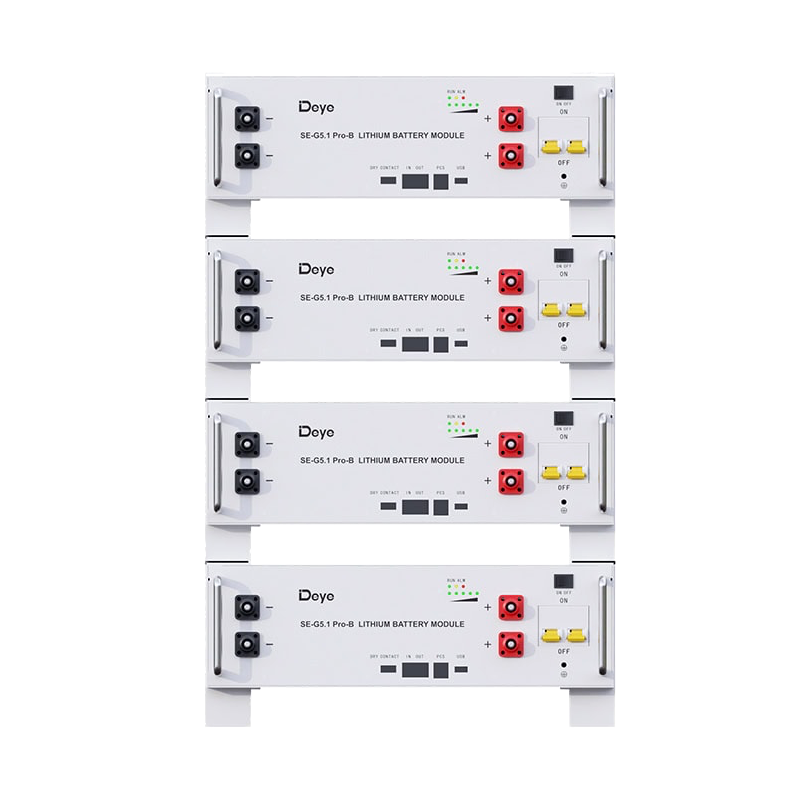
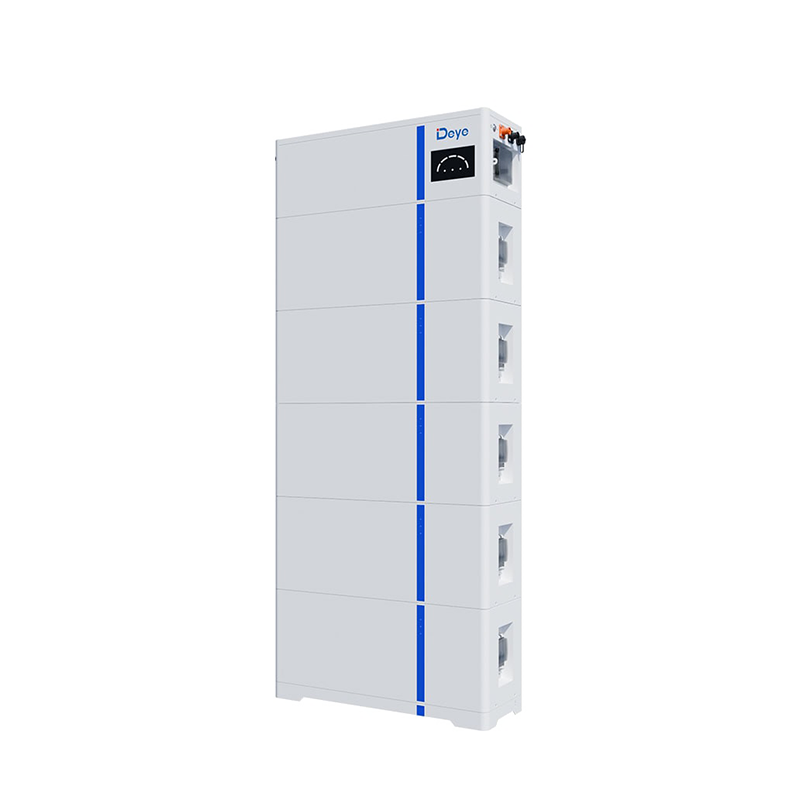
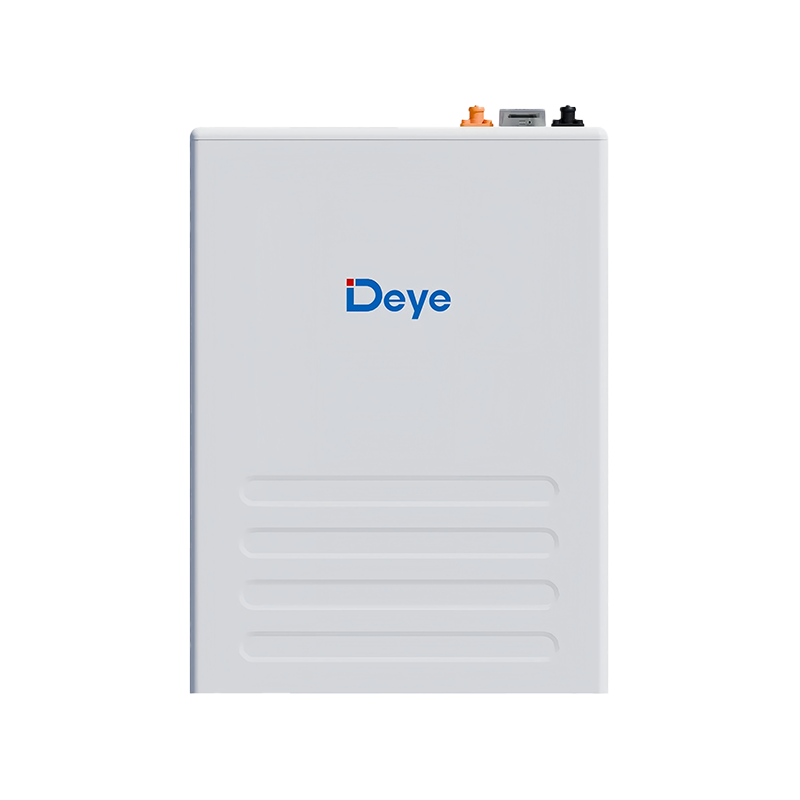
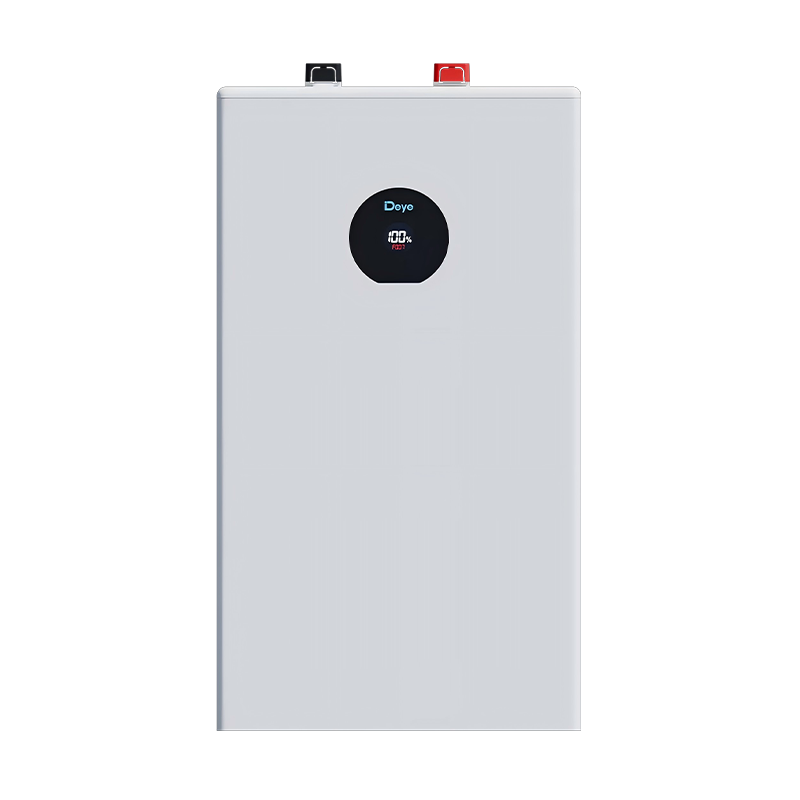
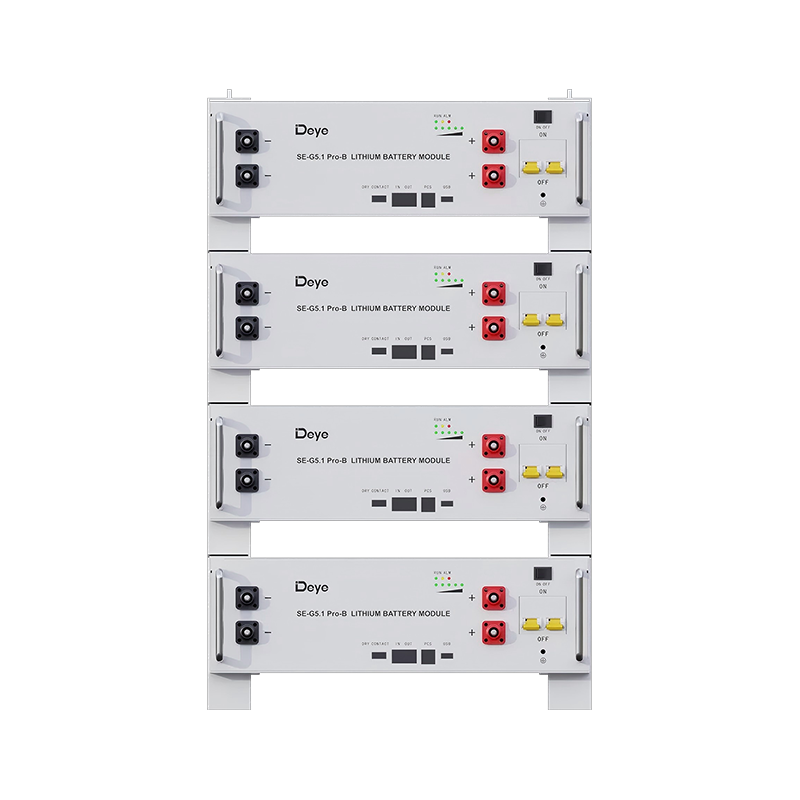
The Deye Low Voltage Battery range isn't a single product — it's a family of series, each with a slightly different positioning. The SE-G series (such as the SE-G5.1 Pro B) sits at the entry point of the range, offering a compact 5.12kWh unit well suited to smaller residential systems or first-time storage installations. The SE-F series steps up in both capacity and build, with models from 5kWh through to 16kWh designed for stackable floor installations where more storage is needed under one roof.
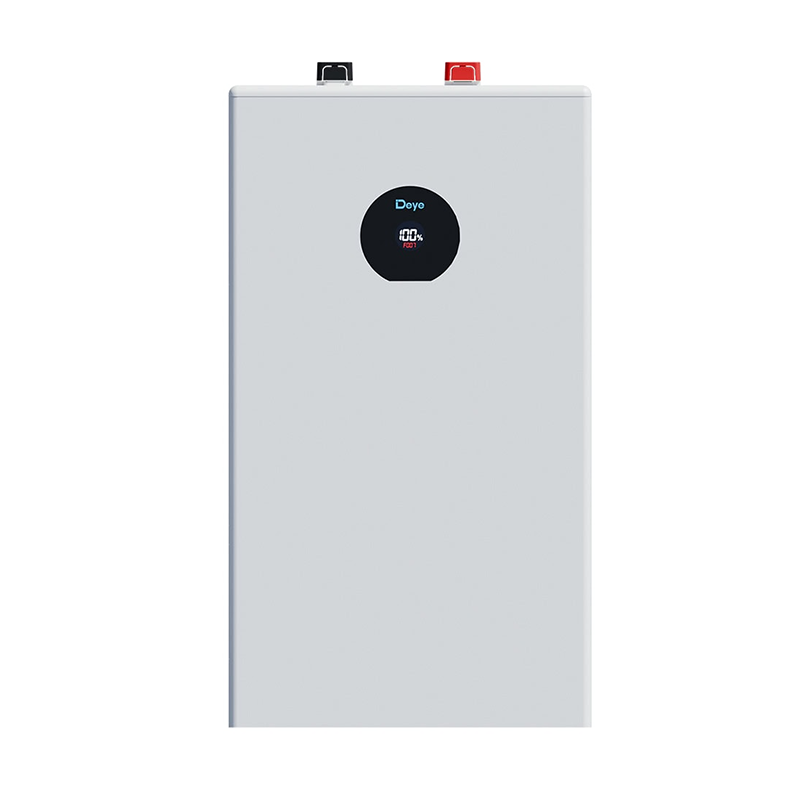
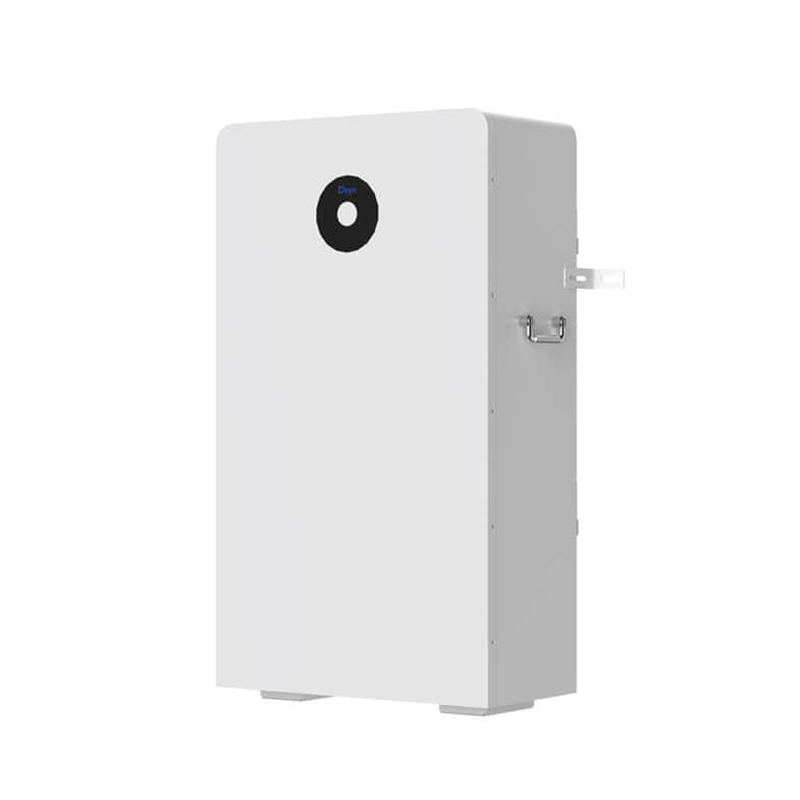
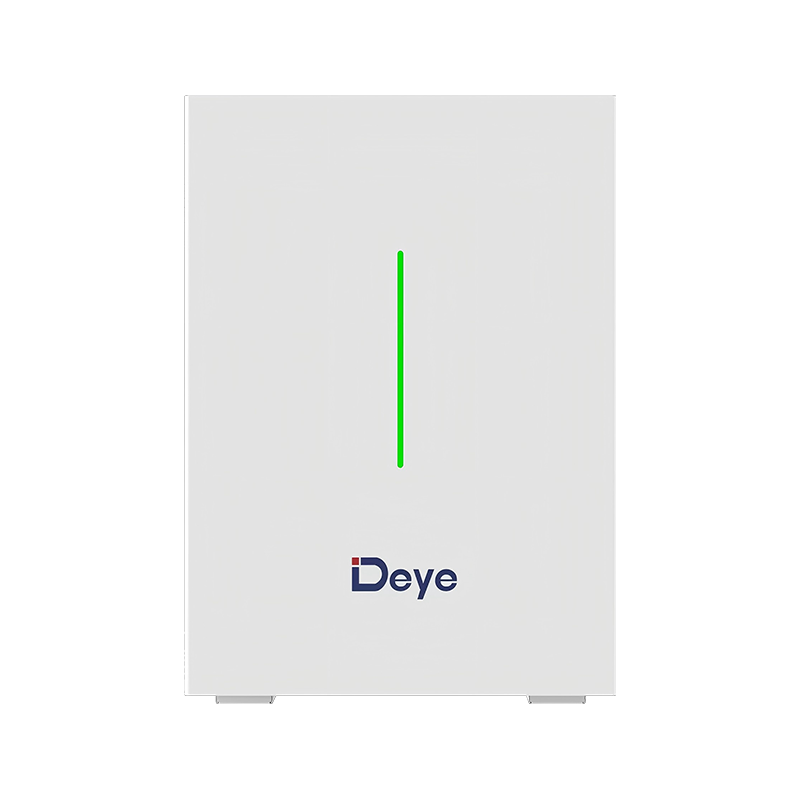
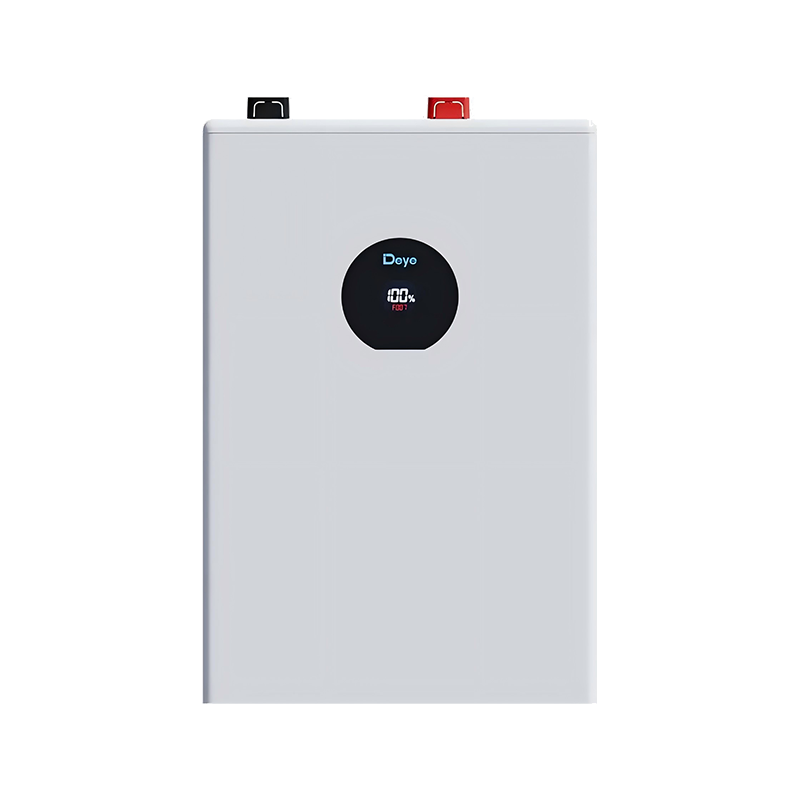
The AI-W series (AI-W5.1-B) takes a different physical approach — a wall-mounted form factor that keeps the battery off the floor entirely, useful where garage or utility room floor space is limited. The RW-F series covers the higher-capacity end of the LV range, with the RW-F10.2 and RW-F16 offering larger usable storage and higher total energy throughput ratings for systems that cycle more heavily.
All four series share the same fundamental LFP chemistry and 51.2V nominal voltage, so they pair with the same class of hybrid inverter — the differences between them are mainly about capacity, form factor and throughput rating rather than compatibility.
Wall-Mount or Floor Stack: Choosing the Right Form Factor for Your Installation
The two main physical configurations in Deye's LV battery range serve different installation environments. Wall-mounted units like the AI-W5.1-B are fixed directly to a wall, keeping the floor clear — a practical choice for smaller utility rooms, garages where floor space is shared with vehicles or equipment, or installations where the battery needs to stay out of the way.
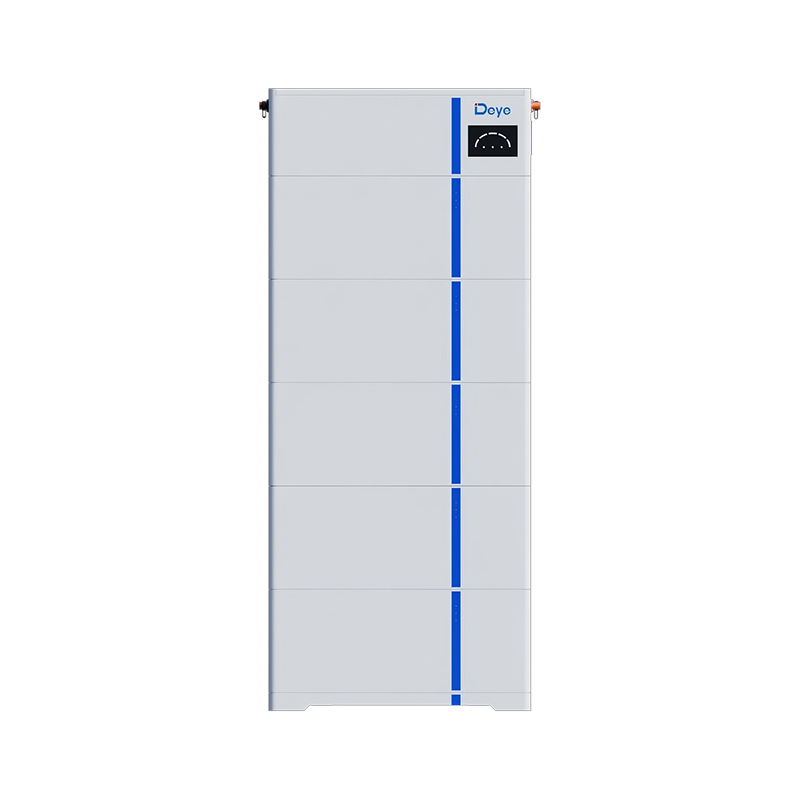
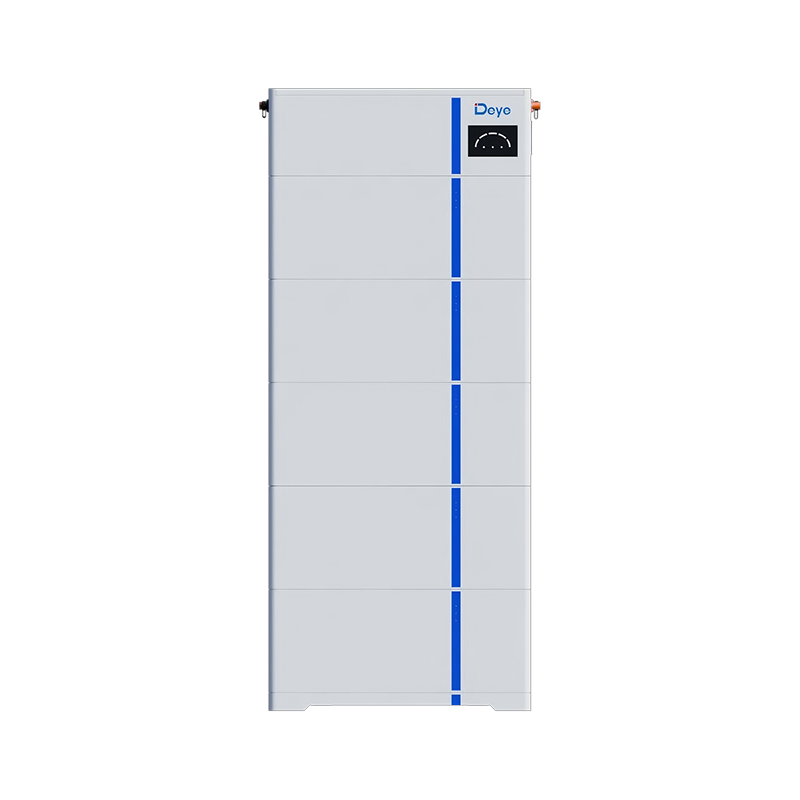
Floor-standing units like the SE-F and RW-F series sit on the ground and can be stacked in multiples to build up capacity. They tend to suit dedicated plant rooms, larger garages, or outdoor enclosures where vertical stacking is straightforward and floor space isn't the main constraint.
The form factor decision is often less about preference and more about what the physical site actually allows — wall strength, floor area, ceiling height and proximity to the inverter all play into it. Getting this right at the planning stage avoids retrofitting problems later.
Installation Space and Battery Form Factor: What to Consider Before You Buy
Beyond the wall-mount vs floor-stack choice, a few practical details are worth checking before committing to a battery model. Weight is one — the SE-F5 weighs approximately 44kg as a single unit, and stacked configurations multiply that figure quickly, so the floor or wall surface needs to be rated for it. Ventilation is another: LFP batteries generate some heat during charge and discharge cycles, and a confined space without airflow can affect both performance and longevity.
Ingress protection also matters depending on where the battery will live. The AI-W5.1-B PDU+Base carries an IP65 rating, making it suitable for locations exposed to dust or moisture — an outdoor enclosure or a semi-exposed carport, for instance — while standard indoor units are typically rated for sheltered environments only.
If you're working through a specific installation scenario and want to check whether a particular model fits the site conditions, SEETEK can help review the specs against your requirements.
How Much Battery Capacity Do You Actually Need?
The honest answer is that it depends on what you're trying to achieve — and the answer looks different for self-consumption goals versus backup power goals.
For households primarily looking to use more of their own solar generation, a useful starting point is to estimate how much electricity the home consumes after sunset, when solar isn't producing. A home using 8–10kWh in the evening and overnight would find a single 5kWh battery covers roughly half that need, while a 12–16kWh unit can cover most of it on a typical day. For backup power, the calculation shifts to which loads need to stay on during an outage and for how long — a fridge, some lighting and a router draw far less than heating, cooking or EV charging.
In practice, many households start with a single 5kWh low voltage solar battery and expand later as usage patterns become clear — which is one reason the stackable SE-F and RW-F series are a common choice when future expansion is on the table.
Energy Throughput: The Spec That Tells You How Long a Battery Will Last
Cycle count is the figure most people look at when comparing battery longevity, but it only tells part of the story. Two batteries might both be rated for 6,000 cycles — but if one is a 5kWh unit and the other is a 10kWh unit, the total energy they'll deliver over their lifetime is very different. That's where energy throughput becomes more useful.
Energy throughput expresses the total amount of energy a battery is warranted to deliver across its entire life, measured in MWh. The Deye SE-G5.1 Pro B is rated for 16MWh of total throughput; the RW-F10.2 is rated for 32MWh. For a home cycling 5kWh per day, 16MWh translates to roughly 8–9 years of daily use before the battery reaches the end of its warranted throughput — a more concrete figure than cycle count alone.
When comparing models, dividing the warranted throughput by your expected daily cycling gives a straightforward estimate of how long each option is built to last under your specific usage pattern.