


 Français

Industry Knowledge
Why Higher Voltage Means Lower Losses: The Physics Behind HV Storage
The relationship between voltage and efficiency in a battery system comes down to a straightforward piece of physics. For a given amount of power, a higher voltage system carries less current — and it's current, not voltage, that drives resistive losses in cables and connections. Cut the current in half by doubling the voltage, and cable losses drop to a quarter of what they'd otherwise be.
In practical terms, this means a high voltage battery system can deliver the same usable energy as a low voltage system while generating less heat in the wiring and losing less power in transit between the battery and the inverter. Over the course of daily cycling, those efficiency gains accumulate into a meaningful difference in total energy yield.
This is also why high voltage architecture lends itself to cleaner system design. Thinner cables can carry the same power, conduit runs are easier to manage, and the overall installation tends to be more compact and tidier — an advantage that becomes increasingly visible as system capacity grows.
Series Connection and System Voltage: How HV Battery Packs Are Configured
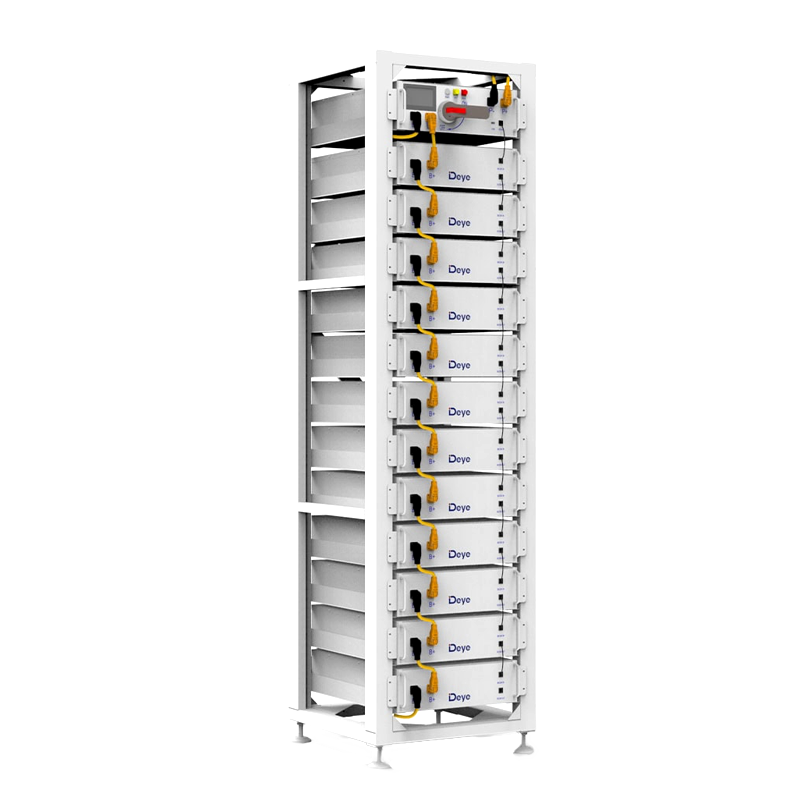
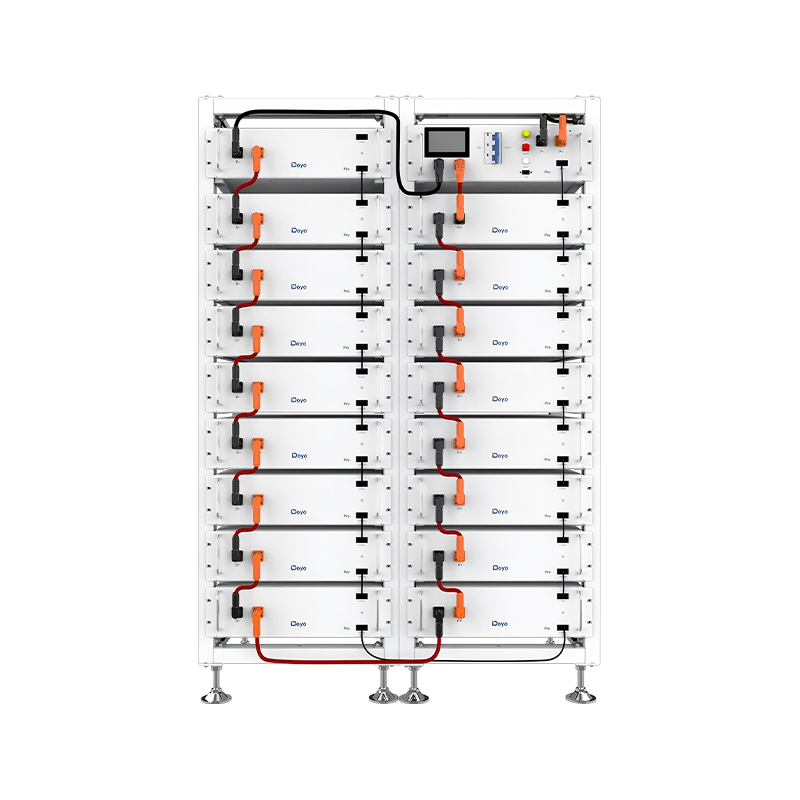
Unlike low voltage batteries, which are typically added in parallel to increase capacity while keeping voltage fixed, high voltage systems are built by connecting modules in series — stacking voltage rather than current. Each Deye BOS-A module carries a nominal voltage of 38.4V; connecting multiple modules in series raises the system voltage proportionally, building up to the range that HV-compatible inverters require.
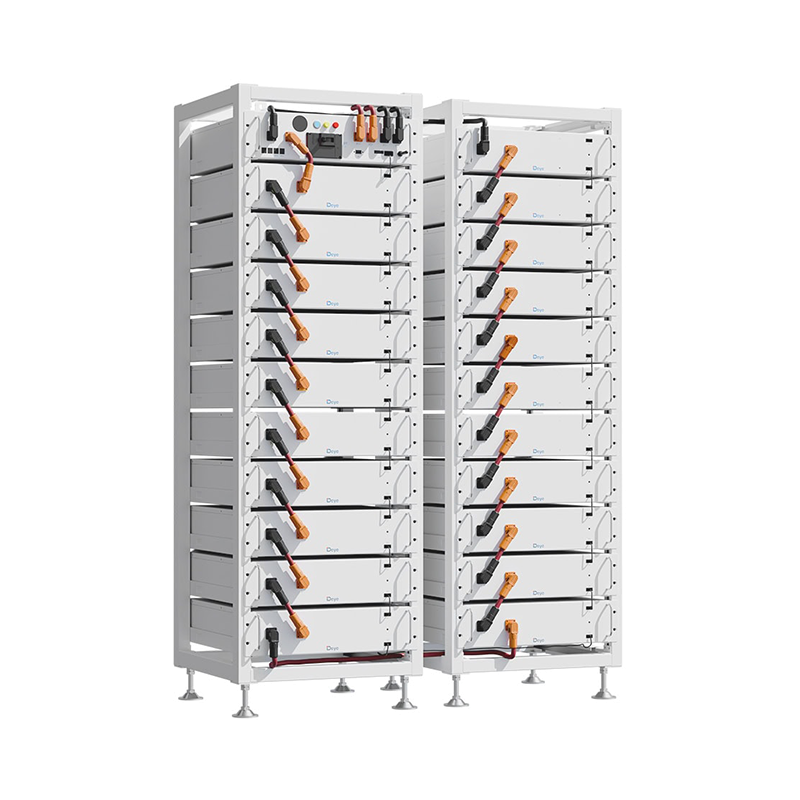
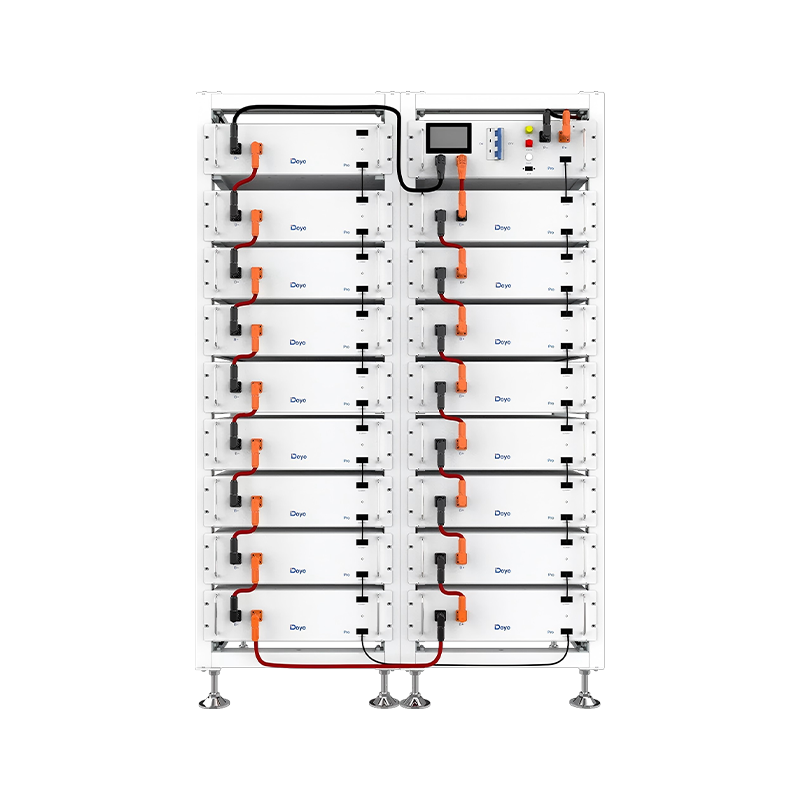
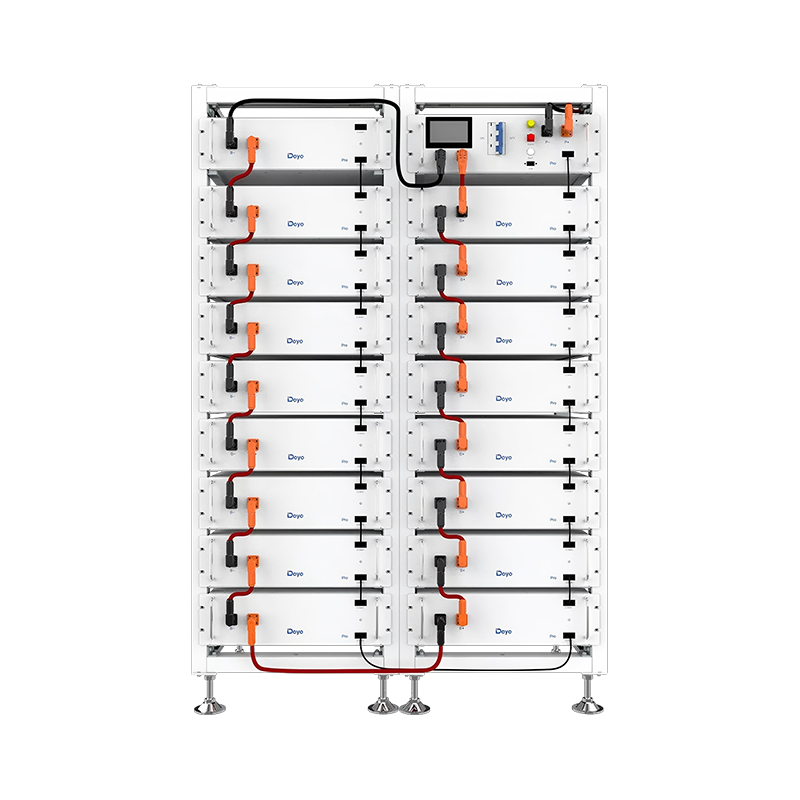
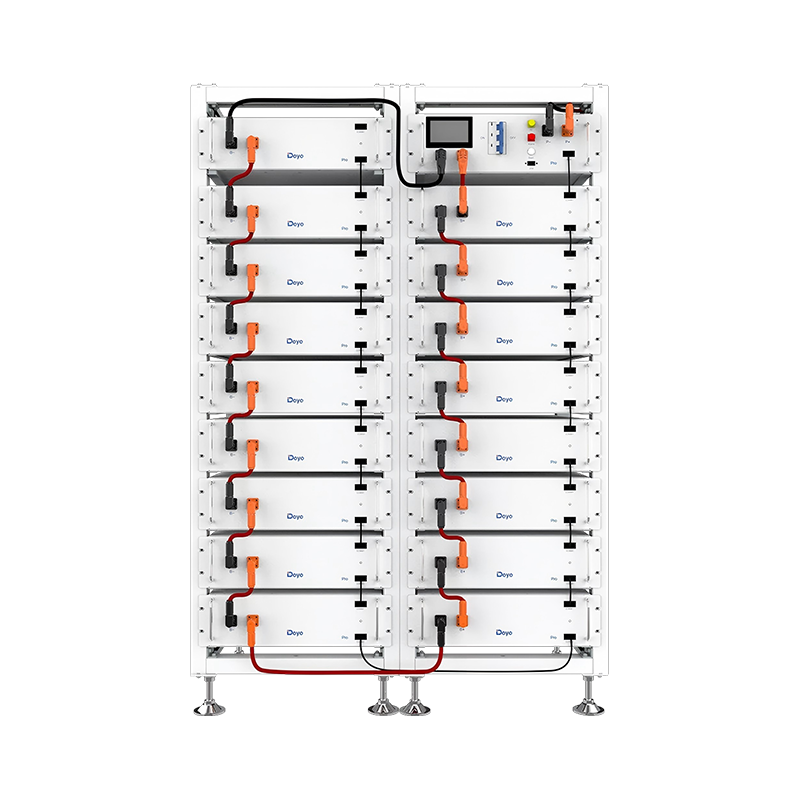
The BOS-B-Pack16-A3 takes this further, combining 16.08kWh per module into rack-scale configurations — a single Pack16-A3 system can reach over 257kWh nominal capacity, while still operating within the series-connected high voltage architecture. This is what makes the BOS series suited to larger installations where both capacity and system voltage need to scale together.
Getting the series configuration right — number of modules, total system voltage, and inverter compatibility — is an important step before ordering. If you're planning a system around the Deye high voltage solar battery series, SEETEK can help confirm the right configuration for your inverter and load requirements.
Large Homes and Light Commercial: Where HV Storage Makes the Most Sense
High voltage storage starts to make the most sense once a project moves beyond what a single low voltage battery can comfortably handle. For larger homes with higher daily consumption — running heat pumps, EV chargers, or significant appliance loads — the efficiency advantages of HV architecture become more pronounced, and the ability to scale capacity in meaningful increments matters more.
Light commercial settings follow a similar logic. A small business looking to reduce peak demand charges, shift load to off-peak hours, or maintain operations during outages needs storage that can both deliver sustained power and integrate cleanly with a larger inverter system. HV batteries, with their higher power delivery capability and lower cable losses at scale, fit this profile better than multiple stacked LV units.
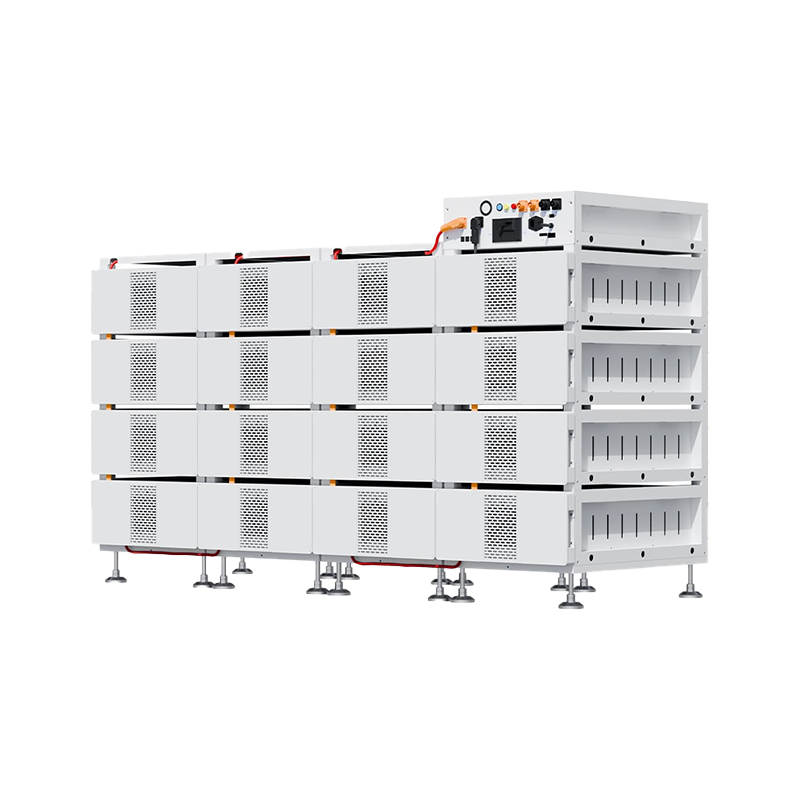
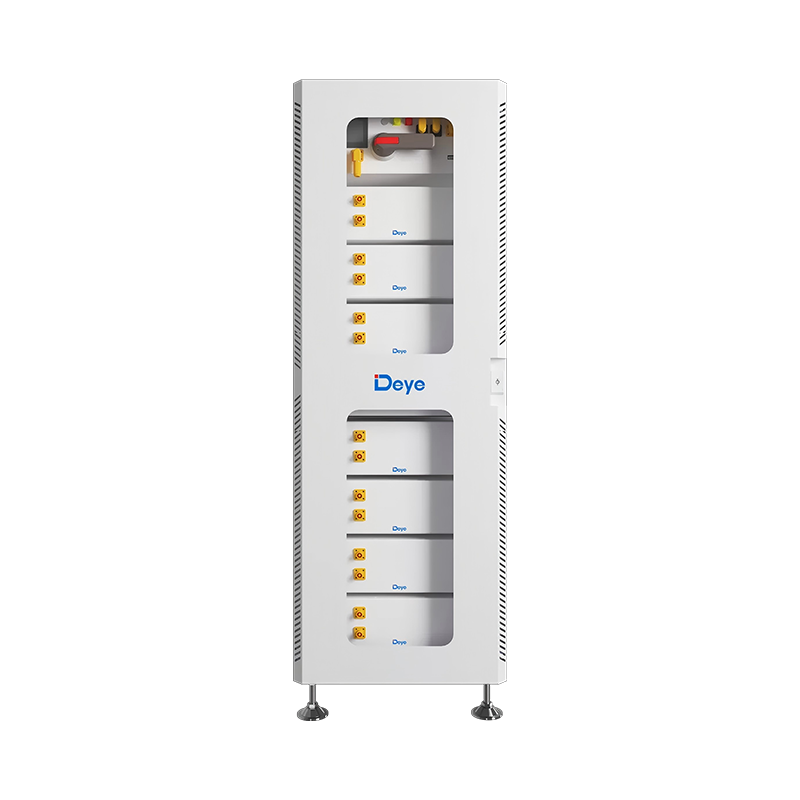
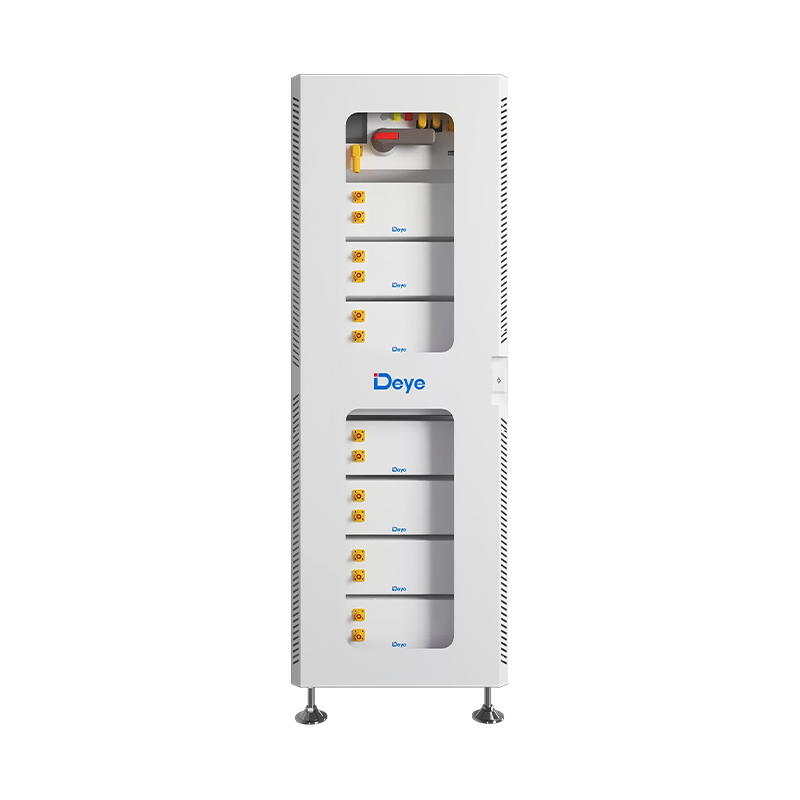
The Deye high voltage solar battery BOS-G series — covering configurations from around 25kWh up to 80kWh per cabinet — sits squarely in this range, designed for installations where the project has grown beyond standard residential scale but isn't yet at full commercial BESS territory.