


 Français
 2025.03.03
How to Choose the Right Solar Installer for Your Home
Content
- 1 I. Start with Pre-Installation Preparation: Understand Grid Policies First
- 2 II. Check Credentials: Non-Negotiable Qualifications
- 3 III. Evaluate Experience and Local Track Record
- 4 IV. Scrutinize Equipment and Contract Details
- 5 V. Compare Quotes and Avoid Low-Price Traps
- 6 VI. Assess After-Sales Service and Support
- 7 VII. Final Checklist Before Hiring
- 8 Conclusion
In 2026, residential solar is a cost-effective investment, but its success depends on a reliable installer. With stricter grid-integration rules (e.g., "four-ability" standards) and evolving regulations, careful evaluation is essential. Below is a concise guide to choosing the best installer.
I. Start with Pre-Installation Preparation: Understand Grid Policies First
Clarify local grid rules and policies first to avoid mistakes and ensure eligibility for incentives. The 2026 grid-integration standards are stricter, especially for power calculation coordination platforms.
-
Verify Grid Connection Policies: Contact your utility to confirm grid limits, access requirements, and power calculation platform adoption. Ensure inverters meet "four-ability" standards to avoid grid access denial.
-
Confirm Incentive Eligibility: Research local/state/federal incentives (e.g., U.S. IRA tax credits). A reputable installer should assist with applications.
-
Gather Necessary Documents: Prepare ID, property deed, and other documents required for grid connection and filing.
II. Check Credentials: Non-Negotiable Qualifications
A qualified installer needs proper licenses, certifications, and insurance to ensure safe, compliant work—critical in 2026’s value-driven industry.
-
Core Certifications and Licenses: Look for NABCEP certification and valid electrical/power installation licenses. Avoid "affiliated" credentials lacking accountability.
-
Insurance Coverage: Verify liability and workers’ compensation insurance to avoid financial risks.
-
Grid Integration Experience: Prioritize installers with experience in "four-ability" and power calculation platform projects.
III. Evaluate Experience and Local Track Record
Experience is key for the complex 2026 grid requirements. Local installers understand regional policies and conditions better.
-
Years in Business and Project Volume: Choose installers with 3–5+ years of residential solar experience and similar project examples.
-
Local Success Cases: Review local grid-connected projects (1+ year old) and ask homeowners for feedback. Avoid installers without local experience.
-
Avoid Subcontracting Pitfalls: Ensure the installation team is in-house, with qualified electricians trained in power calculation platform debugging.
IV. Scrutinize Equipment and Contract Details
Equipment quality and contract clarity are critical. In 2026, prioritize N-type panels and compliant smart inverters.
-
Equipment Transparency: Contracts must specify component brands/models, especially inverters with "four-ability" support. Avoid vague descriptions like "high-efficiency panels".
-
Warranty Terms: Ensure written warranties (10-year product/25-year power for panels; 5–10 years for inverters), including power calculation platform maintenance.
-
Contract Essentials: Include installer info, service scope, cost, timeline, penalty clauses, and loan/cooperation terms.
V. Compare Quotes and Avoid Low-Price Traps
Low quotes often mean poor quality or hidden fees. Be vigilant as 2026 subsidy cuts may prompt low-price tactics.
-
Request Detailed Quotes: Get 3–5 quotes with consistent equipment, service, and warranties; avoid quotes excluding grid/testing fees.
-
Understand Pricing Factors: Reasonable quotes reflect equipment quality and service—unusually low quotes may mean substandard work.
-
Clarify Hidden Costs: Ask about roof repairs or cable extensions; reputable installers include these upfront.
VI. Assess After-Sales Service and Support
Long-term maintenance is vital for 2026’s smart grid systems. A reliable installer offers comprehensive support.
-
Maintenance and Response Time: Confirm regular maintenance and ≤48-hour fault response, including free power calculation platform upkeep.
-
Monitoring and Reporting: Choose installers offering smart monitoring for energy production and grid status.
-
Long-Term Support: Avoid fly-by-night companies; prioritize those with a strong local reputation.
VII. Final Checklist Before Hiring
Complete this checklist before signing:
-
Verify certifications, licenses, and insurance.
-
Review local references and completed projects.
-
Confirm contract includes equipment specs, warranties, and grid commitments.
-
Clarify all costs and payment schedules.
-
Assess after-sales service.
-
Avoid installers promising "grid connection first, contract later".
Conclusion
Choosing the right installer impacts energy efficiency and returns. In 2026, prioritize credentials, local experience, equipment quality, and transparent contracts. This guide helps avoid pitfalls and maximize solar benefits—your installer is a long-term partner in your renewable journey.
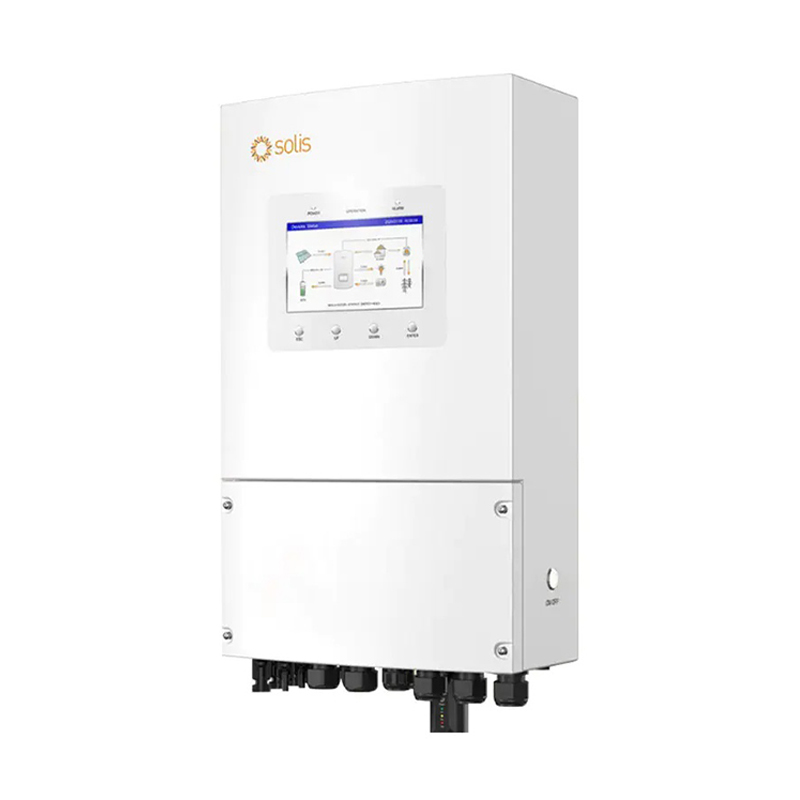
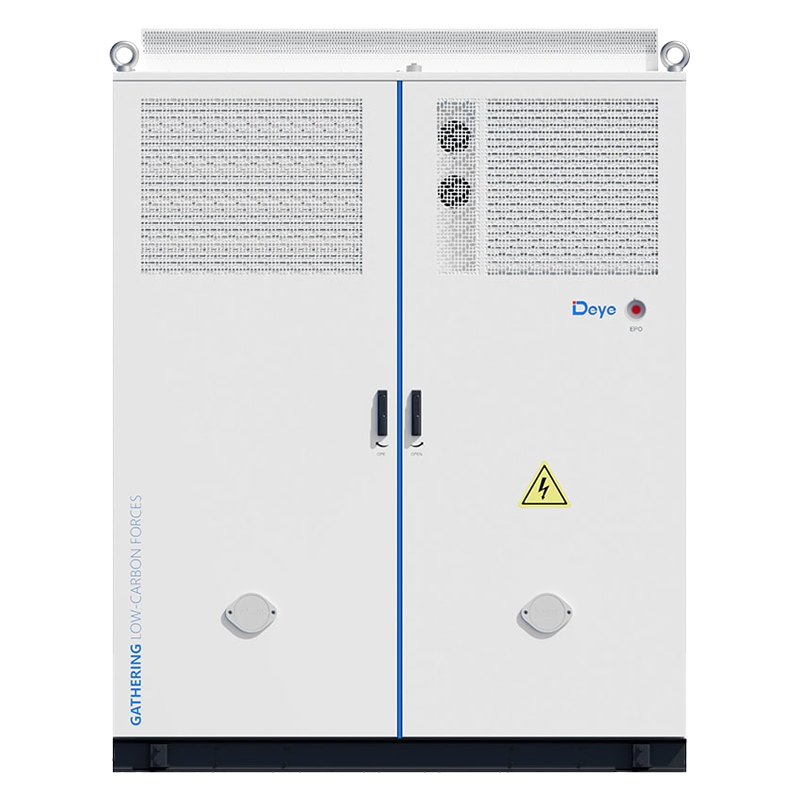
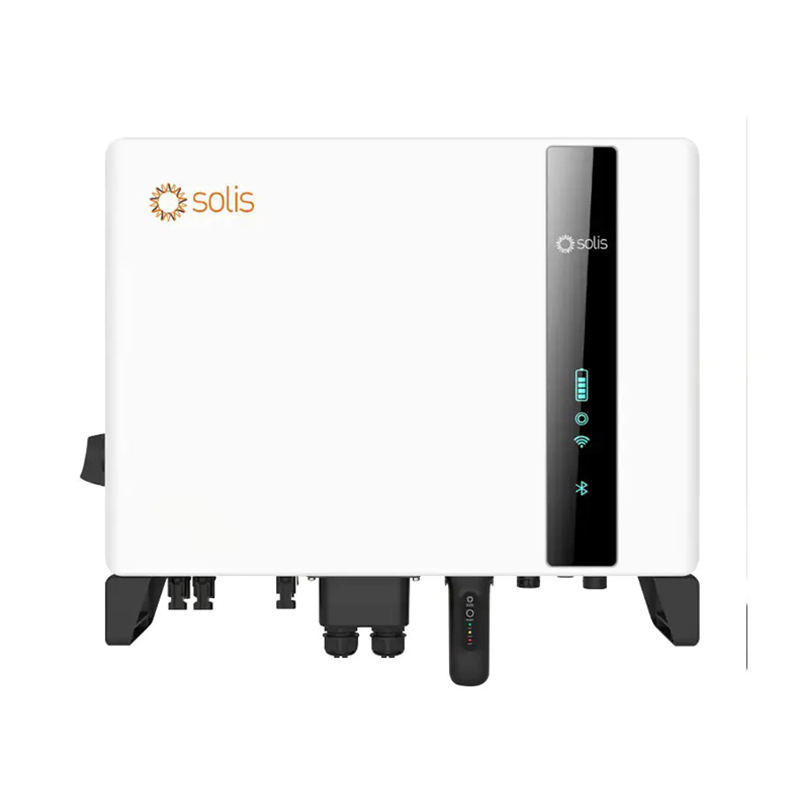
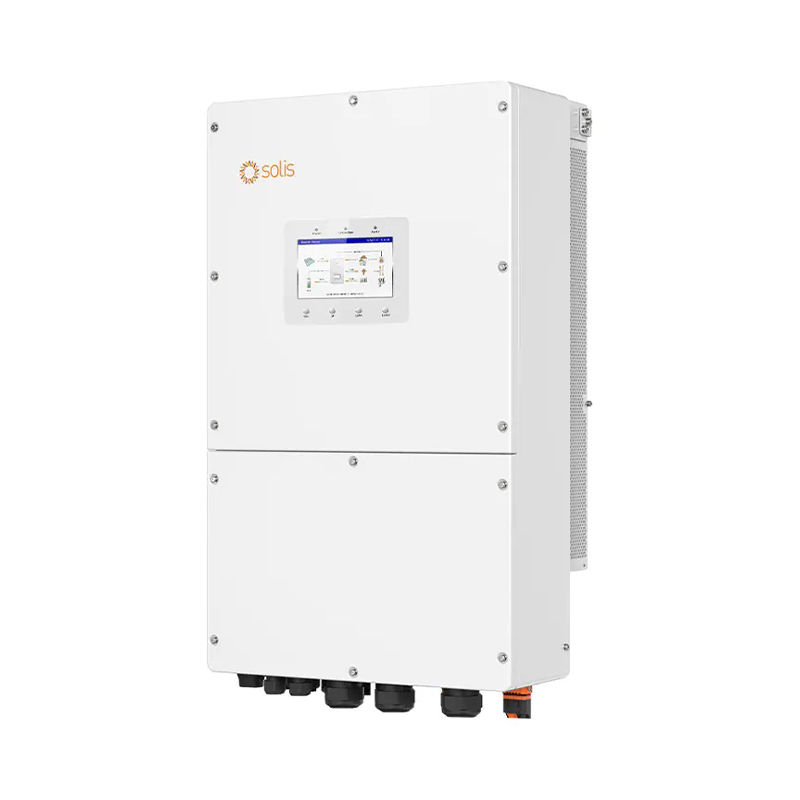
Recommended Products
We select the most popular photovoltaic and energy storage products on the market, guaranteeing quality and offering immediate supply.








7+ Overseas Warehouses
3+ Branch Offices
1+ Factory
3+ Branch Offices
1+ Factory
Get in Touch
Your email address will not be published.
Required fields are marked
Required fields are marked

> Your Trusted Global Supply Platform for Solar Energy Storage Products <

Copyright @ Hangzhou Seetek New Energy Sci-tech Co., LtD. All rights reserved Solar Energy Storage Solution Solar Energy Storage Products Supplier
