


 Français

Industry Knowledge
Why Micro Inverters Handle Shading and Mismatch Better
In a typical string inverter setup, panels are wired together in series — and the whole string can only perform as well as its weakest panel. If one panel is shaded by a chimney, a tree branch, or even just dirt buildup, it can drag down the output of every panel connected to it.
Micro inverters remove that dependency entirely. Because each panel has its own dedicated inverter converting power right at the module, a shaded or underperforming panel only affects itself — the rest of the array keeps producing at full capacity.
This makes a real difference on roofs with partial shading at certain times of day, panels facing slightly different angles, or arrays mixing older and newer modules with different output characteristics.
Built-In Safety: What Module-Level Conversion Means for Installers
String inverter systems run high-voltage DC cabling from the roof down to the inverter — often several hundred volts. With micro inverters, each panel converts its power to AC right at the module, so the wiring running across the roof and down to the connection point carries AC at much safer, lower voltages.
For installers, this simplifies both installation and ongoing maintenance: there's no long high-voltage DC run to manage, and working on or near the array carries less risk. It also aligns well with rapid-shutdown requirements that many regions now require for rooftop solar.
For homeowners, this means less to worry about — no high-voltage DC components hidden behind the panels, and a system that's inherently easier to service safely down the line.
Start Small, Add More Later: Scaling a Micro Inverter System Over Time
Not every project starts with a full roof of panels. Micro inverters make it straightforward to begin with a smaller installation and expand later — each additional panel simply comes with its own inverter, without needing to resize or rewire an existing string.
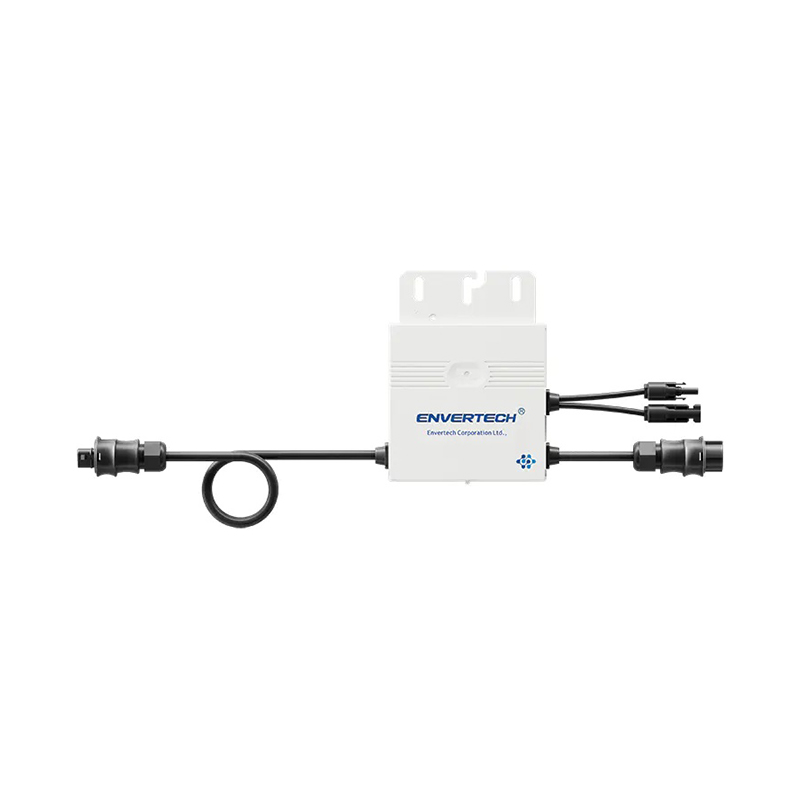
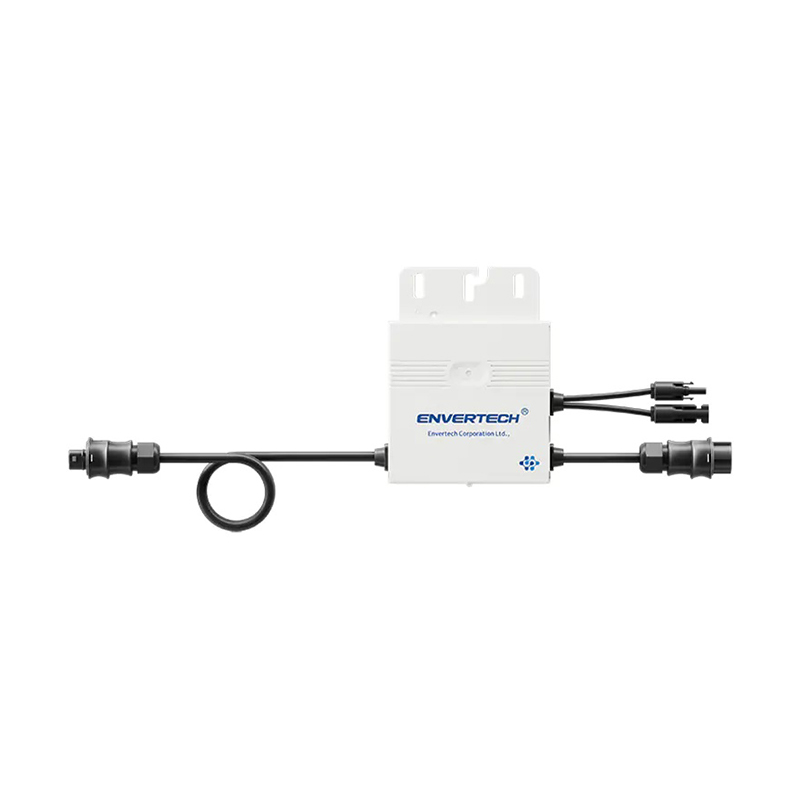
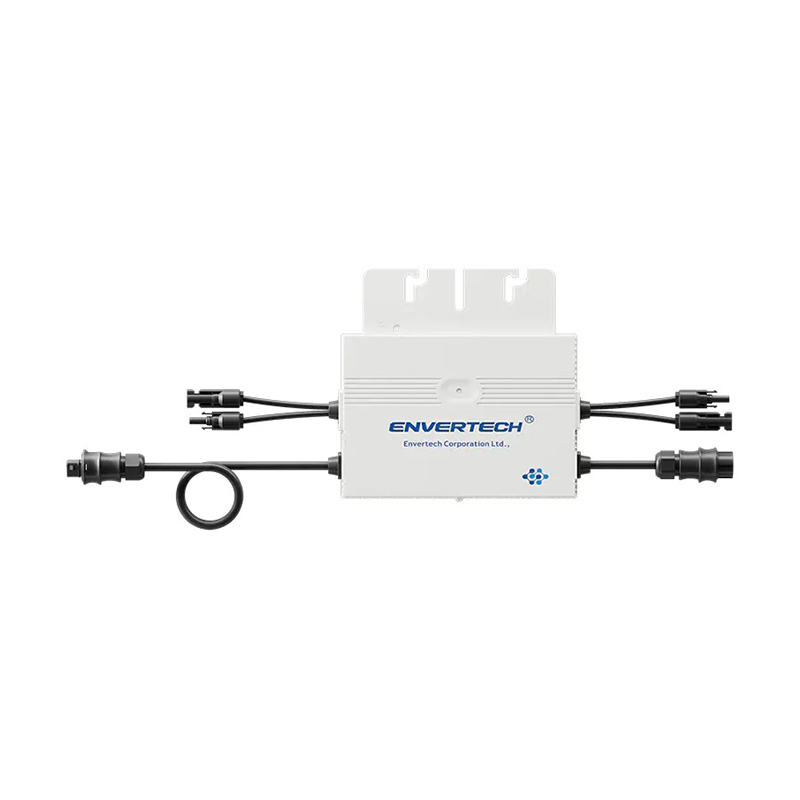
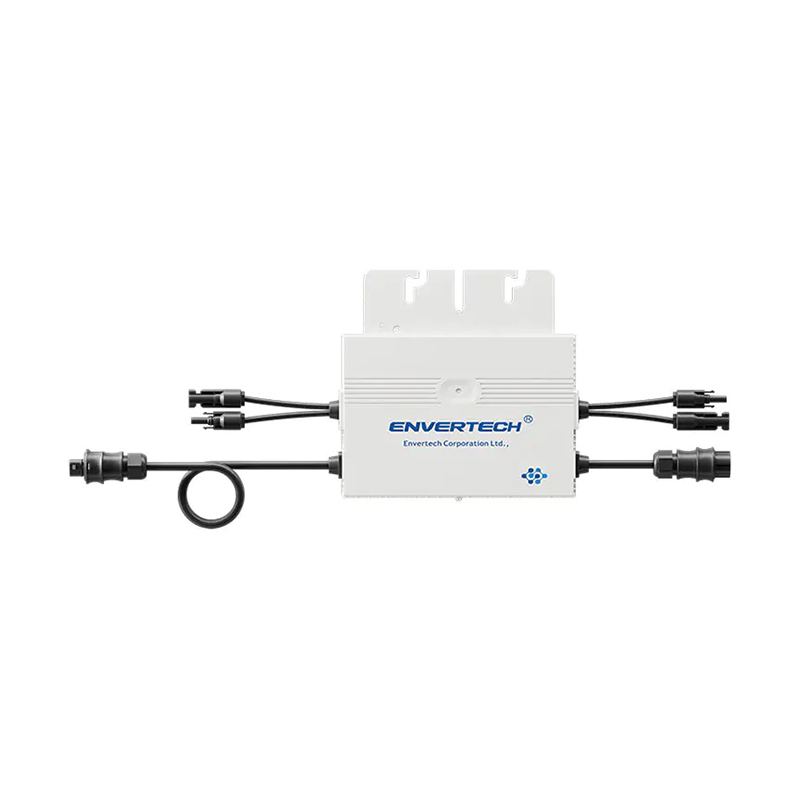
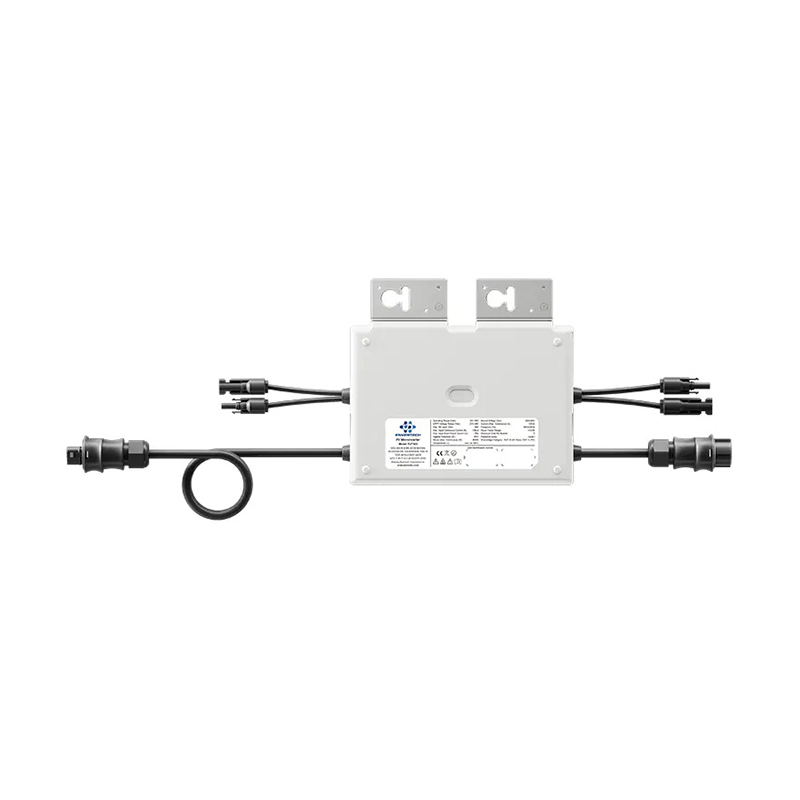
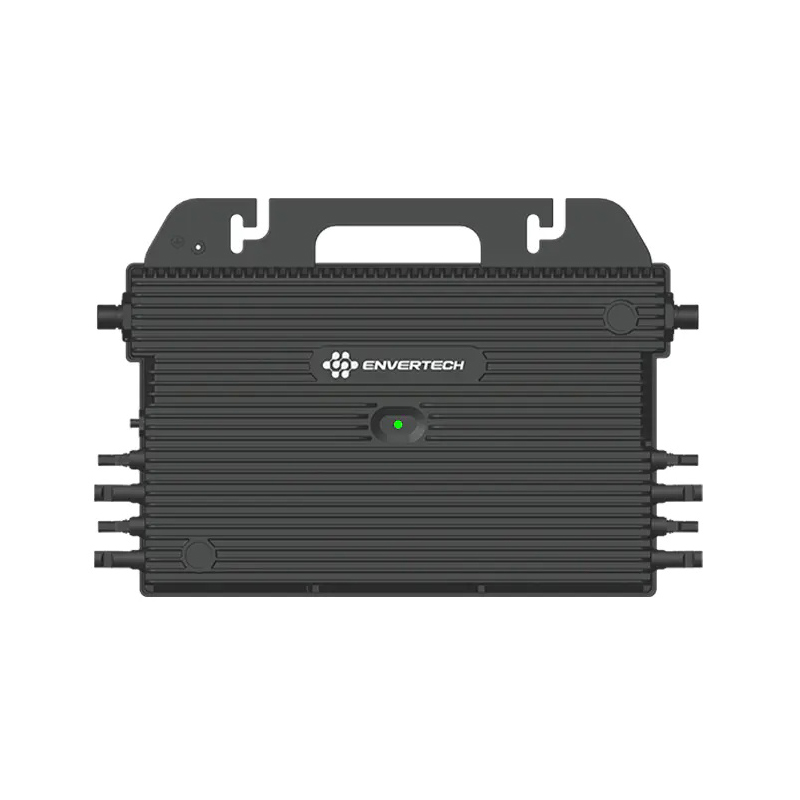
This modularity also makes it easier to match the inverter to the panel. Our Envertech EVT series spans from 360W up to 2000W, covering everything from a single residential panel to higher-output modules used in larger arrays — so as panel wattages change between phases of a project, the inverter choice can change with them.
If you're planning a phased installation and want help mapping panel wattages to the right EVT model, SEETEK can talk through the options with you.