


 Français
 2026.07.07
Deploying the BOS-B Pro-A3: Wiring, Rack Setup, and Scaling to 2.5MW
Content
Sizing the Cluster Before Touching a Cable
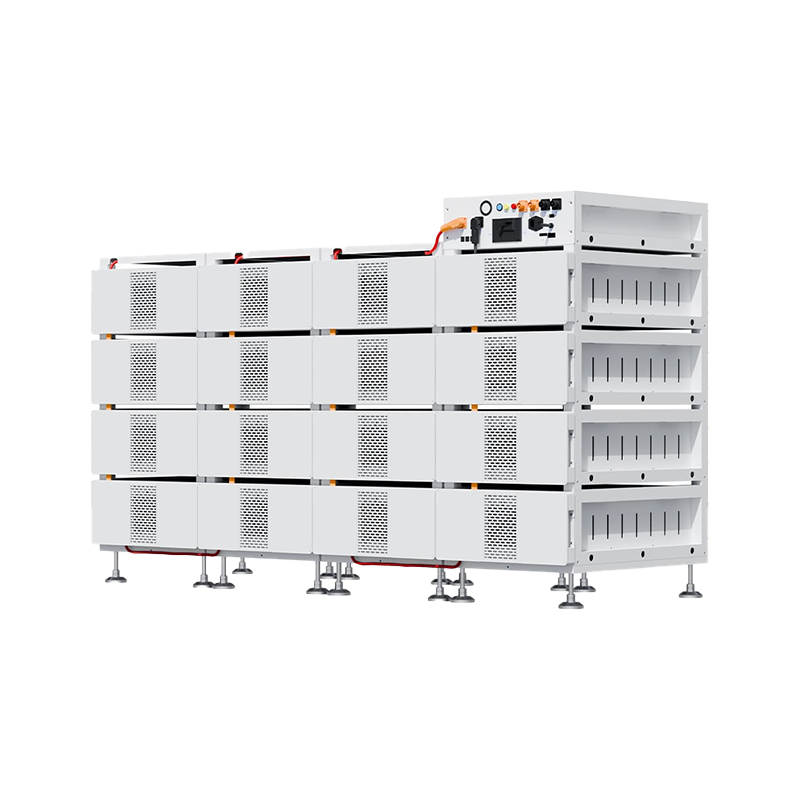
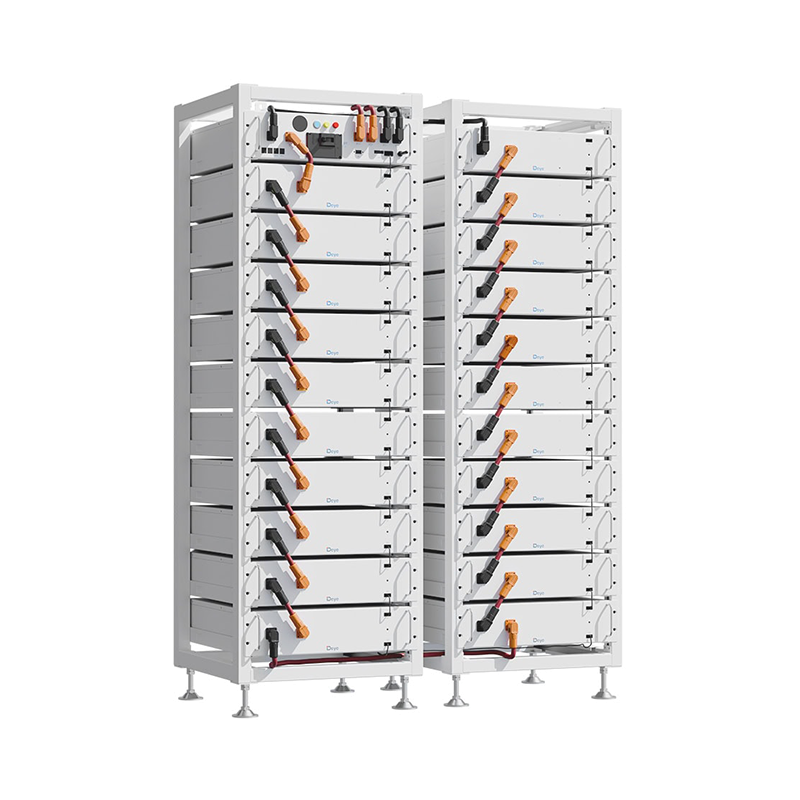
A single BOS-B Pro-A3 rack tops out at 257.23kWh of system energy, built from 5 to 16 battery modules wired in series. Before any wiring starts, that rack count needs to match the PCS it's paired with: one 100kW PCS supports up to 16 racks in parallel, and the same ceiling applies per PCS regardless of whether MPPT is in the loop.
Where MPPT is added to the string, the allowable module count in series changes with the PV open-circuit voltage. Sixteen units are permitted on-grid or off-grid when open-circuit voltage stays at or below 800V, fifteen units at 750V or below, and fourteen units on-grid only at 700V or below. Getting this number wrong at the design stage is the most common reason installers end up re-racking a cluster mid-project.
Wiring the Battery Rack: Ports and Cable Runs
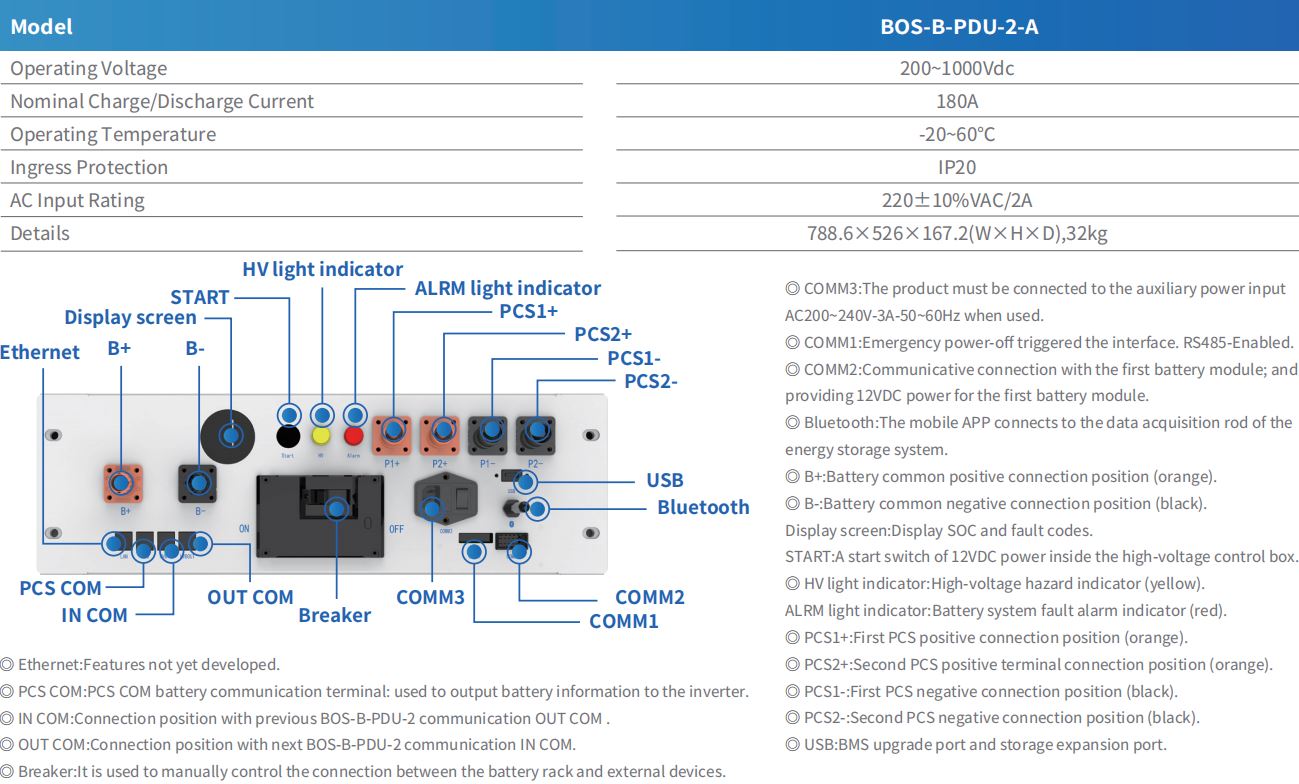
Each BOS-B-PDU-2-A power distribution unit exposes a defined set of connection points: PCS1+/PCS1- and PCS2+/PCS2- terminals for wiring to one or two PCS units, B+/B- for the battery common bus, and COMM1/COMM2/COMM3 ports for battery communication, emergency power-off signaling, and the auxiliary 220-240VAC input the unit needs to operate.
The accessory package built for the 125kW PCS specifies exact cable lengths rather than leaving them to guesswork: positive power cable in 1AWG at 1000mm, 2500mm, and 3000mm runs, negative power cable in 1AWG at 240mm and 3000mm, and a 10AWG PE cable at 600mm. Matching these lengths to the actual rack layout avoids the slack or strain that shows up later as a loose lug or a chafed jacket.
Bringing PV Into the Cluster Through the MPPT Module
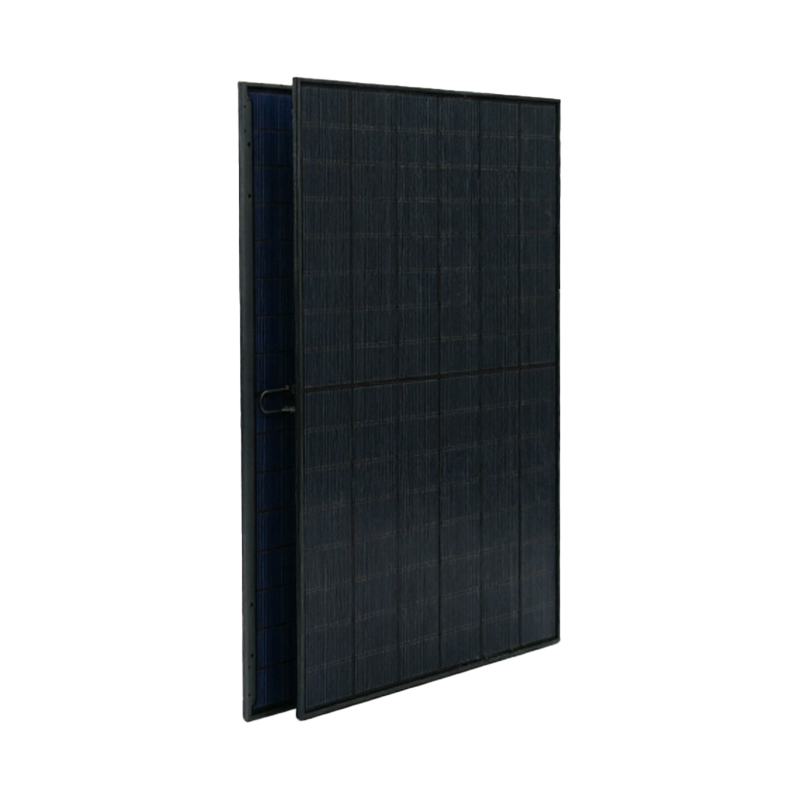
The MPPT module accepts up to 200kWp of PV across 8 independent MPP trackers, each rated for 40A operating current and 60A short-circuit current. Full-load MPPT voltage range sits between 450V and 750V, with a wider 180-750V window at partial load, and a 200V start-up voltage before the tracker begins working.
Because each tracker is wired and monitored separately, a shading issue or a fault on one string doesn't drag down the other seven. That independence is also why the maximum series rack count changes with PV open-circuit voltage: the MPPT's DC output voltage range of 630-1000V has to stay compatible with whatever the connected battery string is presenting. For a deeper look at how tracker count changes system design, this explanation of MPPT channel counts and inverter pairing covers the underlying logic in more detail.
Adding the STS Module for On-Grid, Off-Grid, and Diesel Paths
Scaling past a single PCS usually means bringing in the STS module, which handles switching between on-grid, off-grid, and diesel generator modes in under 10ms. Wiring here follows three separate paths — GEN, Load, and Grid — each independently rated for 500kW, connected through dedicated ports rather than a shared bus.
On the PCS side, one STS module can connect to five 100kW PCS units or four 125kW PCS units. That ratio, not the battery rack count, is usually what caps the size of a single STS-anchored cluster, so it's worth confirming early when a project is planned to scale toward the 2.5MW ceiling.
Scaling the Full System to 2.5MW
Working from these unit limits, a full build-out follows a repeatable pattern: PCS 1 through PCS n, each carrying up to 16 battery racks, tied together through a shared STS module, with n capped at 5 for 100kW PCS units or 4 for 125kW PCS units. Stacking to the rated 2.5MW ceiling is a matter of repeating this PCS-plus-rack block rather than redesigning the wiring scheme for each addition.
Backup duration scales the same way — up to 32 hours with 16 racks per PCS — so the wiring and rack-count decisions made at the start of a project carry through directly to how long the site can run without grid support. Teams sourcing racks, cables, and PDUs for a build like this can find the matching parts in the commercial and industrial energy storage lineup.








3+ Branch Offices
1+ Factory
Required fields are marked


Copyright @ Hangzhou Seetek New Energy Sci-tech Co., LtD. All rights reserved Solar Energy Storage Solution Solar Energy Storage Products Supplier
