


 Français
 2026.08.14
Micro Inverters Explained: How They Work, Benefits, and Buying Tips | SEETEK Power
Content
A residential roof in Porto has twelve panels. Three of them sit behind the chimney during the late afternoon, and a fourth is partially shaded by a neighbouring tree. With a string inverter, the current flowing through the entire string is limited by the weakest panel, so the shaded modules reduce the output of the fully exposed panels next to them. A micro inverter solution changes that equation. When each panel has its own converter, every module tracks its own maximum power point, and shading on one panel costs exactly the production of that panel — nothing more. That is the simplest way to understand why micro inverters have become the preferred architecture for complex residential roofs.
What Are Micro Inverters?
A micro inverter is a compact electronic device, usually mounted on the rail beneath the solar module or integrated on the frame, that performs DC-to-AC conversion at the panel level. Instead of sending DC power to a single central unit, the system converts each panel's output into grid-compliant AC directly on the roof. Most residential micro inverters are rated between 360 W and 2,000 W, and a single unit can serve one module or two modules depending on the internal layout. Because each inverter contains its own MPPT tracker, panels with different orientations, tilt angles, or even different power ratings can be combined on the same array without strict matching requirements. The architecture also removes high-voltage DC cabling from the rooftop, which shortens installation time and improves safety for maintenance workers.
Micro Inverters vs String Inverters: The Core Difference
The practical difference can be summarised as group optimisation versus individual optimisation. A string inverter manages the array as one electrical chain; a micro inverter manages each panel as an independent unit. Power optimizers sit between the two, offering panel-level MPPT while still relying on a string inverter for DC-to-AC conversion. That single distinction drives shading tolerance, monitoring granularity, warranty length, and the total installed cost.
| Attribute | String Inverter | Micro Inverter |
|---|---|---|
| Conversion point | One central unit | At each module |
| Shading impact | Weak panel limits the string | Isolated to one panel |
| Monitoring | Usually string-level | Per-module data |
| Rooftop DC voltage | 600-1000 V DC | Low, module-level voltage |
| Typical warranty | 10-12 years | 20-25 years |
| Hardware cost | Lower | Higher per watt |
For a clean, unshaded roof with a single orientation, a string inverter still delivers better cost per watt and remains a sensible default for many commercial projects. For any roof with obstacles, multiple planes, or expected expansion, the premium for micro inverters is usually recovered through higher production within the first few years. If you are still weighing string architectures, our guide to MPPT channels explains why the number of trackers matters when modules face different directions.
Key Benefits of Micro Inverters
Installers choose micro inverters for four practical reasons:
- Shade and mismatch tolerance — a shaded panel, a dirty module, or a slight difference in power rating affects only that panel, not the entire string.
- Panel-level monitoring — performance data is reported per module, so a failing panel is identified instantly instead of being traced through trial and error.
- Simple expansion — because there is no string sizing calculation, the owner can add modules at any time as long as the AC capacity of the circuit allows it.
- Rapid shutdown and low DC voltage — module-level voltage simplifies compliance with electrical codes and makes the roof safer for installers and firefighters.
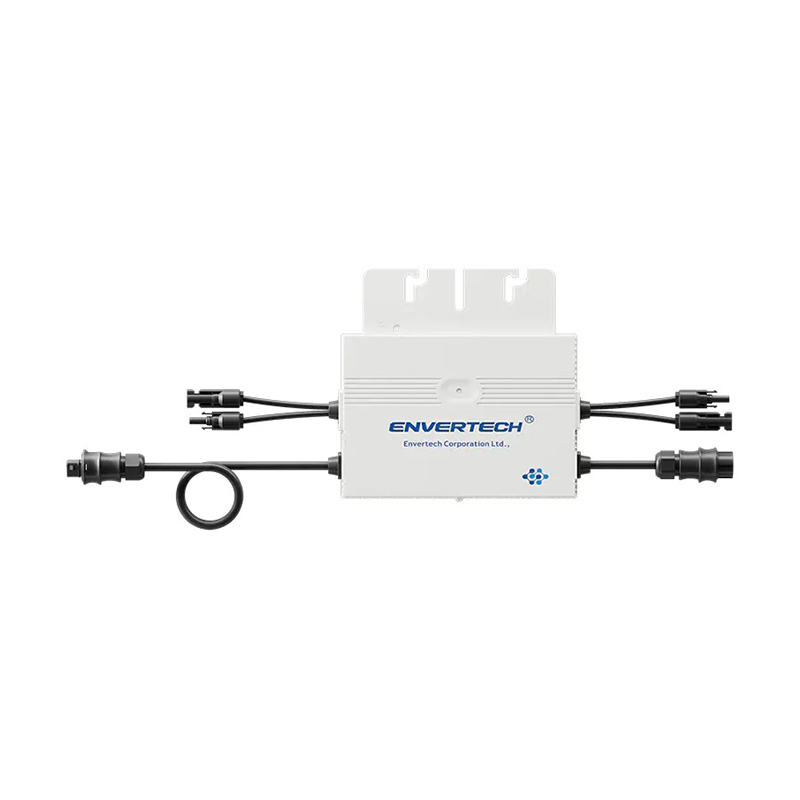
These advantages compound over the life of the system. A 25-year micro inverter warranty aligns with the warranted life of modern PV modules, avoiding the mid-life inverter replacement that is common with central units. For a system that starts at 8 kW but is expected to grow to 12 kW, modular expansion means no oversized inverter purchase at the beginning. SEETEK's Envertech EVT2000W micro inverter is rated for larger residential and small commercial arrays, so the same panel-level architecture can scale without multiplying installation work.
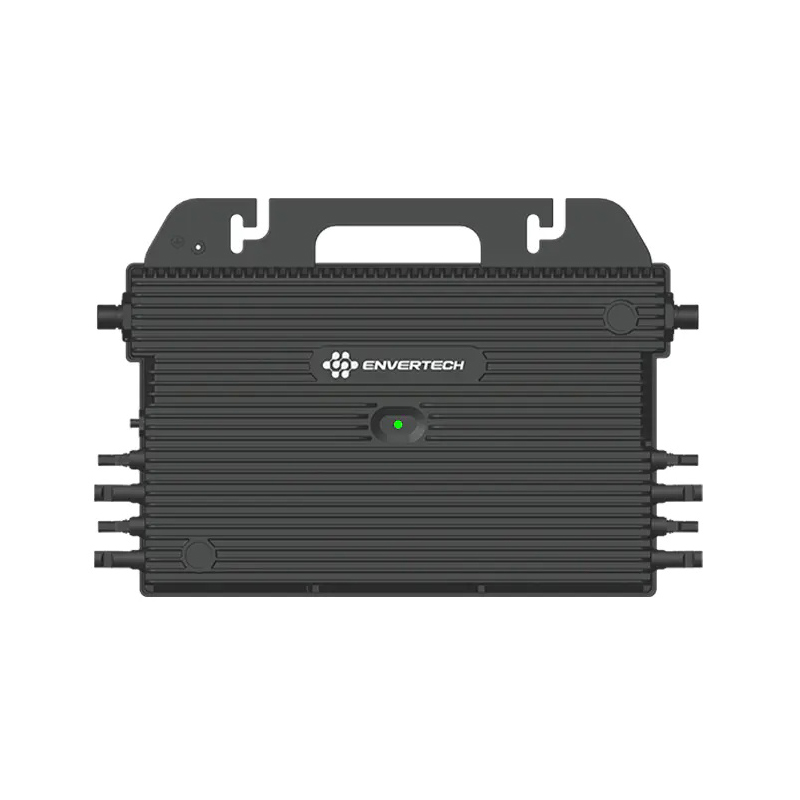 Envertech EVT2000W Micro Inverter Suppliers, Distributors - Seetek Power InternaSEETEK is Envertech EVT2000W Micro Inverter Supplier and Distributor, Envertech EVT2000W Micro Inverter for sale, The Envertech EVT2000W ...View Product →
Where Micro Inverters Make the Most Sense
Micro inverters earn their cost in specific conditions: partly shaded roofs, roofs with panels facing different orientations, and installations where the owner wants the highest possible uptime and the clearest access to production data. A typical case is a compact urban house with a 3 kW to 4 kW roof split across two slopes. The Envertech EVT360W micro inverter fits that segment cleanly; it matches standard 60-cell modules around 360 W and attaches to a single panel, so a two-plane installation behaves like two independent single-panel systems. On a large unshaded industrial roof, however, a three-phase string inverter with well-planned MPPT channels still offers the strongest return on investment. The right choice depends on the roof, not on which technology is newer.
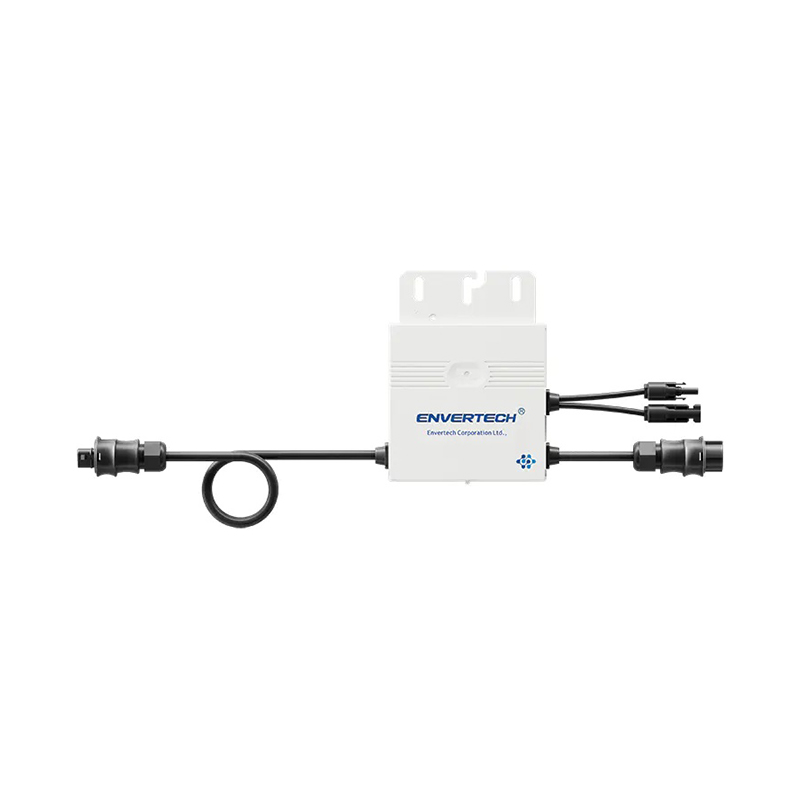 Envertech EVT360W Micro Inverter Suppliers, Distributors - Seetek Power InternatSEETEK is Envertech EVT360W Micro Inverter Supplier and Distributor, Envertech EVT360W Micro Inverter for sale, The Envertech EVT360W mic...View Product →
What to Look for When Buying Micro Inverters
Spec sheets look similar at a glance, so focus on the numbers that change project outcomes:
- Peak efficiency — look for 95% or higher; the difference between 95% and 97% matters over a 25-year production profile.
- Input voltage range — verify that the inverter's MPPT window covers your module's Vmp under high summer temperatures and cold winter mornings.
- Communications — built-in Wi-Fi, PLC, or gateway support determines how easily installer and owner receive per-panel data.
- Certifications — check EN 50549 or VDE-AR-N 4105 compliance for European markets, UL 1741 for North America, and local grid code approvals.
- Warranty terms — compare the replacement policy, not just the number of years; a 25-year warranty with full replacement for the first 10 years is typical of well-established suppliers.
Module-inverter compatibility deserves more attention than any other criterion. Modern high-power modules exceed the DC input limits of older micro inverters, which causes early clipping and lost production. The Envertech EVT600W micro inverter, with its 600 W AC output, is a clean pairing for the current generation of 560 W to 600 W modules, with enough headroom for cold-weather voltage spikes. For distributors, the installed system cost also matters: micro inverters remove string combiner logic, reduce DC isolator requirements, and speed up commissioning, so the final price gap versus a central inverter is often smaller than the hardware comparison suggests.
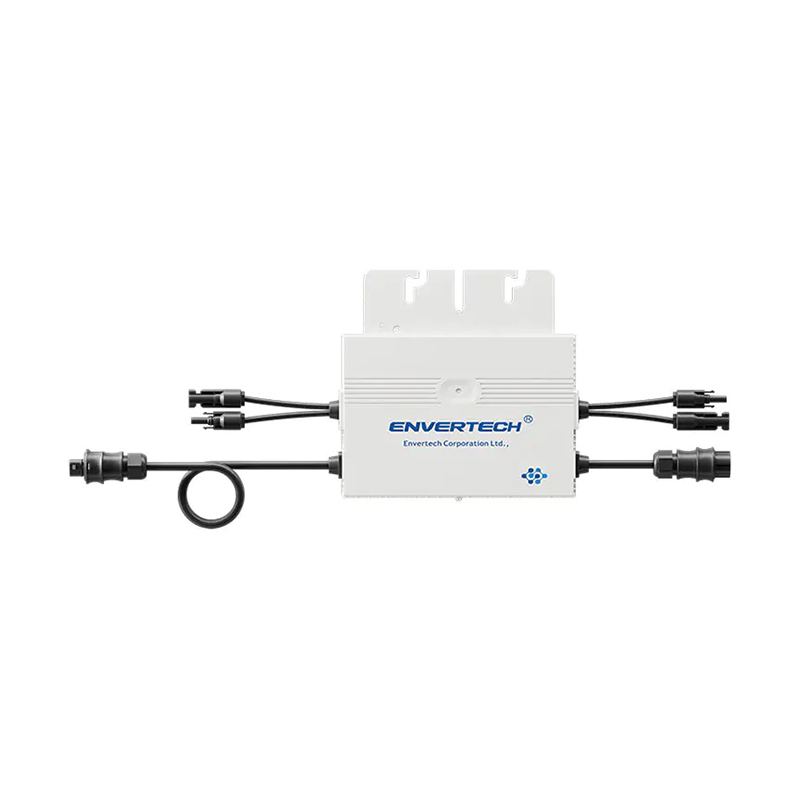 Envertech EVT600W Micro Inverter Suppliers, Distributors - Seetek Power InternatSEETEK is Envertech EVT600W Micro Inverter Supplier and Distributor, Envertech EVT600W Micro Inverter for sale, The Envertech EVT600W mic...View Product →
No single inverter architecture wins every project. For residential and small commercial roofs with real shading, morning-to-evening sun movement across multiple planes, or an owner who wants per-module insight, micro inverters solve a genuine engineering problem with predictable economics. The decision comes down to roof geometry, expansion plans, and how much value you place on monitoring granularity and warranty depth. SEETEK Power supplies the Envertech micro inverter family alongside Deye hybrid and string inverters, storage batteries, and solar panels, and helps distributors match the inverter architecture to their regional installation patterns.


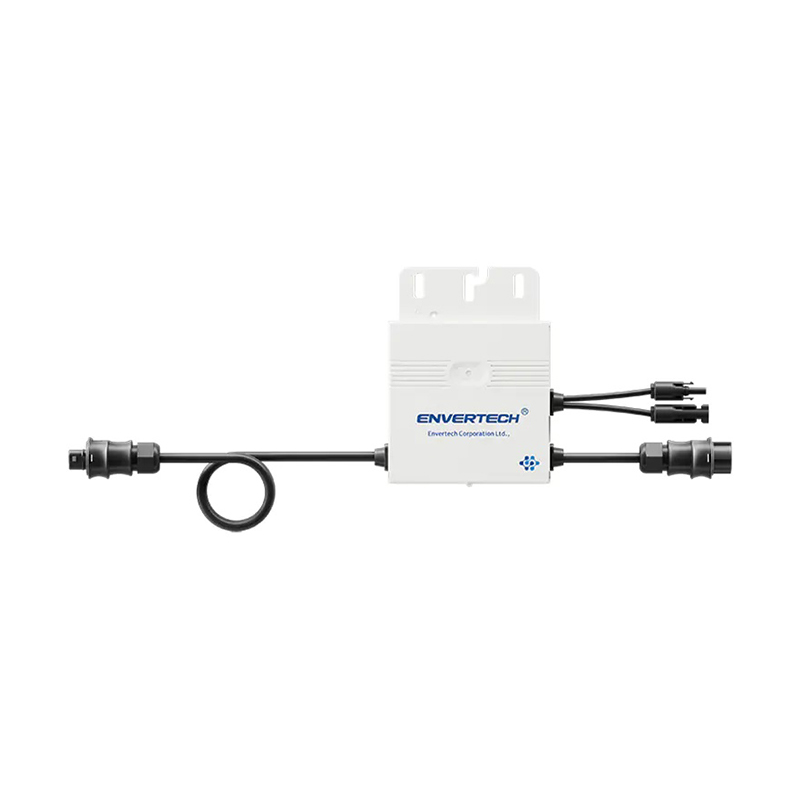







3+ Branch Offices
1+ Factory
Required fields are marked


Copyright @ Hangzhou Seetek New Energy Sci-tech Co., LtD. All rights reserved Solar Energy Storage Solution Solar Energy Storage Products Supplier
