


 Français
 2026.08.19
Building-Integrated Photovoltaics: A Practical Guide for Project Buyers
Content
A commercial building in Frankfurt swaps its curtain-wall cladding for photovoltaic glass. A homeowner near Lyon covers a south-facing roof with solar shingles that mimic slate. A logistics operator in Denver installs a photovoltaic canopy that powers its vehicle charging bays. Building-integrated photovoltaics (BIPV) has moved from academic papers into real-world specification and procurement.
The conclusion up front: BIPV delivers genuine value when it is treated as an engineered building system rather than a product swap. Successful projects are the ones where the architecture and the electrical design are decided together, and where the inverter, battery, and power-management hardware receive the same attention as the visible PV surface.
What counts as building-integrated photovoltaics
BIPV refers to photovoltaic materials that replace conventional building envelope components. A solar shingle is a roof covering that also generates electricity; a PV facade panel is both a weather barrier and a power source; a photovoltaic window lets in daylight while producing energy. The key difference from the more common building-applied PV (BAPV) is that BIPV is part of the building structure itself, whereas BAPV modules are mounted on top of an already completed roof or facade.
The boundary is not always crisp. Flush-mounted rooftop modules behave like BIPV in many installations. Some manufacturers sell integrated tile systems that sit between rows of standard modules to create a uniform roofline. What matters for a buyer is whether the product can carry the structural, weatherproofing, and aesthetic duties assigned to that part of the building envelope.
| Form | Typical location | Main strength | Key trade-off |
|---|---|---|---|
| Solar shingles and tiles | Residential and low-rise roofs | Clean appearance; replaces roof covering | Higher cost per watt than rack-mounted panels |
| Facade panels | Commercial and institutional buildings | Design integration on vertical surfaces | Lower annual yield due to tilt and heat |
| PV windows and glazing | Office towers, curtain walls, atria | Daylight plus generation | Lower efficiency; transparency limits cell density |
| Canopies and carports | Parking areas, entrances | Dual use of structure | Structural load and wind/snow engineering |
The product form changes the electrical design. A facade installation runs hotter and has different ventilation than an open rooftop. A semi-transparent window generates less per square meter. These differences affect inverter sizing, string layout, and yield forecasting long before the modules are ordered.
Why project teams choose BIPV
The first reason is dual function: the building material would be purchased anyway, so BIPV replaces a construction cost instead of adding purely new cost. The second is aesthetics, which is often decisive in urban projects where visible rooftop racking is restricted or unwanted. The third is regulatory pressure. European building energy codes and tightening local rules in several markets are pushing new and renovated buildings toward on-site generation, and BIPV satisfies both energy and architectural requirements at the same time.
There is also a spatial argument. BIPV uses the building envelope, so it does not compete with roof space for HVAC equipment, skylights, or maintenance access. For a dense commercial building, the facade may be the only unshaded surface available. The yield per square meter may be lower than a perfectly tilted ground array, but it is generation that would not exist otherwise.
The challenges behind the showcase projects
BIPV is not a low-cost shortcut to solar. Buyers should evaluate it with engineering expectations, not brochure language. Four issues dominate actual project discussions.
Cost per watt remains higher
BIPV products include the cost of glazing, framing, waterproofing, and architectural finishes in addition to the cells. Depending on the product category, the installed cost per watt is noticeably higher than a conventional rooftop system using standard modules. The economic case closes only when the cost of the replaced building material, the aesthetic value, or the regulatory benefit is included in the calculation.
Heat and ventilation reduce output
Facade-integrated modules run hotter than open-rack modules because airflow behind them is restricted. Higher cell temperature lowers voltage and efficiency. The same module technology that performs well on a ventilated rooftop can lose several percentage points of annual yield when integrated into a wall. This must be reflected in the yield model from the start.
Interface details determine durability
The risk in BIPV is rarely the solar cell; it is the junction between the PV unit and the building. A water leak around a solar shingle or a junction box embedded inside a facade cavity is expensive to repair. Buyers should confirm that the product carries a warranty for both its power output and its building function, and that the installation crew is qualified for the roofing or facade work as well as the electrical work.
Approvals add lead time
Because BIPV is part of the building envelope, it falls under building permits, fire safety rules, and electrical codes. Approval cycles are longer than for a simple rooftop retrofit. Documentation must satisfy both the building inspector and the grid connection process, and the project timeline should reflect that.
What to evaluate when specifying the power system
Once the visual and structural choices are made, the electrical system still needs to be engineered. The following points are the ones that arise most often in real procurement conversations.
Module technology
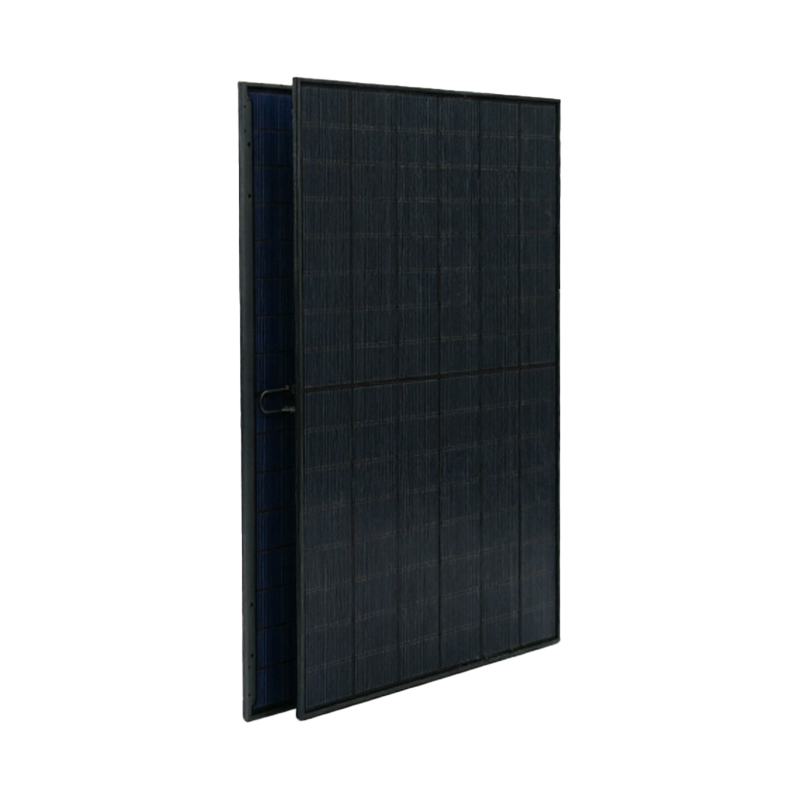
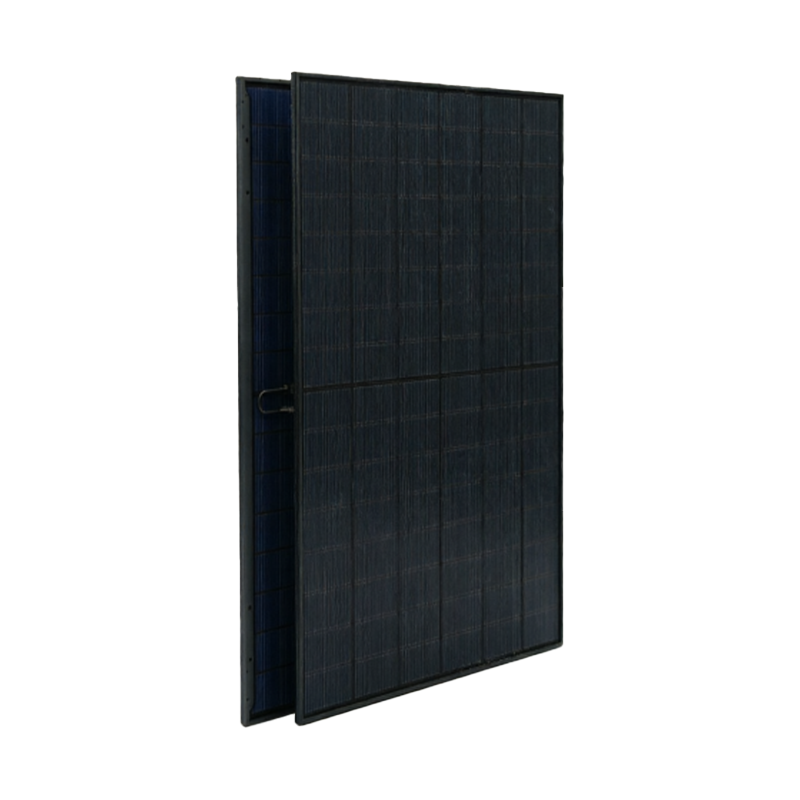
BIPV products increasingly use the same high-efficiency cell technologies as standard panels. N-type cells with TOPCon or HJT architectures offer better temperature coefficients, which is relevant for facade integration where heat dissipation is weak. Because the glass and cell layout determine the visual finish, the selection conversation should balance appearance and output in the same meeting.
Inverter architecture
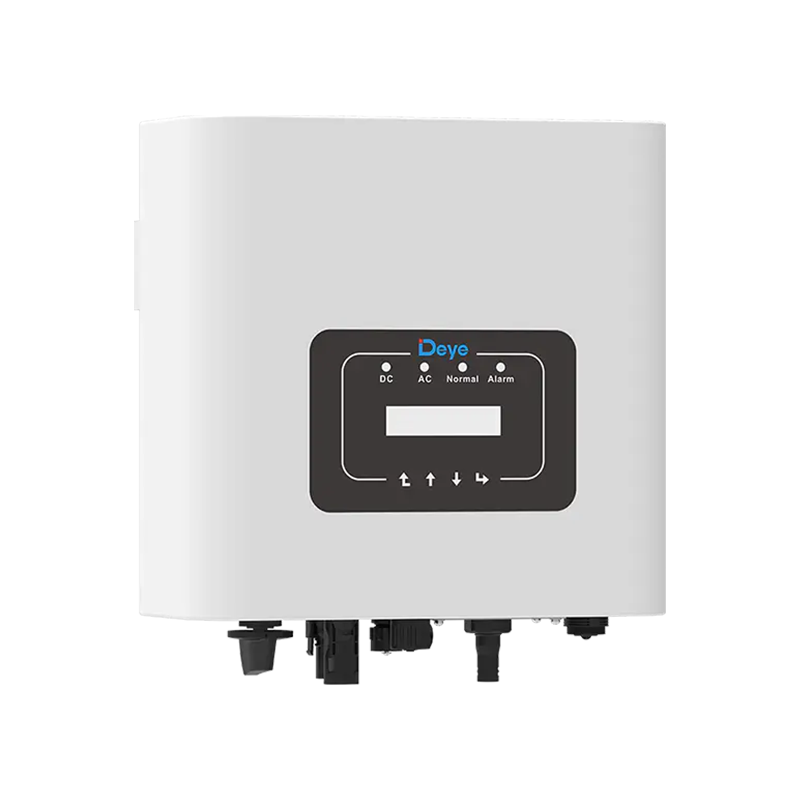
Smaller BIPV roofs are often paired with a single hybrid inverter that manages PV input, battery, and grid interaction. Larger facade installations use multiple string inverters or microinverters, depending on string lengths and shading patterns. The inverter must match the DC input voltage of the BIPV string and provide the monitoring the owner expects. For a residential or small commercial BIPV project, a practical starting point is the Deye three-phase low-voltage hybrid inverter, which couples the PV array, battery, and grid in one unit and leaves room for expanding the battery bank later.
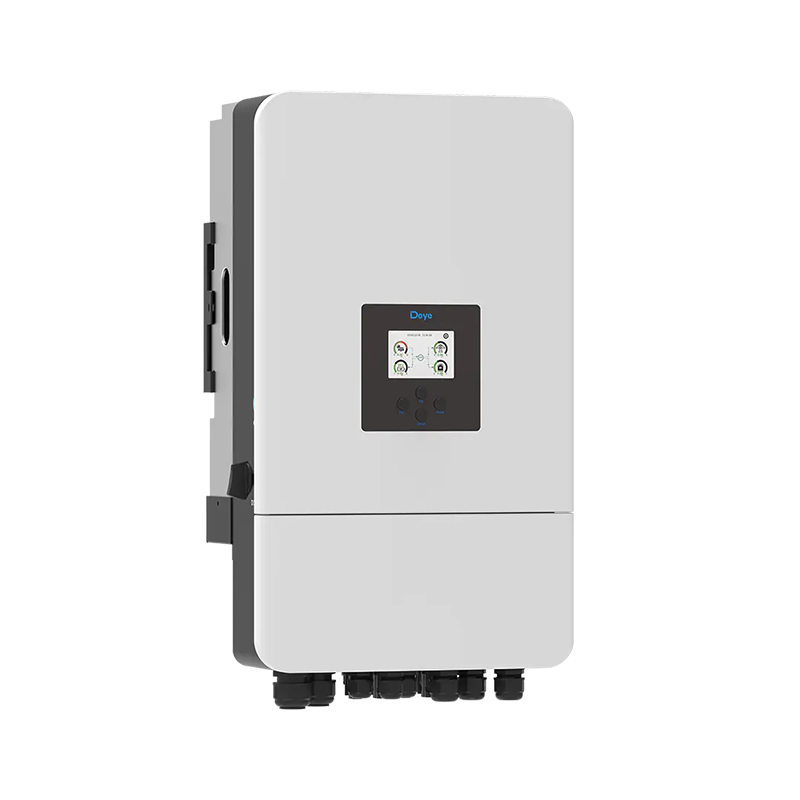 Deye SUN-10K-SG05LP3-EU-SM2 Three Phase Low Voltage Hybrid Inverter Suppliers, DSEETEK is Deye SUN-10K-SG05LP3-EU-SM2 Three Phase Low Voltage Hybrid Inverter Supplier and Distributor, Deye SUN-10K-SG05LP3-EU-SM2 Three...View Product →
Battery and load matching
BIPV generates during daylight hours, but building loads often extend into the evening. Adding a battery shifts solar output into the consumption period, which improves the economics for both residential and commercial owners. This matters most in markets with weak feed-in tariffs or time-of-use pricing. The general rationale for pairing storage with generation is covered in this summary of solar-plus-storage benefits, and the same logic applies to BIPV with one extra note: a suboptimal facade orientation makes storage more valuable, not less.
For residential BIPV roofs in the 5 to 15 kWh range, the Deye SE-G5.1 Pro-B low-voltage battery stacks with the hybrid inverter and follows the daytime generation, evening consumption cycle that defines most household profiles.
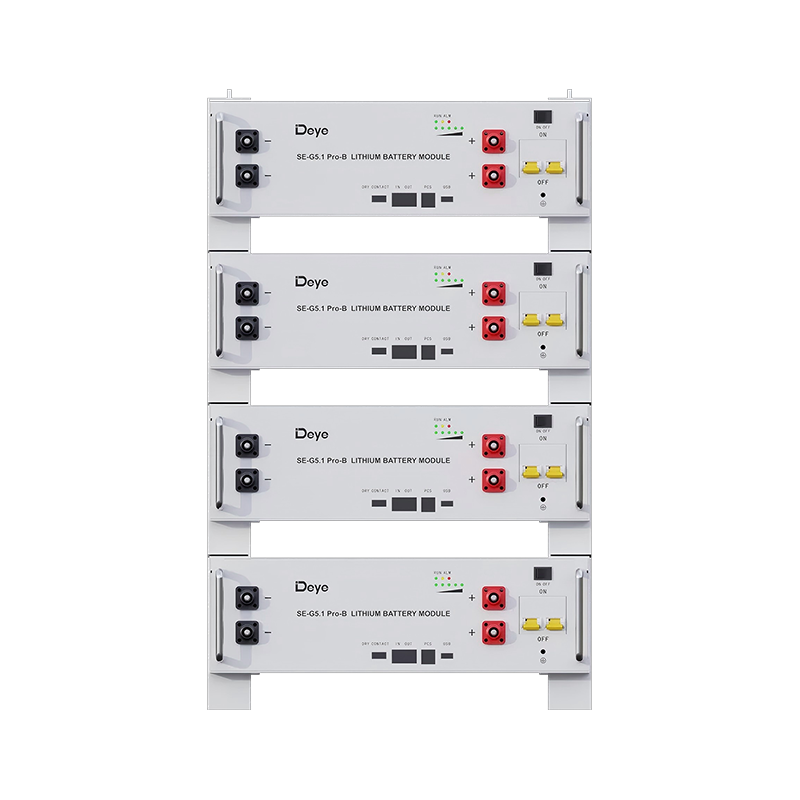 Deye SE-G5.1 Pro B LV battery Suppliers, Distributors - Seetek Power InternationSEETEK is Deye SE-G5.1 Pro B LV battery Supplier and Distributor, Deye SE-G5.1 Pro B LV battery for sale, The SE-G5.1 Pro B LV Battery is...View Product →
EV charging as a planned load
Buildings that adopt BIPV are often the same buildings where the owner plans an electric vehicle charger. A smart charger that schedules charging during solar production turns an intermittent generation pattern into a predictable load. Pairing a BIPV envelope with a Deye smart AC wallbox charger lets the owner charge from the roof or facade while avoiding peak grid tariffs.
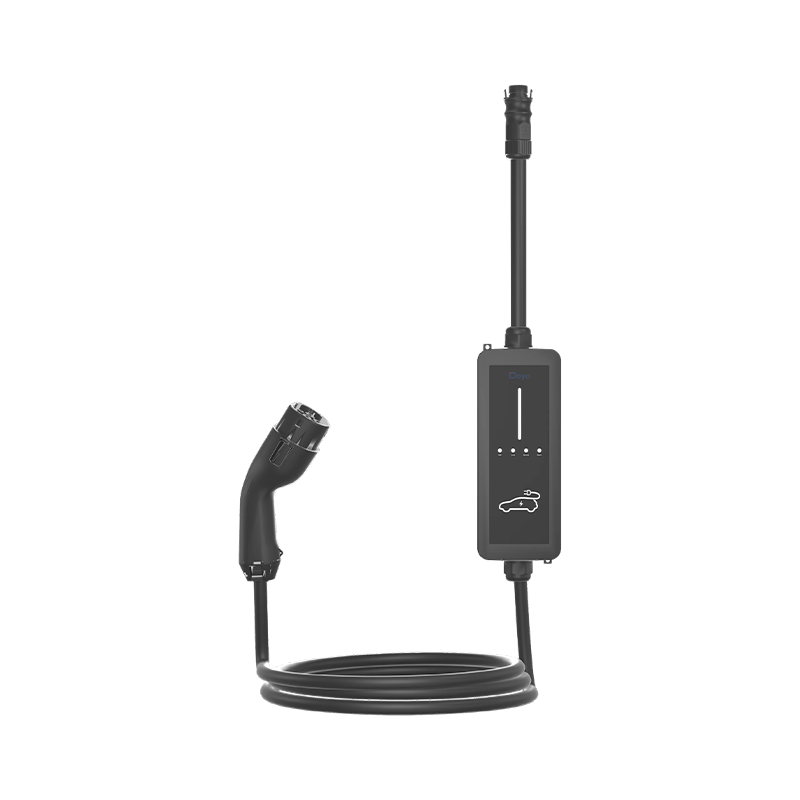 Deye EV Charger Wallbox Suppliers, SUN-EVSE22K01-EU-AC AC EV Charger DistributorAs Deye EV Charger Wallbox Suppliers and SUN-EVSE22K01-EU-AC EV Charger Distributor, SEETEK offer Deye Smart Wallbox | SUN-EVSE22K01-EU-A...View Product →
The system behind the visible surface
What separates a reliable BIPV project from a disappointing one is usually not the PV surface. It is the balance-of-system design: DC cabling, surge protection, disconnects, inverters, monitoring, and the coordination between them. Once the DC circuits leave the building skin, the system is entirely conventional.
This is where a broad supply portfolio creates a practical advantage. A project team that sources the integrated PV surface, the hybrid inverter, the storage battery, and the monitoring equipment from one channel avoids interface mismatches and can hold a single supplier accountable for compatibility. SEETEK Power supplies PV modules, Deye inverters and batteries, and the surrounding components in matched configurations, which shortens engineering time for integrators and gives buyers one contact point across procurement.
Where BIPV is heading
Two trends will shape BIPV through the rest of this decade. The first is cost convergence: as BIPV production volumes grow and cell costs continue to fall, the premium over conventional cladding is narrowing, bringing more projects across the economic threshold. The second is regulation, as building codes in Europe and parts of North America keep raising the expectation that new building envelopes generate power.
For installers and distributors, the practical takeaway is to build competence around integrated PV systems now. The electrical skills are the same; what changes is the interface with the building structure and the need to join the discussion early in the design phase. The broader solar market is also shifting toward higher-efficiency modules and smarter power management, so the components specified for BIPV should not be chosen in isolation.
The bottom line: BIPV is a real building solution with specific engineering constraints, and it rewards teams that plan for them. Select the right integrated surface, size the electrical system around its actual output, add storage where the load profile requires it, and the building gains a durable, attractive, power-generating envelope.







3+ Branch Offices
1+ Factory
Required fields are marked


Copyright @ Hangzhou Seetek New Energy Sci-tech Co., LtD. All rights reserved Solar Energy Storage Solution Solar Energy Storage Products Supplier
