


 Français
 2026.09.02
Upgrading from Deye SG04/SG05 to SG06: What Installers Should Know
Content
Why This Upgrade Question Keeps Coming Up
Anyone who's installed a run of SG04 or SG05 units knows the wiring by muscle memory at this point — where the components sit, how the ground connection is handled, which panel comes off first. That familiarity is exactly why a new platform generation raises questions before it raises interest: will the next job take longer because half the crew has to relearn the layout, and will a client's existing battery still talk to the new box.
Those are reasonable questions. An installer with a currently deployed SG05LP1 unit on a job site isn't going to swap platforms on a hunch. The answer, in practice, is that most of what changes on SG06 units is additive rather than disruptive — a set of specific enhancements worth knowing before the first install, not during it.
The Enhancements That Actually Matter for Existing Installs
Five changes stand out as directly relevant to anyone who's worked with the SG04/SG05 generation before. An integrated ground relay is now built into the unit, removing a component that previously had to be sourced and wired separately on some installs. The LCD panel has been upgraded to a scratch- and wear-resistant version, which matters less on install day and more over years of field service in dusty or exposed mounting locations.
Bypass current has been upgraded across the range, improving stability under high loads without requiring any change to how the unit is wired into the panel. High-altitude adaptability and quieter operation round out the list — both are covered in more depth elsewhere, but both are relevant to a technician deciding whether a specific SG06 model changes anything about a site that was previously ruled out on an SG05 unit's altitude or noise rating.
Why SiC Technology Is Behind Most of These Changes
Most of what shows up as "smaller, lighter, quieter" on a spec sheet traces back to one underlying change: SG06 units replace the IGBTs used in SG04/SG05 designs with silicon carbide (SiC) MOSFETs, switching at up to 50kHz compared to the 15-20kHz typical of the older platform.
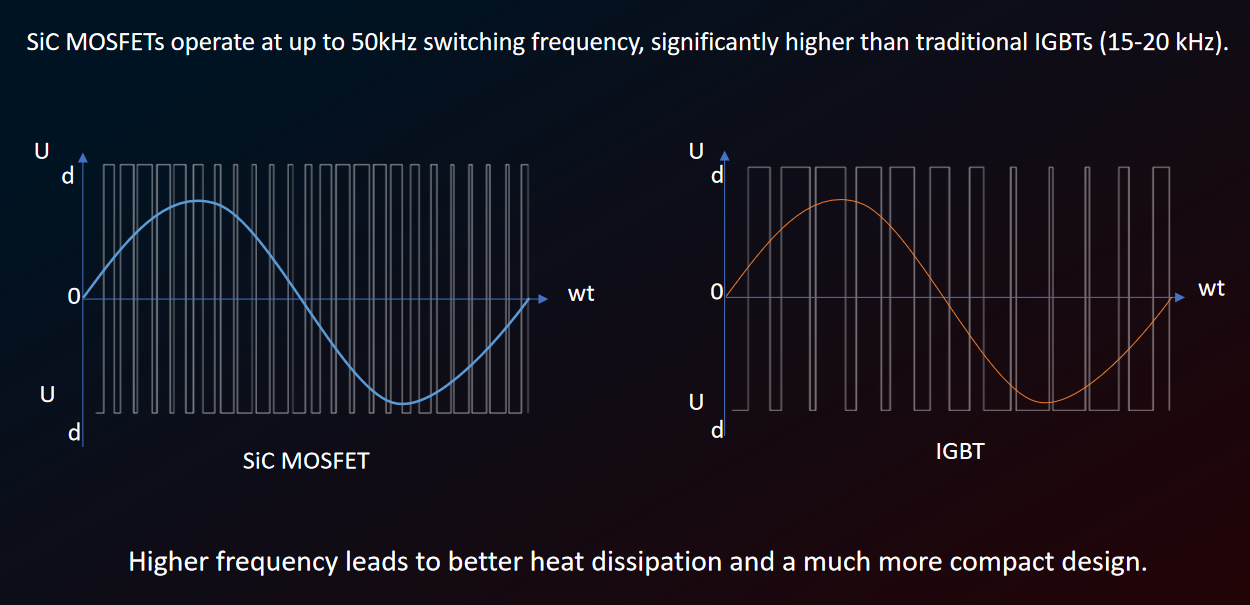
Higher switching frequency means smaller internal filtering components and less heat generated per cycle — which is also why the bypass current and altitude improvements mentioned above are possible without a larger heatsink or a bigger enclosure. For an installer, this is mostly background context rather than something that changes a job in progress, but it explains why the physical footprint shrinks at the same time the electrical specs improve, rather than one coming at the expense of the other.
Physical Footprint: What Changes in the Cabinet
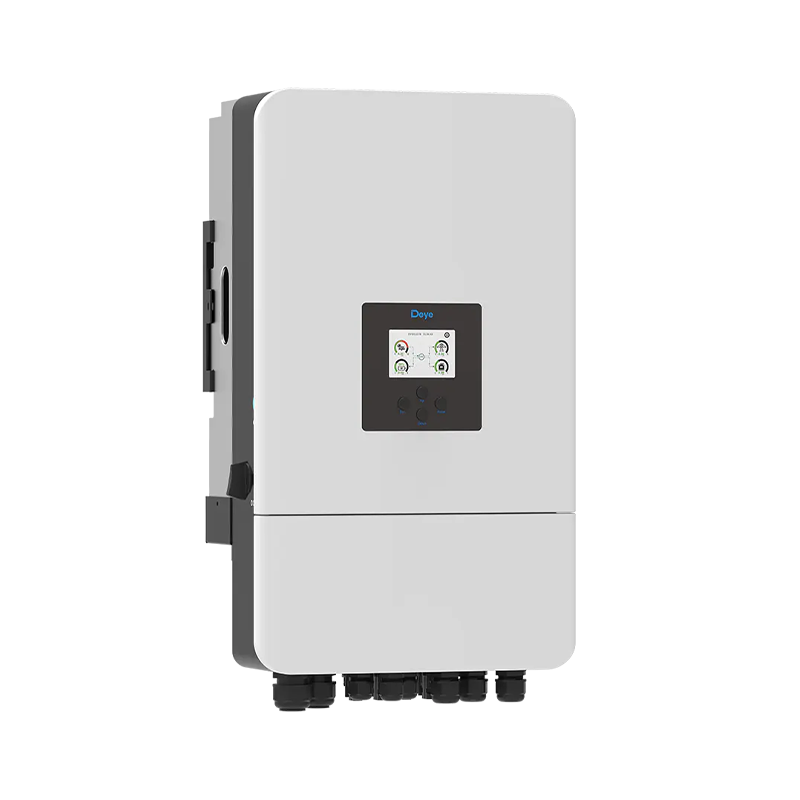
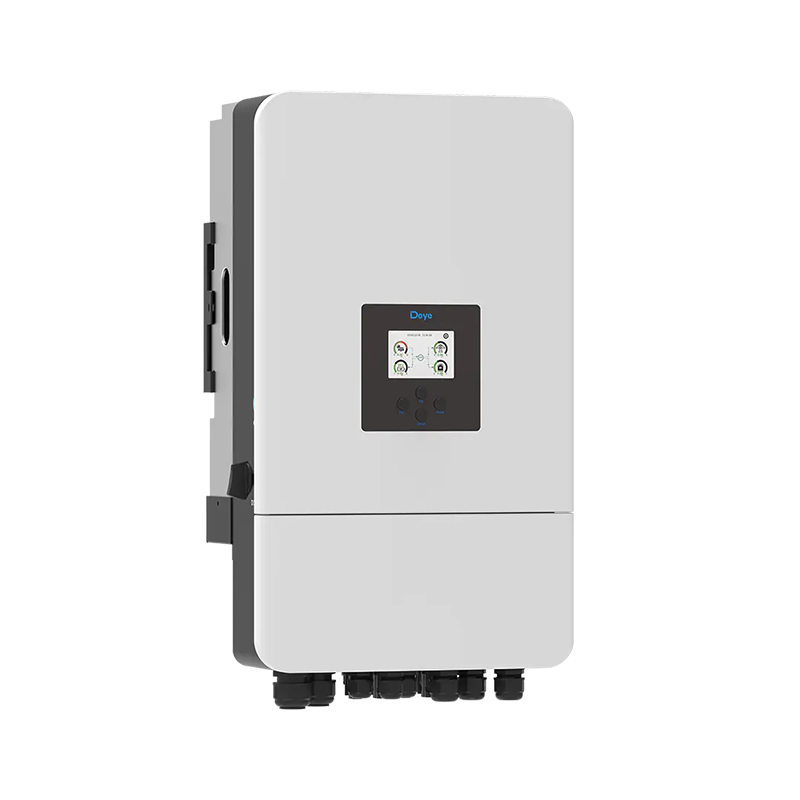
Side by side, the visual difference between SG04/SG05 and SG06 units is immediately obvious — the newer platform is noticeably more compact across every power tier it replaces.
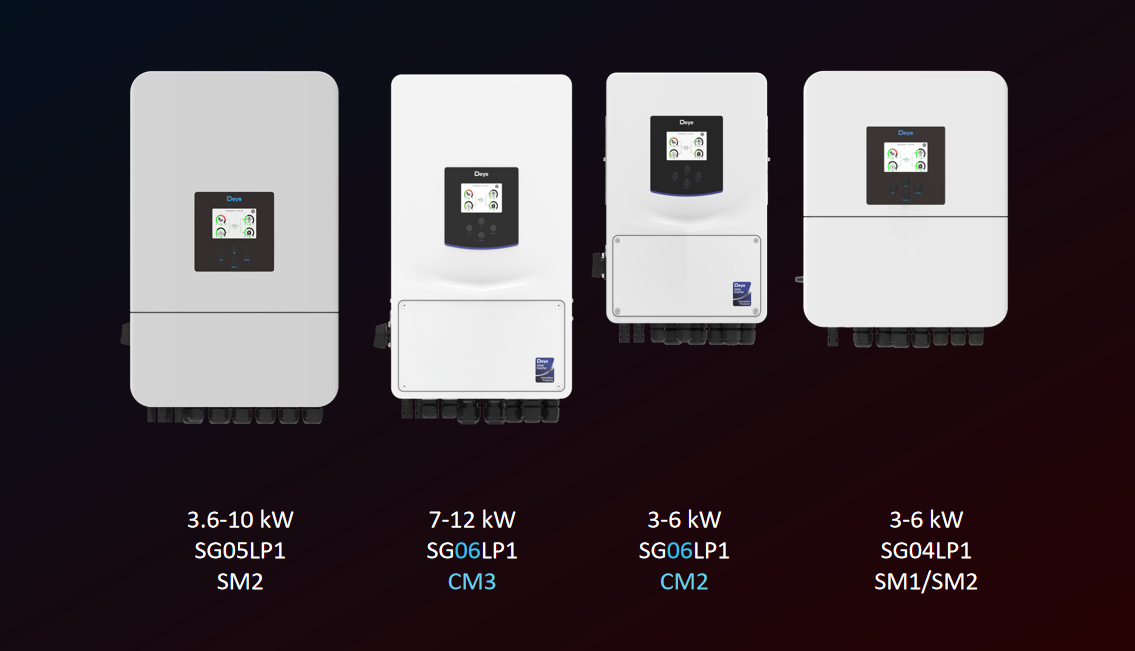
For a crew planning a mounting location on a retrofit job, that smaller footprint often matters more than any electrical spec — a wall cavity or utility closet sized around an older-generation unit may have room to spare with the newer platform, simplifying a mounting job that would otherwise require reworking the space.
Battery and Communication Compatibility
This is usually the first question a client asks: does the existing battery still work. Communication interfaces carry over from the SG04/SG05 generation, so standard BMS communication protocols work without needing different cabling or an adapter on most setups.
Battery chemistry compatibility follows the same pattern — lead-acid and lithium-ion batteries within the appropriate voltage range remain supported, matching what's already documented for an SG05LP3 three-phase installation at the same voltage class. The practical takeaway: a client with a working battery bank on an SG04/SG05 system generally isn't looking at a battery replacement just because the inverter platform changed. It's worth confirming the specific battery model against the SG06 compatibility list before quoting a job, since edge cases with older or less common battery brands can still exist.
A Practical Migration Checklist
Before scheduling an SG06 install on a site that previously ran SG04 or SG05 equipment, a short list of checks avoids most surprises on install day.
- Confirm the existing battery model appears on the SG06 compatibility list, particularly for lead-acid systems or less common lithium brands
- Re-measure the mounting space — the smaller footprint may open up placement options that weren't available with the older unit
- Check whether the site is near or above the SG05 platform's altitude ceiling, since that alone may justify the upgrade regardless of other factors
- Flag noise-sensitive mounting locations where the quieter operation makes a practical difference to the client
- Verify existing monitoring accessories remain compatible with the new unit before assuming a direct swap
None of these checks take long individually, but skipping them on a first SG06 job is where most of the avoidable delays come from. Run through the list once, and the rest of the install proceeds close to identically to an SG04/SG05 job.






3+ Branch Offices
1+ Factory
Required fields are marked


Copyright @ Hangzhou Seetek New Energy Sci-tech Co., LtD. All rights reserved Solar Energy Storage Solution Solar Energy Storage Products Supplier
