


 Français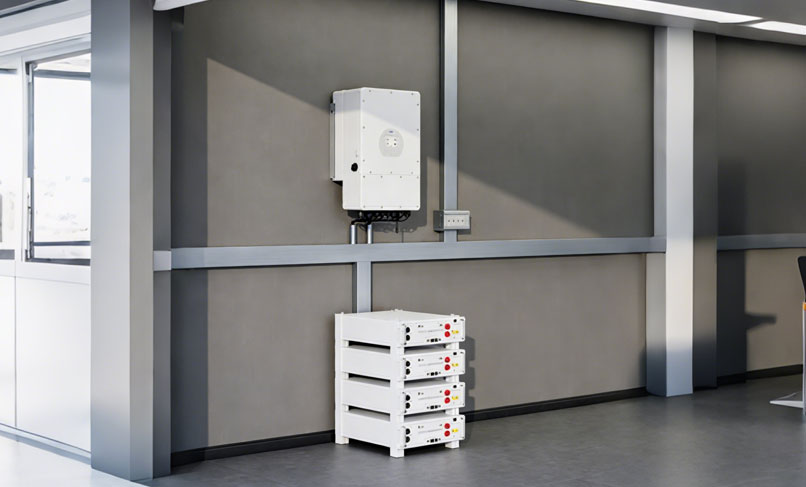

Industry Knowledge
Low Voltage vs High Voltage Solar Battery Storage: What's the Real Difference?
When people hear "low voltage" and "high voltage" batteries, it's easy to assume one is simply better than the other. In reality, the difference is mostly about how the system is architected — and which inverter it's designed to pair with.
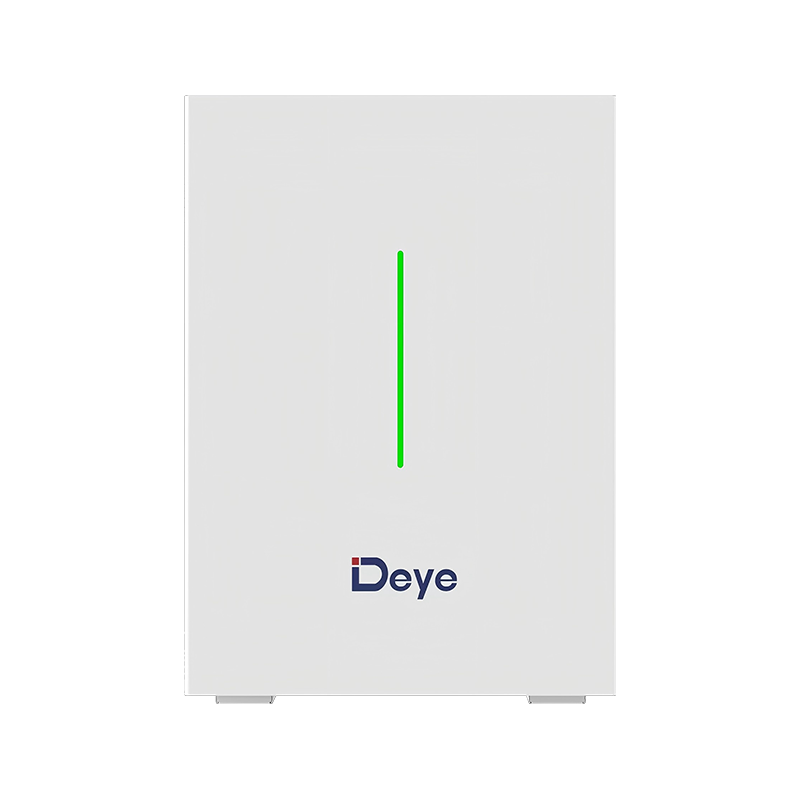
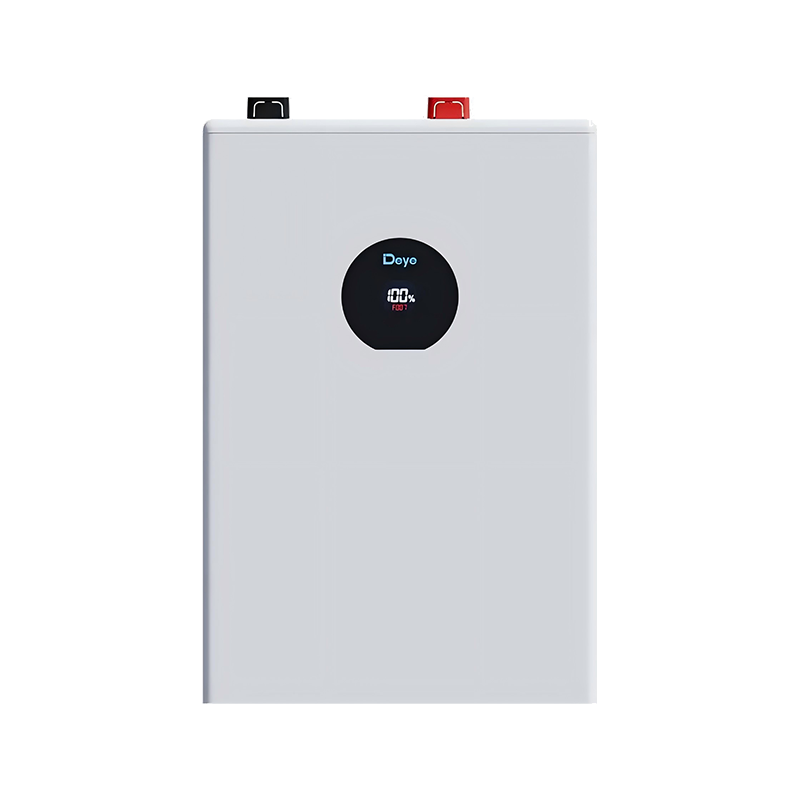
Low voltage (LV) batteries typically operate around a 51.2V nominal level, the same range used by most residential hybrid inverters. They're straightforward to install and well suited to home and small commercial systems where a single battery or a small stack covers the need.
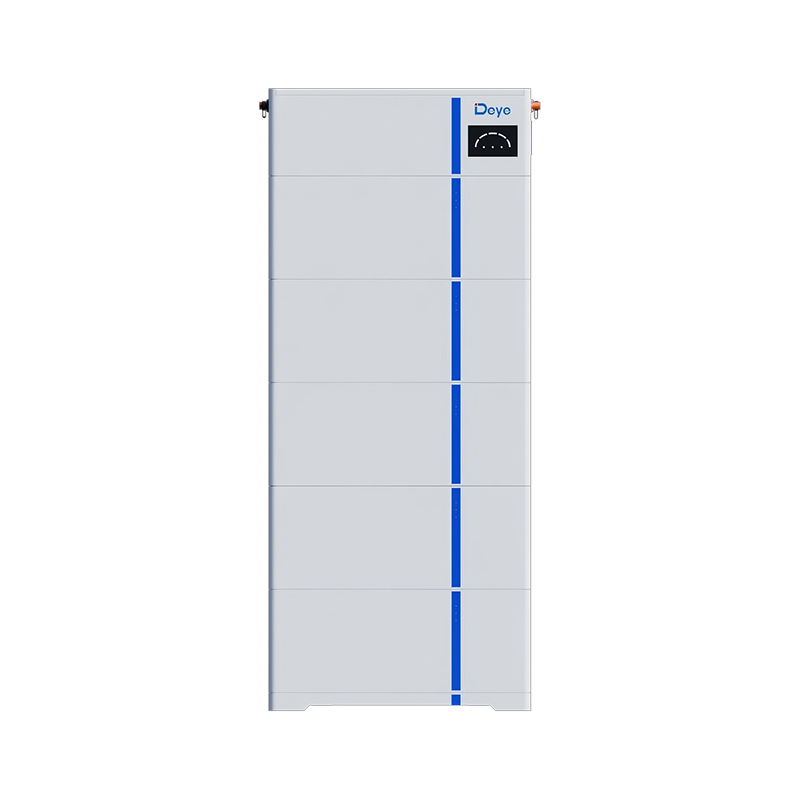
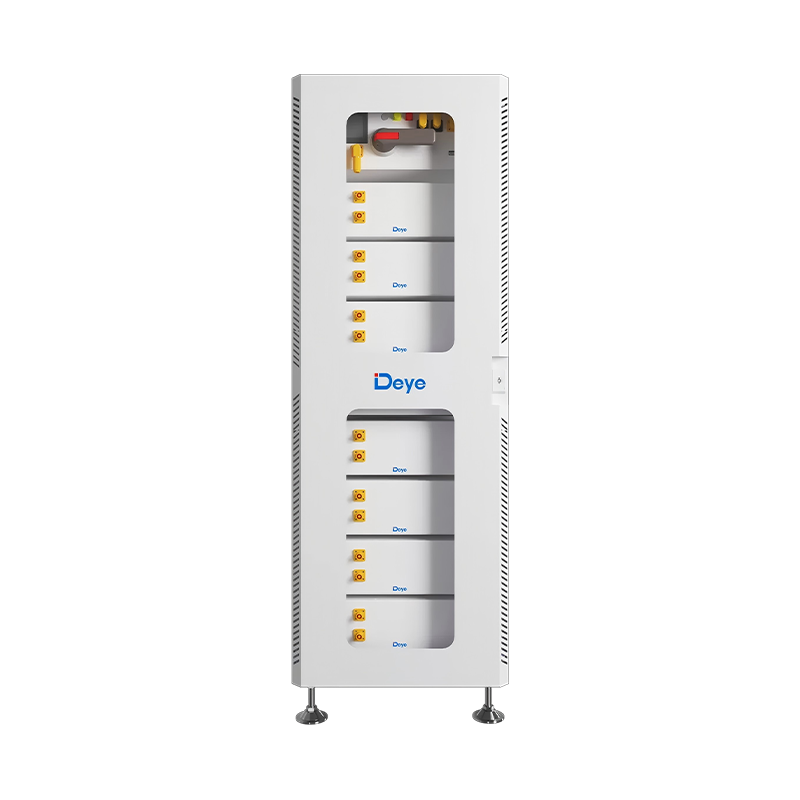
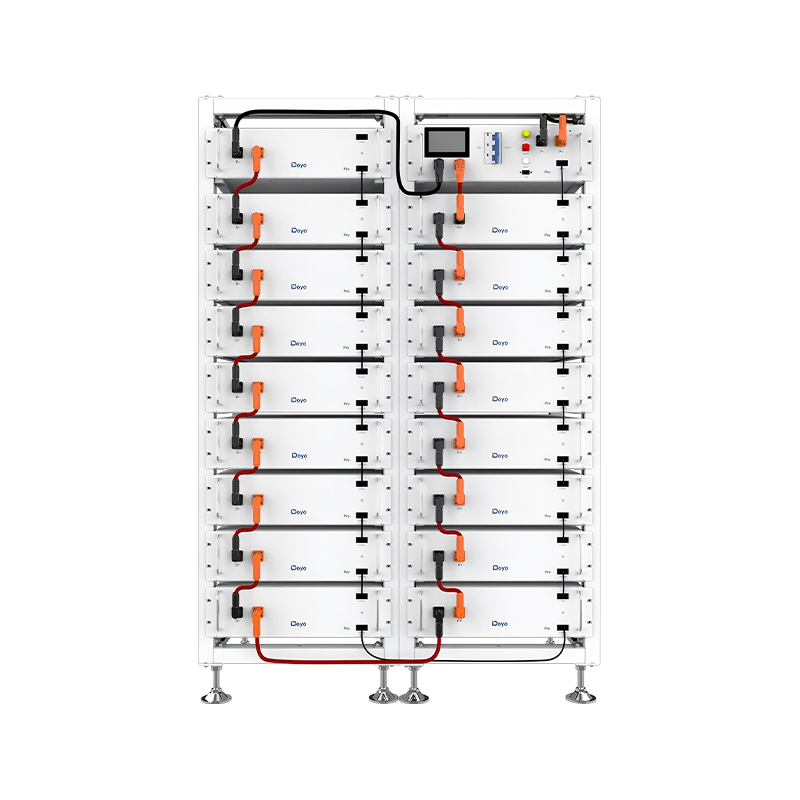
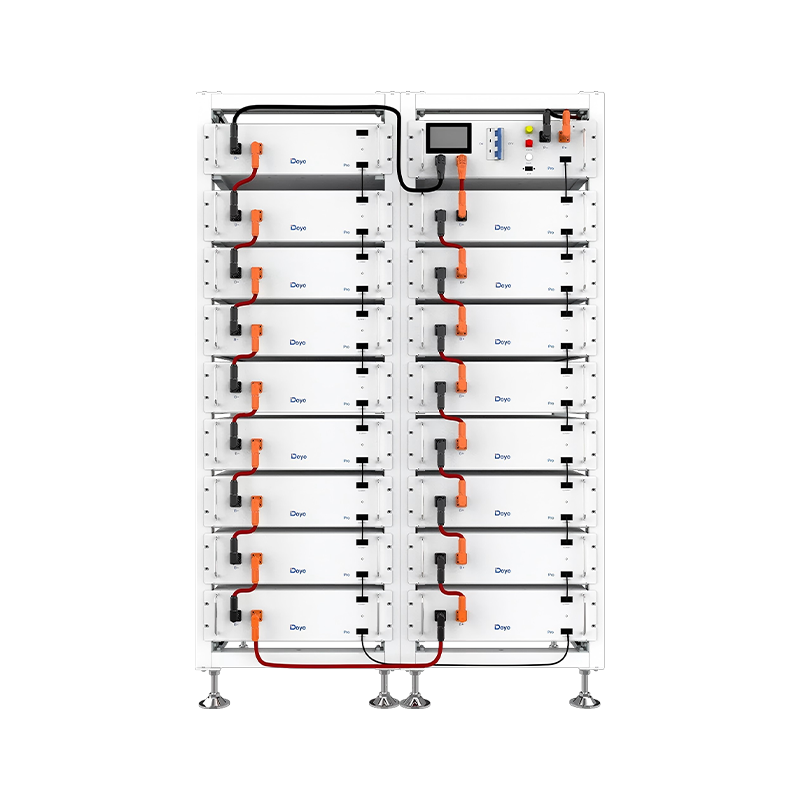
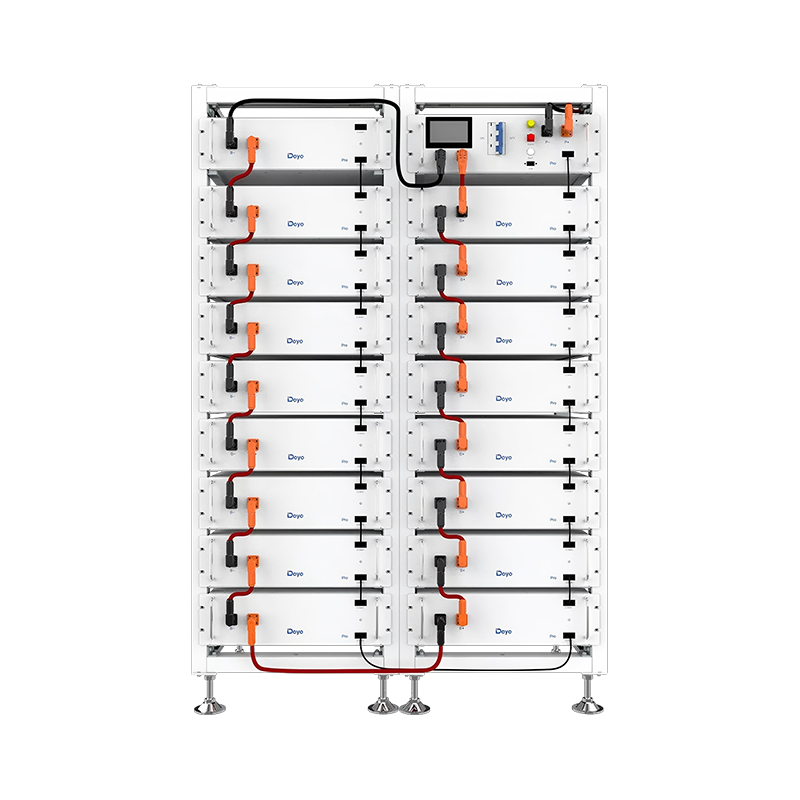
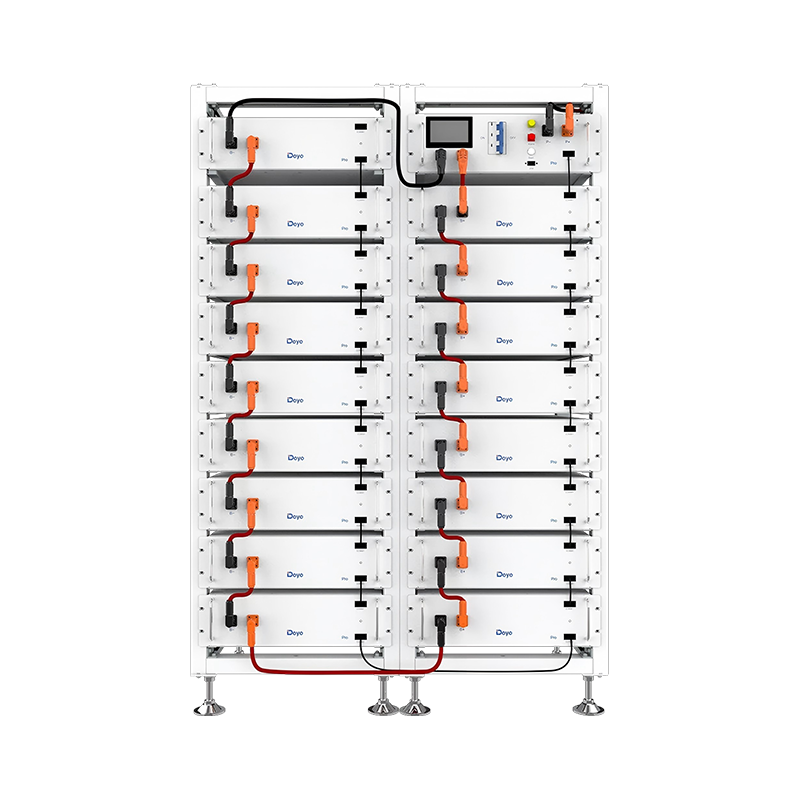
High voltage (HV) systems work differently: individual battery modules — often in the 38-50V range — are connected in series to build up to a much higher system voltage, commonly used in larger residential setups or commercial installations paired with HV-compatible inverters. Matching LV or HV correctly to your inverter's input range is the deciding factor, not which option sounds more advanced. If you're unsure which class your inverter calls for, our team at SEETEK can check this for you.
Modular by Design: How Stackable Battery Packs Let You Scale Storage
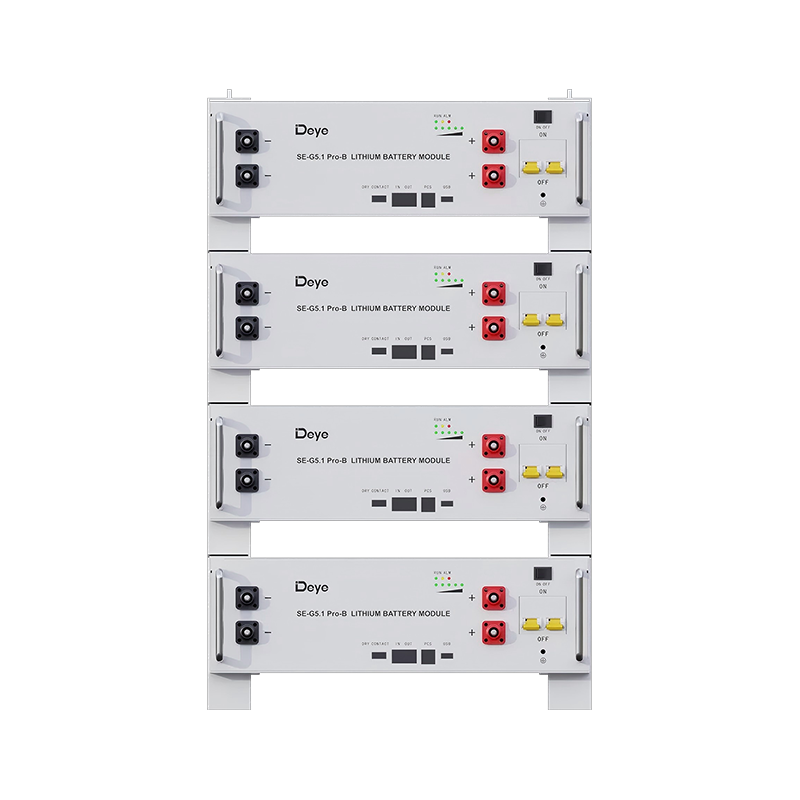
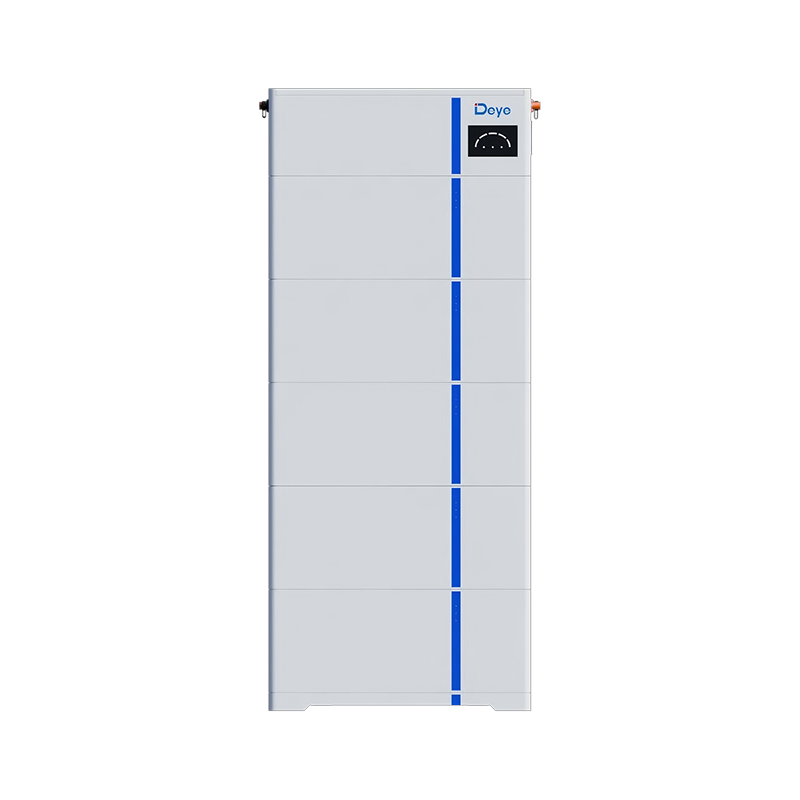
Many of the battery modules in our range — like the BOS-A-Pack7.68 and BOS-B-Pack16-A3 — aren't sold as a single fixed-capacity unit. They're building blocks, designed to be combined in series or parallel to reach the capacity and voltage a project actually needs.
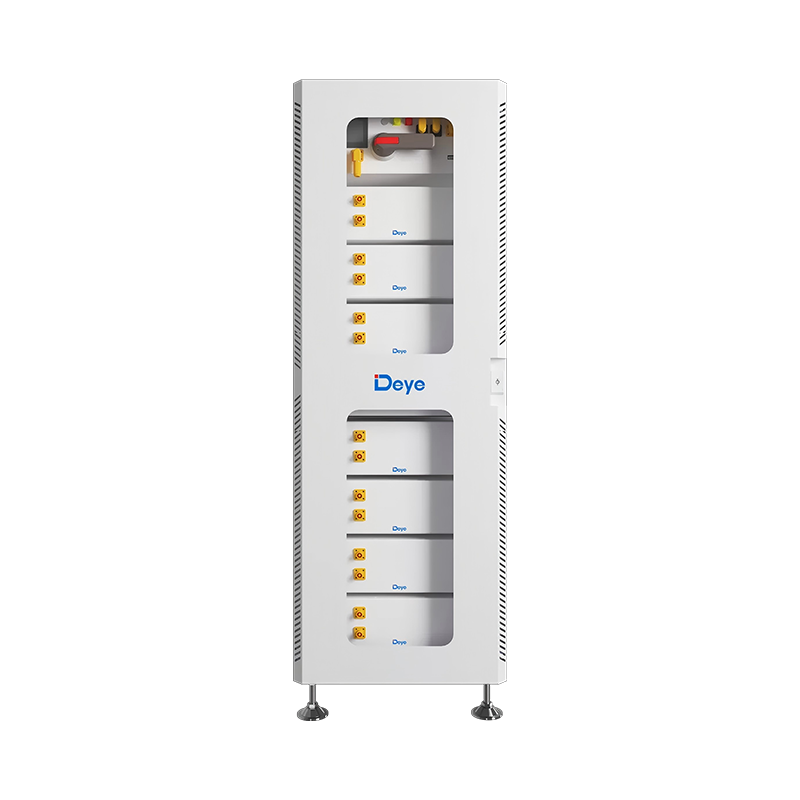
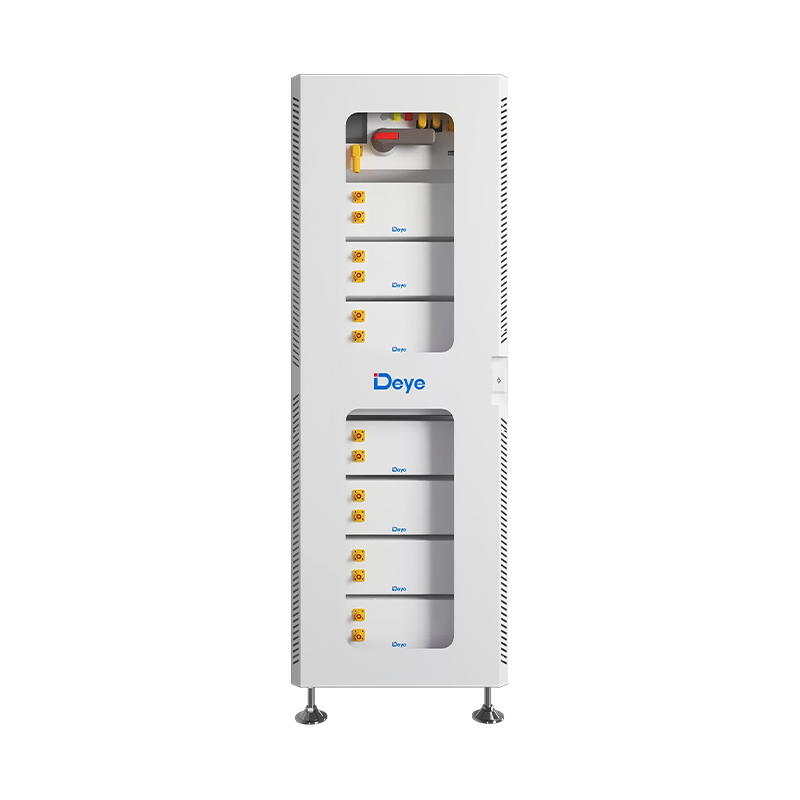
This modular approach has a practical upside: a system can start with the capacity that fits today's budget or load, and additional modules can be added later as needs grow, without replacing what's already installed. For larger commercial systems, this same logic scales up to multi-module battery racks delivering hundreds of kWh.
It also simplifies maintenance — because each module is identical, a single unit can be serviced or swapped without disrupting the rest of the system.
LiFePO4 Explained: Why It's the Standard for Home Storage
Most of the solar energy storage batteries in this range — from compact LV units to large C&I systems — use lithium iron phosphate (LiFePO4, or LFP) cells. Compared to other lithium chemistries, LFP is known for its thermal stability, meaning it's less prone to overheating under stress, and for holding up well over thousands of charge-discharge cycles.
For home energy storage, where a battery might sit indoors or in a garage and is expected to operate daily for many years, that stability and longevity matter more than squeezing out a slightly higher energy density. It's part of why LFP has become the default choice across residential and light commercial storage.
When comparing batteries, checking that a product uses LFP cells is a quick way to confirm it's built around this safety-first chemistry.
Nominal vs Usable Capacity: Understanding Depth of Discharge
A battery's advertised capacity — say, 5.12kWh — represents its total nominal energy storage. But that's not necessarily the same as how much energy you can actually draw from it day to day.
Depth of discharge (DoD) describes how much of that capacity is intended to be used in normal operation. Our SE-F12 LV battery, for example, is rated for a recommended 90% DoD — meaning roughly 10% is reserved as a buffer rather than cycled every day. This buffer helps protect the battery's long-term health rather than running it from completely full to completely empty on every cycle.
When sizing a system, it's worth working from usable capacity rather than the nominal figure on the spec sheet — the gap between the two can meaningfully affect how many hours of backup or how much daily storage a system actually delivers. SEETEK can help walk through this calculation when you're comparing battery options.