


 Français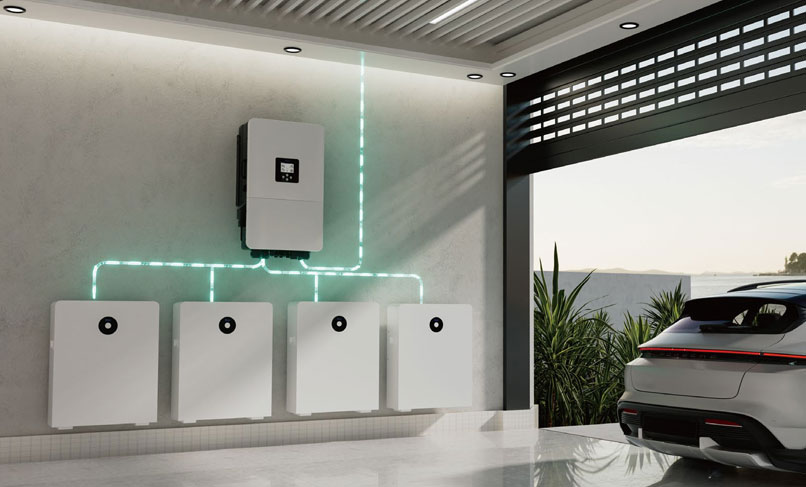

Industry Knowledge
How to Read a Deye Inverter Model Number
Once you know what to look for, a Deye model number tells you most of what you need before you even open the datasheet. Take SUN-12K-SG02LP1-EU-AM3 as an example — every segment carries a piece of information.
- SUN — the product family name used across Deye's inverter range.
- 12K — the rated power output, in this case 12kW.
- SG02 — identifies it as a hybrid model (solar + battery storage), with the number marking the hardware generation.
- LP1 — a low-voltage battery system (under 48V) in single-phase configuration. You'll also see LP3 for three-phase, or HP3 for high-voltage battery setups.
- EU — the target market and grid compliance standard, such as EU or US.
- AM3 — a hardware version or feature-set code that can vary between batches.
The same logic applies across the lineup, with a couple of small swaps: on-grid string inverters use G instead of SG (for example, SUN-80K-G03), while off-grid units carry OG (for example, SUN-6K-OG01LP1). If you're ever unsure which configuration matches your project, our team can help you decode a specific model number and confirm it fits your setup.
Deye Inverter Series Overview: Hybrid, On-Grid & Off-Grid
We carry the full breadth of Deye solar inverter range, and most of it falls into three core series — each built around a different way of using solar energy.
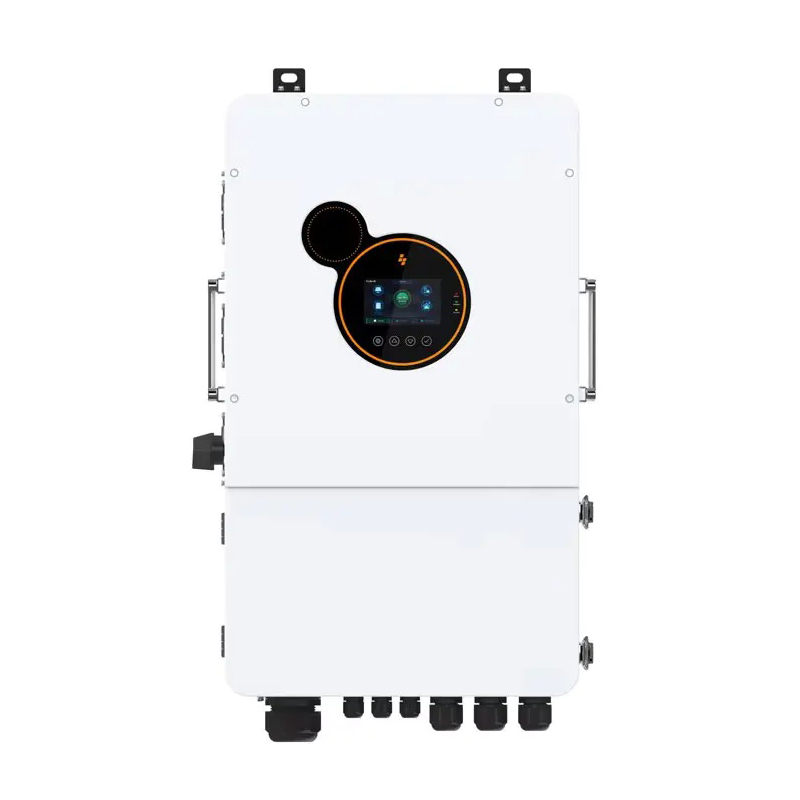
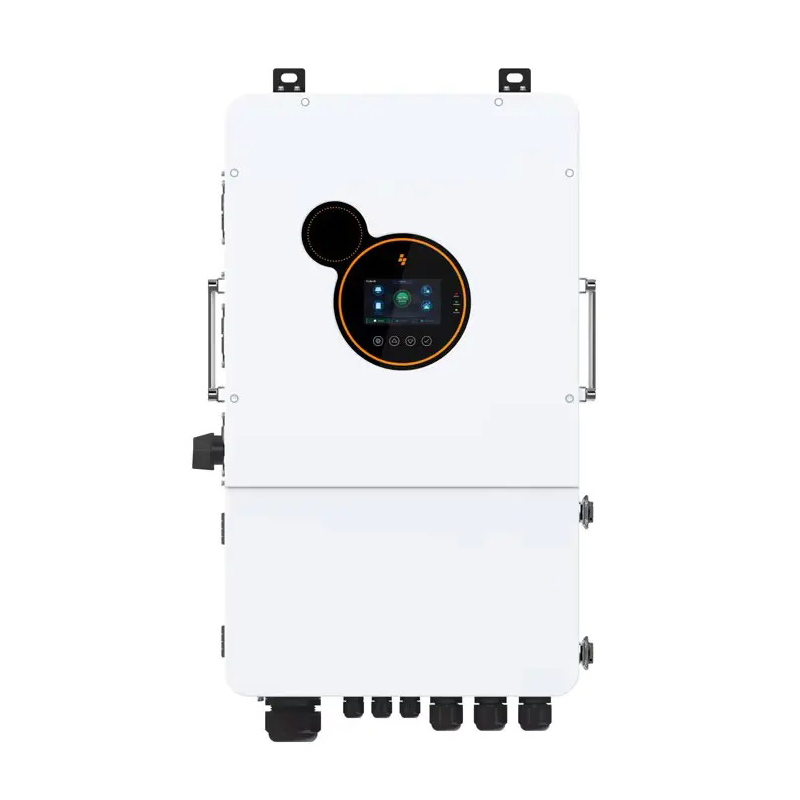
Hybrid inverters (the SG series) bring solar generation and battery storage together in one unit. They let you store excess solar power for later use, keep essential loads running during a grid outage, and shift consumption to off-peak hours. They come in both low-voltage and high-voltage battery configurations, across single-phase and three-phase models.
On-grid string inverters (the G series) connect your solar array directly to the utility grid, without battery storage. This is where Deye's range really stretches — from small rooftop units up to 100kW-plus systems for commercial and industrial roofs, with multiple MPPT inputs to handle arrays facing different directions.
Off-grid inverters (the OG series) are built for sites that don't rely on the utility grid at all, drawing power purely from solar and battery storage. They're a common choice for remote cabins, agricultural sites, or any location where grid access is limited or unreliable.
From Home to Commercial: Matching Inverter Types to Your Project
The right solar inverter comes down to two questions: how much power your system needs to handle, and whether battery storage is part of the plan.
For most homes looking to cut electricity costs and add backup power, a single-phase hybrid inverter in the 5–12kW range paired with a compatible battery covers the job well. Larger homes or small businesses running on three-phase supply usually step up to a three-phase hybrid unit, which handles higher loads and keeps power balanced across all three phases.
If your project is a commercial or industrial roof and battery storage isn't part of the brief, on-grid string inverters are typically the more cost-effective route — Deye's options here scale from tens of kW up to well over 100kW, with the MPPT flexibility to handle larger, more complex arrays.
And for off-grid sites — think remote properties, farms, or installations without a reliable grid connection — an off-grid inverter sized alongside enough battery capacity keeps things running independently, day and night.
Not sure which category fits your project? Send us your power requirements and we'll point you to the right Deye model.