


 Français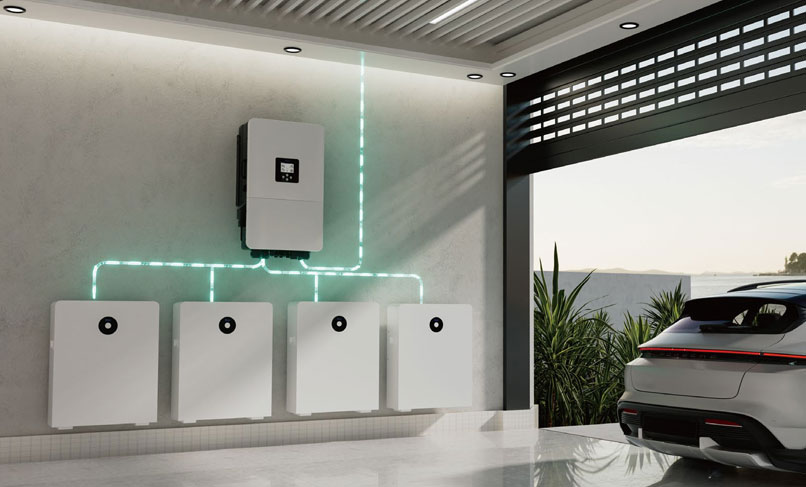


Industry Knowledge
Smarter Energy Use: How Hybrid Inverters Coordinate Solar, Battery and Grid
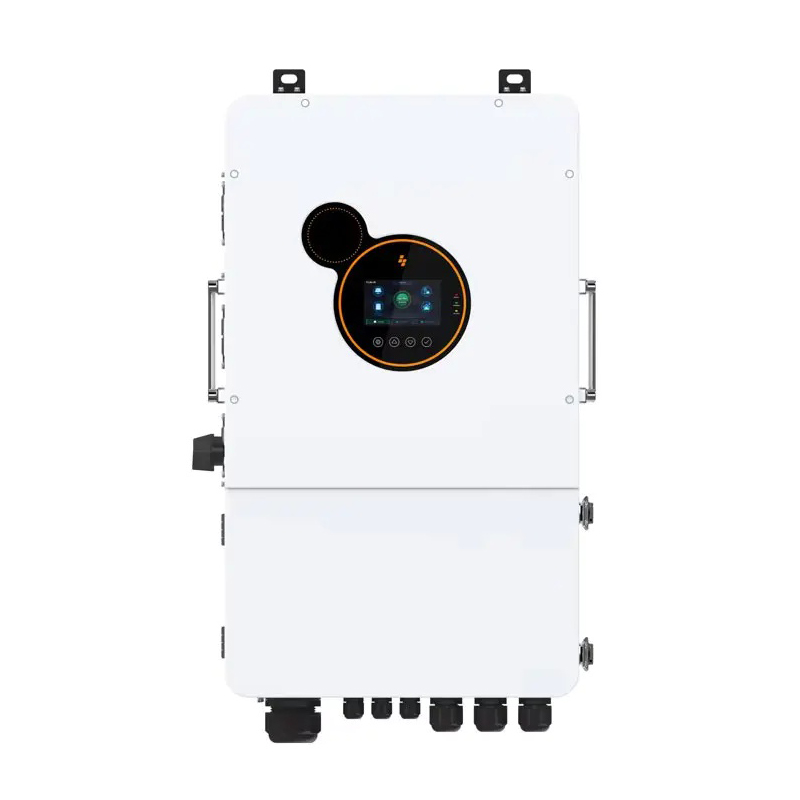
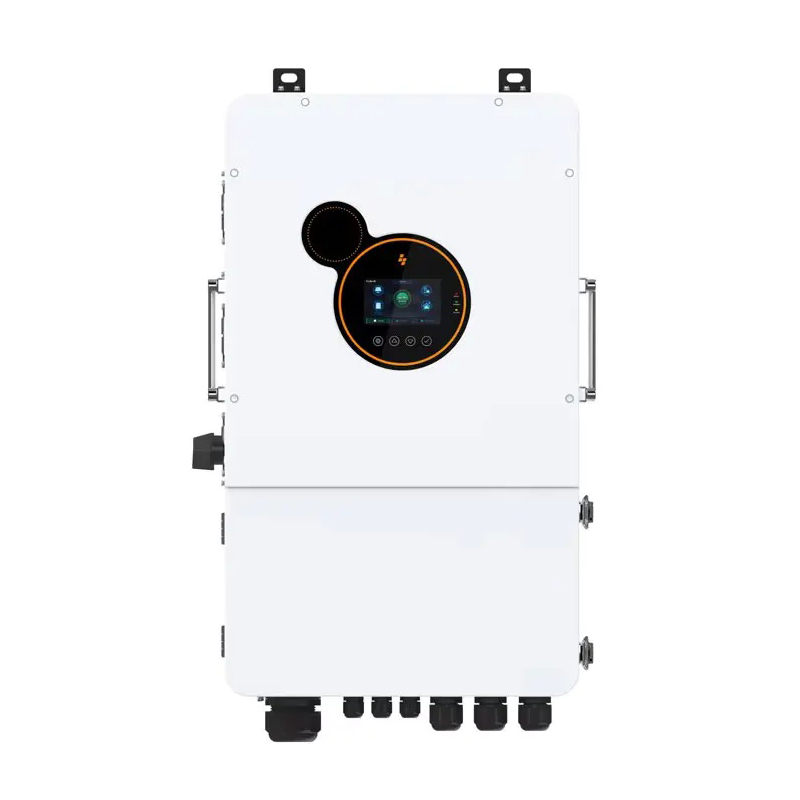
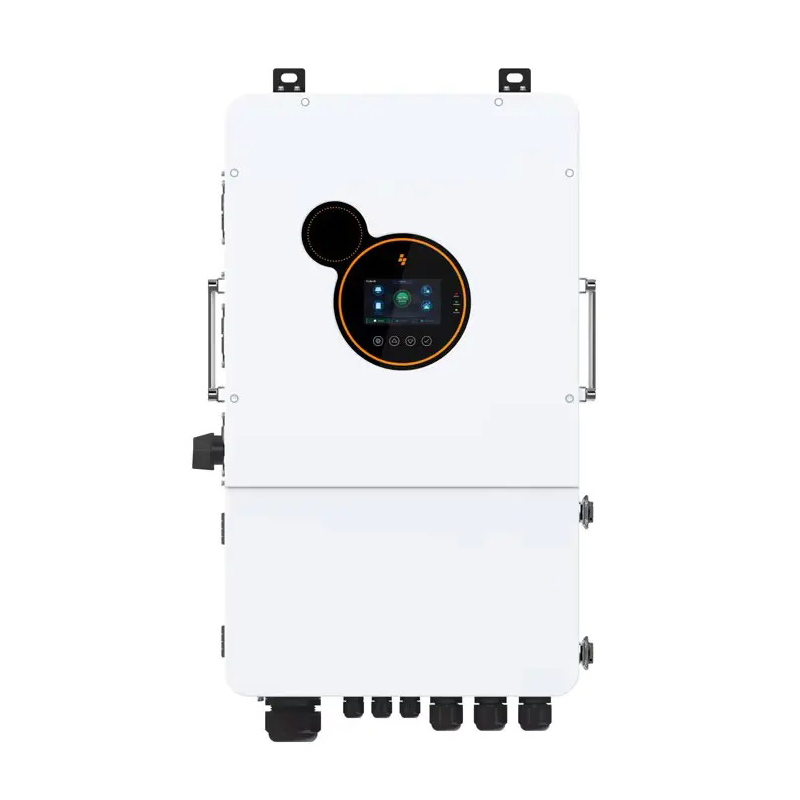
A standard grid-tied inverter moves power in one direction: from your panels to the grid. A Deye hybrid inverter does something more — it sits at the center of three energy sources at once, deciding moment by moment where power should go and where it should come from.
During the day, solar generation can power your home directly, charge the battery, or export surplus to the grid, often all at the same time in different proportions. In the evening, the system can draw from the battery instead of the grid, or top up from the grid during low-rate hours if that makes more sense for your setup.
This constant, automatic balancing is what separates a hybrid system from a simple solar installation — it turns a passive array into an active part of how your home or business uses electricity.
Multiple Work Modes, One Inverter: Self-Consumption, Backup and Time-of-Use
Different households have different priorities, and a hybrid inverter is designed to be configured around yours rather than the other way around. Self-consumption mode keeps as much solar power in the home as possible, charging the battery with any surplus before exporting anything to the grid.
Time-of-use mode shifts the timing of charging and discharging to match electricity pricing — charging the battery when grid rates are low, and drawing from it when rates are high. Backup mode keeps a reserve of battery capacity set aside specifically for power outages, even if that means using slightly less stored energy day to day.
Most installations don't use just one mode in isolation — a typical setup might prioritize self-consumption during the week while keeping a backup reserve year-round, with the schedule adjusted seasonally as solar output changes. At SEETEK, this is often the first thing we talk through with customers, since the right mode mix says a lot about which model makes sense.
Understanding the 48V Battery Standard for Home Energy Storage
Residential hybrid inverters are commonly built around what's called a "48V class" battery system, typically operating in a voltage range of roughly 40 to 60V depending on the battery's state of charge. This low-voltage standard has become the default for home energy storage because it works safely and efficiently at the power levels most households need.
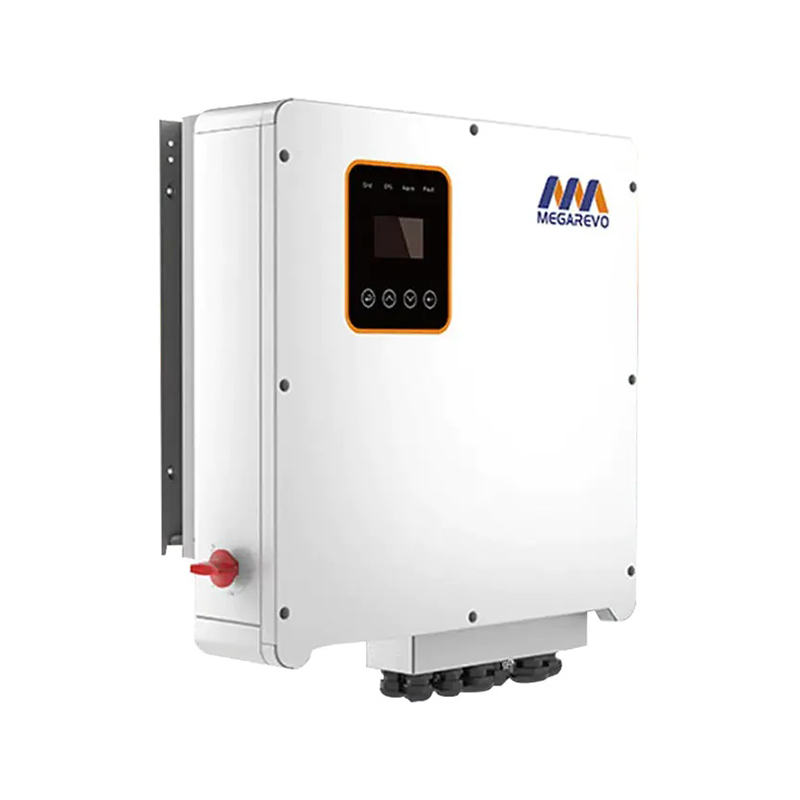
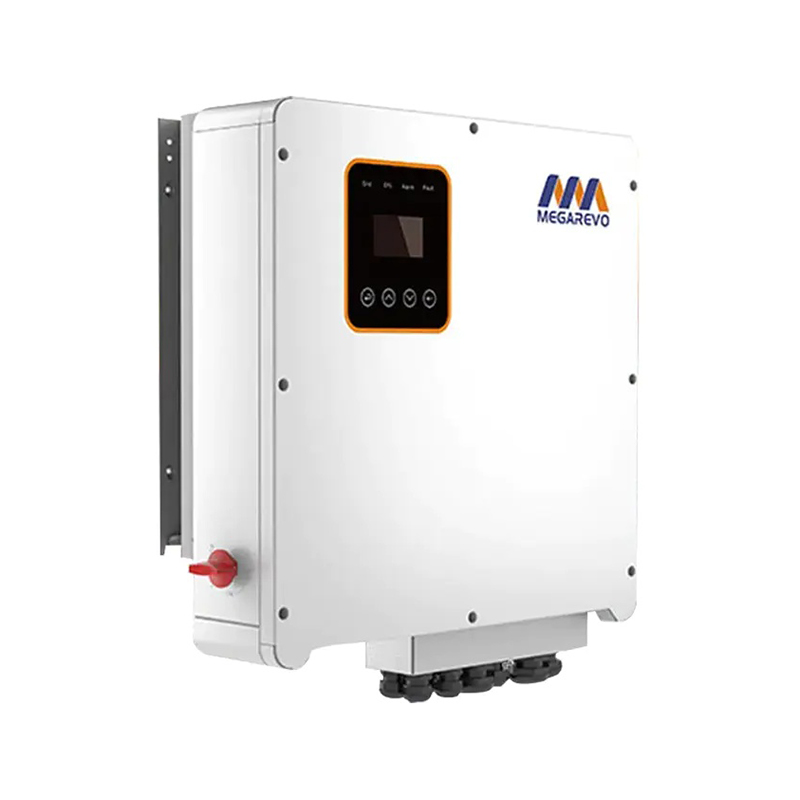
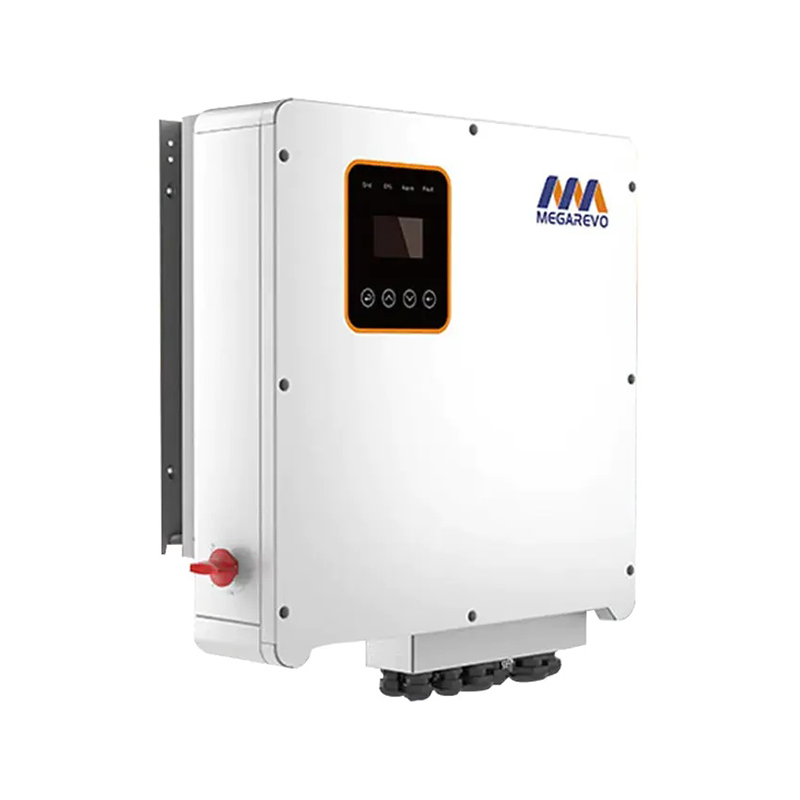
Within this 48V class, hybrid inverters are generally compatible with both lithium-ion and lead-acid battery chemistries, giving you flexibility in choosing a battery brand and technology without needing a different inverter. A Deye three phase low voltage hybrid inverter, for instance, is built around this same 48V range while supporting three-phase output for larger homes or small commercial sites. The key figure to check isn't the battery's nominal voltage alone, but whether its full charge-to-discharge voltage range falls within what the inverter supports.
For larger commercial or industrial systems, high-voltage (HV) battery setups become more common — but for most homes, 48V-class storage remains the practical, well-supported choice. Already have a battery in mind? The SEETEK team can check whether it falls within a given inverter's supported voltage range.
Backup Power Without Leaving the Grid: How Hybrid Systems Handle Outages
One of the most practical benefits of a hybrid inverter is what happens during a grid outage — and how little you need to do about it. When grid power drops, the inverter automatically disconnects from the grid for safety and switches to powering your home from solar and battery instead, typically within milliseconds.
This isn't the same as going off-grid permanently. The rest of the time, the system operates normally — exporting surplus, charging from the grid if needed, and behaving like any other grid-connected setup. The backup capability simply sits in reserve, ready the moment it's needed.
How long that backup power lasts depends on your battery capacity and how much of your home's load is connected to the backup circuit — which is why it's worth thinking through which circuits matter most (lighting, refrigeration, internet) when planning a system. It's a planning step SEETEK can walk through with you alongside the inverter and battery selection itself.
Smarter Energy Use: How Hybrid Inverters Coordinate Solar, Battery and Grid
A standard grid-tied inverter moves power in one direction: from your panels to the grid. A Deye hybrid inverter does something more — it sits at the center of three energy sources at once, deciding moment by moment where power should go and where it should come from.
During the day, solar generation can power your home directly, charge the battery, or export surplus to the grid, often all at the same time in different proportions. In the evening, the system can draw from the battery instead of the grid, or top up from the grid during low-rate hours if that makes more sense for your setup.
This constant, automatic balancing is what separates a hybrid system from a simple solar installation — it turns a passive array into an active part of how your home or business uses electricity.
Multiple Work Modes, One Inverter: Self-Consumption, Backup and Time-of-Use
Different households have different priorities, and a hybrid inverter is designed to be configured around yours rather than the other way around. Self-consumption mode keeps as much solar power in the home as possible, charging the battery with any surplus before exporting anything to the grid.
Time-of-use mode shifts the timing of charging and discharging to match electricity pricing — charging the battery when grid rates are low, and drawing from it when rates are high. Backup mode keeps a reserve of battery capacity set aside specifically for power outages, even if that means using slightly less stored energy day to day.
Most installations don't use just one mode in isolation — a typical setup might prioritize self-consumption during the week while keeping a backup reserve year-round, with the schedule adjusted seasonally as solar output changes. At SEETEK, this is often the first thing we talk through with customers, since the right mode mix says a lot about which model makes sense.
Understanding the 48V Battery Standard for Home Energy Storage
Residential hybrid inverters are commonly built around what's called a "48V class" battery system, typically operating in a voltage range of roughly 40 to 60V depending on the battery's state of charge. This low-voltage standard has become the default for home energy storage because it works safely and efficiently at the power levels most households need.
Within this 48V class, hybrid inverters are generally compatible with both lithium-ion and lead-acid battery chemistries, giving you flexibility in choosing a battery brand and technology without needing a different inverter. A Deye three phase low voltage hybrid inverter, for instance, is built around this same 48V range while supporting three-phase output for larger homes or small commercial sites. The key figure to check isn't the battery's nominal voltage alone, but whether its full charge-to-discharge voltage range falls within what the inverter supports.
For larger commercial or industrial systems, high-voltage (HV) battery setups become more common — but for most homes, 48V-class storage remains the practical, well-supported choice. Already have a battery in mind? The SEETEK team can check whether it falls within a given inverter's supported voltage range.
Backup Power Without Leaving the Grid: How Hybrid Systems Handle Outages
One of the most practical benefits of a hybrid inverter is what happens during a grid outage — and how little you need to do about it. When grid power drops, the inverter automatically disconnects from the grid for safety and switches to powering your home from solar and battery instead, typically within milliseconds.
This isn't the same as going off-grid permanently. The rest of the time, the system operates normally — exporting surplus, charging from the grid if needed, and behaving like any other grid-connected setup. The backup capability simply sits in reserve, ready the moment it's needed.
How long that backup power lasts depends on your battery capacity and how much of your home's load is connected to the backup circuit — which is why it's worth thinking through which circuits matter most (lighting, refrigeration, internet) when planning a system. It's a planning step SEETEK can walk through with you alongside the inverter and battery selection itself.